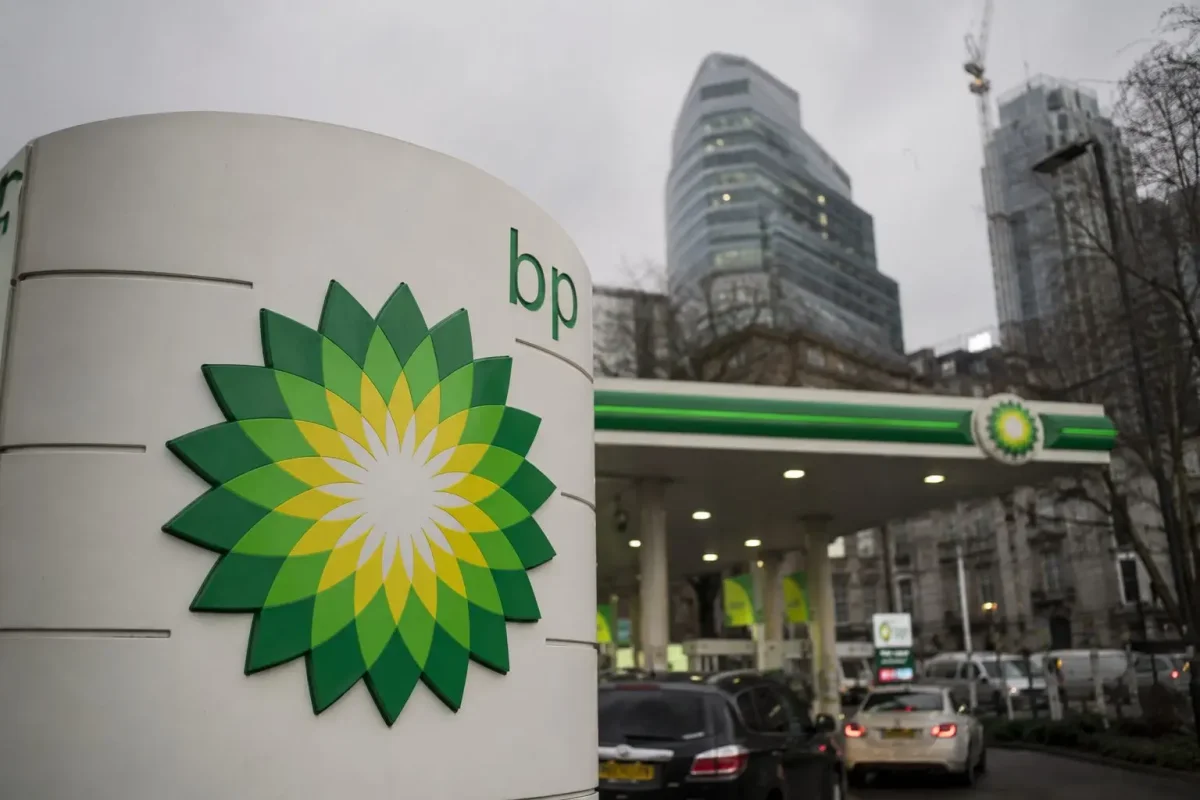
London-listed shares of BP edged lower on Tuesday, slipping 3.2 pence to 548.0p, a decline of 0.6% during late-morning trading. The dip came despite a strong rally in crude oil prices, with Brent crude climbing over 2% to $98.21 a barrel following fresh U.S. airstrikes in southern Iran. The disconnect between oil gains and BP's stock performance highlights lingering investor concerns over the company's balance sheet and strategic direction.
BP opened the session at 543.1p and touched an intraday high of 549.2p, but never surpassed last Friday's close of 551.2p, according to LSEG data. The London Stock Exchange resumed normal operations after the Spring Bank Holiday on Monday, May 25, which had closed markets for a non-trading day. European equities edged lower overall, with the STOXX 600 slipping 0.2% as of 0833 GMT, reflecting a cautious mood among traders.
The oil price surge was driven by geopolitical tensions, as U.S. strikes in Iran dashed earlier hopes for a quick diplomatic resolution. Analysts warned that supply disruptions could persist. Joseph Capurso of Commonwealth Bank of Australia noted that "a lot we don't know" about the situation, while Eric Robertsen of Standard Chartered suggested that supply problems could linger for months. Traders are closely watching for any moves to normalize traffic through the Strait of Hormuz, a critical chokepoint for global energy shipments, as highlighted by Craig Cameron of Franklin Templeton.
BP's stock decline also weighed on its larger London-listed rival, Shell, which slipped 0.3% to 3,195p. The limited upward movement in UK oil majors despite higher crude prices suggests that investors are looking beyond the immediate oil rally and focusing on company-specific fundamentals.
BP's recent financial results have been mixed. Last month, the company reported first-quarter underlying replacement cost profit of $3.2 billion, beating its own analyst forecast of $2.67 billion, bolstered by strong performance from its oil trading business amid volatile markets. CEO Meg O'Neill told Reuters that BP was "controlling what we can control" by boosting production outside the impacted region. However, net debt climbed to $25.3 billion at the end of the first quarter, up from just above $22 billion, prompting the company to pause share buybacks in February to prioritize debt reduction and higher-return oil and gas projects.
O'Neill is actively reshaping BP's portfolio. Earlier this month, Reuters reported that BP is considering selling certain Egyptian natural gas assets to reduce debt and focus on higher-return projects. This follows reports that BP is evaluating a potential exit from some or all of its UK North Sea operations. These moves signal a strategic shift toward streamlining operations and improving financial flexibility.
Analyst sentiment remains cautiously optimistic but with tight margins. Barclays last week maintained its 2026 Brent oil forecast at $100 a barrel, citing upside risks due to tight stockpiles and the closure of the Strait of Hormuz, which normally handles about 20% of global energy supplies. However, the outlook is not one-sided. A swift resolution that reopens the strait could drive oil prices lower, trimming BP's earnings outlook. Conversely, a prolonged conflict might keep crude elevated but risks higher shipping costs, thinner fuel margins, and weaker demand if inflation pressures mount.
On Tuesday, BP shares fell because investors are weighing whether the company can translate higher oil prices into improved cash flow and reduced debt. The market's reaction underscores that in the current environment, a rising tide of oil prices does not lift all boats equally—especially when balance sheet concerns remain front and center.