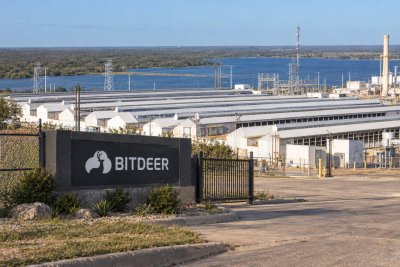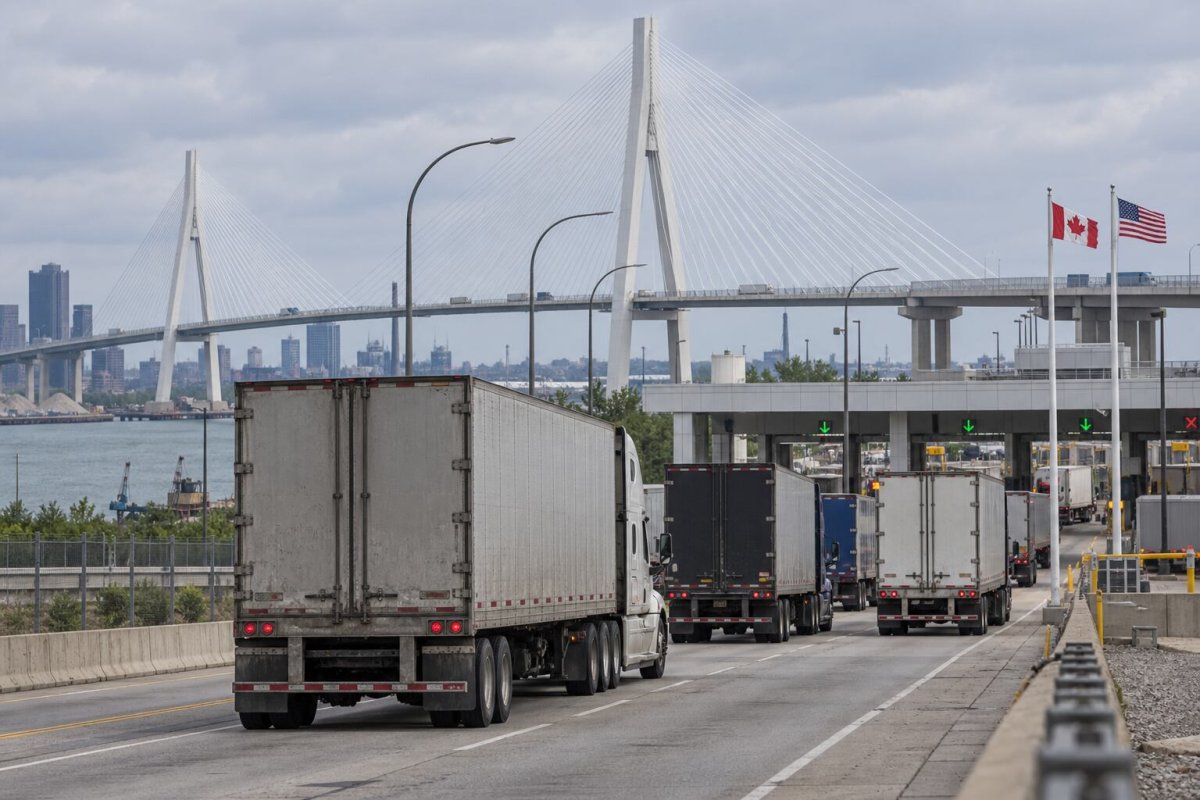
The ongoing trade conflict between the United States and Canada has taken a more severe turn, moving beyond tariffs to outright import bans. This escalation has directly impacted BRP Inc., a Quebec-based powersports manufacturer, whose shares fell 2.22% to C$85.11 on the Toronto Stock Exchange late Wednesday morning. The decline came after Washington announced restrictions on Canadian-origin motorcycles with engines exceeding 800 cubic centimeters, a category that includes BRP's Can-Am Spyder three-wheeled motorcycles built in Valcourt, Quebec.
The new import bans are scheduled to take effect on September 29, following Canada's earlier decision to impose counter-tariffs ranging from 15% to 50% on C$27.6 billion (approximately US$20 billion) worth of American goods starting September 8. The shift from tariffs to bans is significant because it removes market access entirely, rather than merely increasing costs. For companies like BRP, the impact will depend on country-of-origin rules and customs classifications, which will determine the extent of earnings damage.
US Measures Under Section 338
The White House issued five proclamations under Section 338 of the Tariff Act of 1930, targeting certain Canadian alcohol, dairy, and motor-vehicle products. These products will be excluded from the US market starting September 29. Additionally, changes to the existing 50% tariff lists, including the addition of all-terrain vehicles and the removal of items like rock salt and cement, will take effect on September 15.
These measures are notably stringent. Covered products cannot escape the bans by meeting USMCA (US-Mexico-Canada Agreement) origin rules, and the Section 338 duties stack on top of applicable Section 232 tariffs. Moreover, the administration has directed that Canadian-origin products be removed from the General Services Administration's Multiple Award Schedules, which manage more than $50 billion in federal procurement.
Canada's Response
Canada's retaliation remains tariff-based but is broad in scope. Ottawa's official announcement covers steel, dairy, appliances, agricultural equipment, pulp and paper, electronics, and other goods. The government has also allocated C$7.5 billion in support for workers, liquidity, and diversification, aiming to cushion companies while encouraging supply chains outside the US.
BRP as the Market's First Test
The motor-vehicle annex is remarkably specific: HTSUS 8711.50.00 covers motorcycles and similar cycles with internal-combustion engines above 800 cc. BRP markets its Can-Am Spyder as a three-wheel motorcycle with a 1,330 cc Rotax engine, and its manufacturing disclosure places Spyder and Canyon production in Valcourt, Quebec. This combination appears to put at least part of the Canadian-built three-wheel lineup directly in the targeted class, subject to final Customs and Border Protection guidance.
However, BRP is not a Canada-only manufacturer. Its annual information form indicates that electric Can-Am motorcycles are made in Mexico, and other powersports products come from plants in Mexico, Finland, Austria, the United States, and Vietnam. Therefore, the share-price impact depends on the profit attached to affected Canadian-origin models, not total US revenue.
BRP's 2.2% decline was substantially worse than the S&P/TSX Composite's 0.40% loss. That relative move is consistent with direct product exposure, but it does not confirm that the market has fully calculated the final cost. Investors still need the annex classifications, shipment mix, dealer inventory, and any rerouting plans before converting the headline into an earnings estimate.
Other Companies Affected
Diageo offers the clearest large-cap alcohol read-through. Its US-listed shares were down 0.65% at $86.57. Crown Royal is distilled and aged in Canada, but Diageo had already shifted some bottling volume closer to US customers, making the treatment of Canadian origin more important than the location of final bottling.
Saputo shares fell 0.72% in Toronto, while Bombardier and CAE were roughly flat. These moves show that investors should not trade every Canadian company as if it has the same exposure. Dairy restrictions apply to specified products, and the GSA action concerns product eligibility on procurement schedules; the White House announcement does not say existing contracts are automatically canceled.
Market Reactions and Key Dates
The Canadian dollar weakened 0.15%, taking USD/CAD to 1.3805. That is a contained reaction rather than a currency break, especially on a day when $101 oil and the Middle East conflict were moving global markets. A push through Wednesday's 1.3821 high would signal that trade risk is becoming more important to the currency; a retreat below 1.3762 would suggest the shock remains company-specific.
September 15 is the first operational deadline, when the revised 50% product lists take effect. September 29 is the larger test, when the import bans begin. Before then, the most important disclosures will come from companies identifying which stock-keeping units carry Canadian origin, how much US inventory dealers already hold, and whether production can move without sacrificing margin.
A negotiated pause would quickly unwind part of BRP's relative decline. If no deal arrives, the shift from a tax to a prohibition is the precedent markets will remember: it raises the risk that future tariff disputes can close a market entirely, even for goods that qualify under the North American trade agreement.
Share, index, and currency levels are delayed Yahoo Finance snapshots at approximately 11:43 a.m. EDT on September 9, 2026; they can change rapidly.