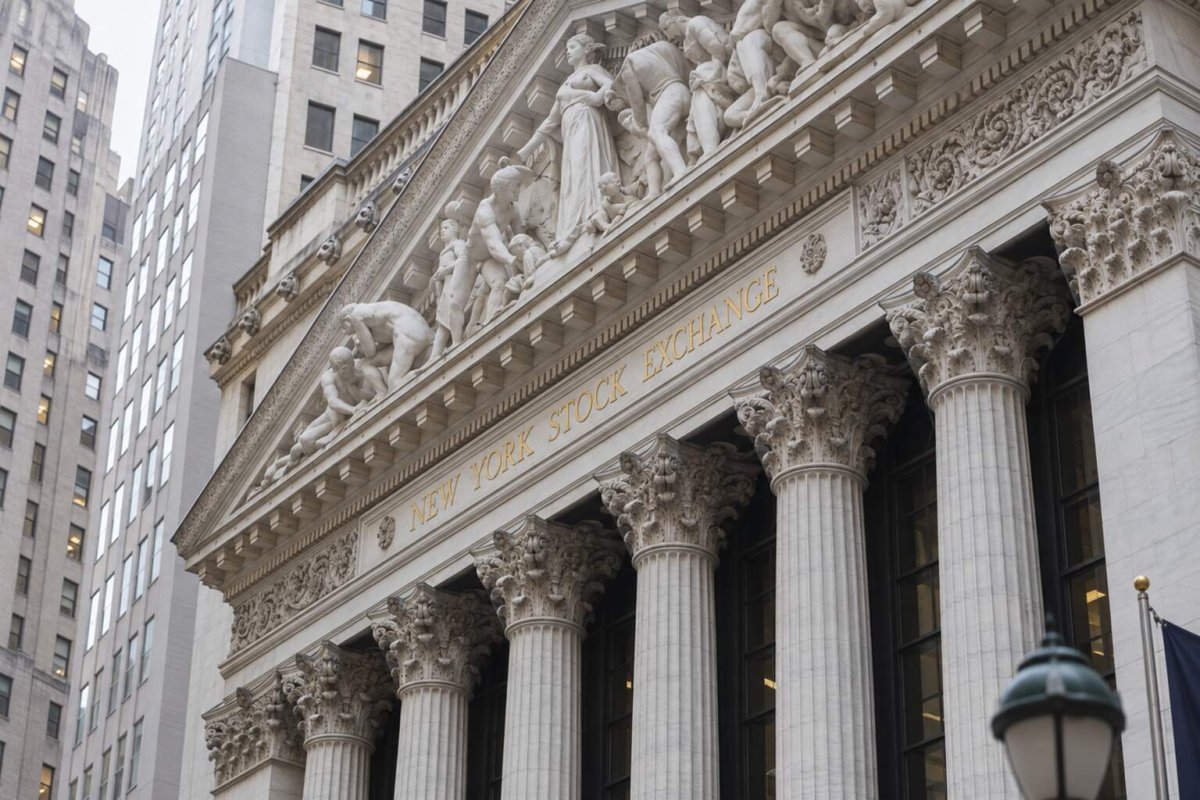
U.S. equities faced a broad decline on Wednesday as Brent crude oil surged past the $100 mark, triggering a selloff in economically sensitive sectors. The S&P 500 slipped 0.53% to 7,632.87 by mid-morning, while the Dow Jones Industrial Average suffered a steeper drop of 0.81%, or 426 points, to 52,359.80. The divergence between the two major indices offers a clear signal: this is an oil-and-inflation shock hitting cyclical stocks, not yet a panic-driven flight from all risk assets.
Energy shares, in contrast, were among the few gainers. The Energy Select Sector SPDR Fund (XLE) rose 0.58% as Brent crude climbed 3.42% to $101.27 a barrel, after settling at $97.92 on Tuesday. The spike was fueled by escalating U.S.-Iran tensions, with reports of U.S. destruction of five Iranian tankers and continued constraints on shipping through the Strait of Hormuz. Attacks on Saudi facilities also threatened the Red Sea route, adding further supply risk.
The impact extends well beyond the oil patch. A sustained move above $100 raises fuel and freight costs, squeezes consumer purchasing power, and complicates the Federal Reserve's fight against inflation. The 10-year Treasury yield ticked up 2.7 basis points to 4.833%, reflecting investors' demand for higher compensation for future inflation. However, the dollar index remained nearly flat at 98.794, suggesting that this is a repricing of margins and rates rather than a broad liquidity scare.
The sector rotation explains much of the Dow's underperformance. While energy gained, the Industrial Select Sector SPDR Fund (XLI) fell 1.13%, the Consumer Discretionary Select Sector SPDR Fund (XLY) lost 1.33%, and utilities dropped 1.10%. Higher oil prices directly benefit producers but act as a cost increase for transport, manufacturing, retail, and households. The Dow's price-weighted construction also amplifies moves in higher-priced components, making its headline decline less representative of the broader market.
Meta Platforms (META) provided a notable cushion for the S&P 500 and Nasdaq Composite, jumping 7.16% to $657.40. Because Meta is not a Dow component, the 30-stock average received none of that support. The Nasdaq Composite fell 0.73%, between the Dow and the S&P 500. Still, the selloff was widespread, with nearly every major sector lower and the Cboe Volatility Index (VIX) rising 2.48% to 16.11—a level signaling unease, not panic.
Looking ahead, the key test is whether Brent can hold above $100. A restoration of shipping capacity or a diplomatic resolution would remove the market's newest inflation premium. Conversely, continued disruption around Hormuz and the Red Sea would force analysts to reassess transport costs, discretionary spending, and interest-rate expectations for 2027.
This week's inflation data will provide the next scheduled catalyst. The Bureau of Labor Statistics releases August producer prices on Thursday and the consumer-price index on Friday, both at 8:30 a.m. EDT. July CPI rose 3.4% year-over-year, with core inflation at 2.5%. Since the latest oil spike occurred in September, the upcoming reports largely predate it. The immediate question is whether the starting inflation trend gives the Fed room to absorb another energy shock.
For Wednesday's session, three indicators separate an ordinary pullback from a more durable trend change: Brent's ability to stay above $100, the 10-year yield's behavior near 4.83%, and market breadth after the opening decline. If oil retreats and the VIX stays in the mid-teens, the S&P 500's 0.5% loss is manageable. If crude, yields, and volatility rise together while industrials continue to lag, the Dow's deeper drop is the more consequential signal.