Alphabet's decision to invest at least €13 billion (approximately $15.1 billion) in Finnish data centers and related infrastructure over 2027-2028 marks its largest single European commitment to date. The announcement, made on September 9, covers facilities in Hamina, Kajaani, Muhos, and Vaala, but the spending will be spread across two years, with no breakdown provided on how much will be classified as capital expenditure, operating expenses, or partner-funded infrastructure.
For shareholders of Google's parent company (NASDAQ: GOOGL, GOOG), this move underscores the central tension in the AI era: while demand for cloud and AI services is booming, the upfront costs of building data centers—and the subsequent depreciation—weigh heavily on cash flows. In the second quarter, Alphabet's revenue surged 24% to $119.8 billion, with Google Cloud revenue skyrocketing 82% to $24.8 billion and operating margins expanding to 34%. However, the company also reported negative free cash flow of approximately $5.9 billion, as capital expenditures of $44.9 billion outpaced operating cash flow of $39.1 billion.
Over the trailing four quarters, Alphabet generated $185.7 billion in operating cash flow, spent $132.4 billion on capital expenditures, and produced $53.3 billion in free cash flow. These figures, from the company's SEC filing, highlight the growing gap between revenue growth and cash generation—a key concern for investors.
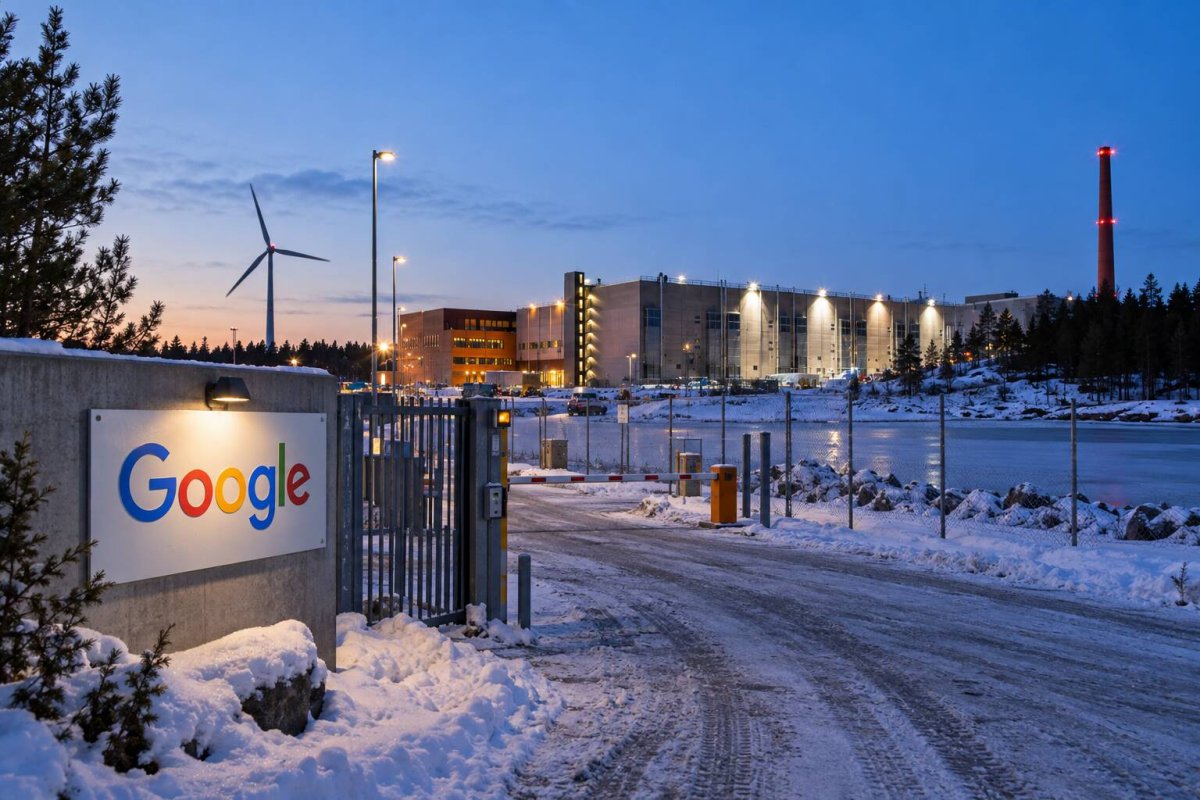
The Finland project is not just about scale; it's about strategic positioning. Google's Hamina campus, a converted paper mill, uses seawater cooling and a heat-recovery system that could supply up to 80% of the town's district heating needs. More critically, the company has secured long-term power agreements, including a 22-year PPA with Fortum for up to half of the Loviisa nuclear plant's output, starting in 2028. A 94-megawatt battery near Kajaani is also planned, expected online in late 2025. These moves reduce the risk of power shortages, a common bottleneck for data center expansion.
Alphabet's financial cushion is substantial. In Q2, the company raised $49.6 billion through equity and mandatory convertible preferred stock, plus $20.3 billion in senior notes, earmarked for AI infrastructure. This funding capacity makes a liquidity crunch unlikely, but it comes with costs: potential dilution from equity and convertibles, interest expenses on debt, and future depreciation from new facilities.
The market's reaction was muted. Alphabet Class A shares fell 2.6% to $329.55 on Wednesday, but that decline was part of a broader risk-off session driven by rising oil prices, not a direct verdict on the Finland announcement.
Investors should focus on quarterly capital expenditure, free cash flow, and Google Cloud margins. If utilization rates rise quickly enough to offset depreciation, Finland will appear as disciplined capacity planning. Conversely, if capital spending continues to outpace cash generation and Cloud growth normalizes, the AI investment thesis may need re-evaluation.
Google projects the construction will add an average €3.6 billion annually to Finland's GDP and support over 37,000 jobs, but these are company-commissioned estimates, not earnings projections. The real test lies in whether Alphabet can convert this massive investment into sustainable, high-margin cloud revenue.
With AI demand showing no signs of slowing, the €13 billion commitment raises the stakes. Alphabet has paired a strong demand signal with long-term energy contracts and a phased build-out. The burden now shifts from announcing capacity to earning an adequate return on it.