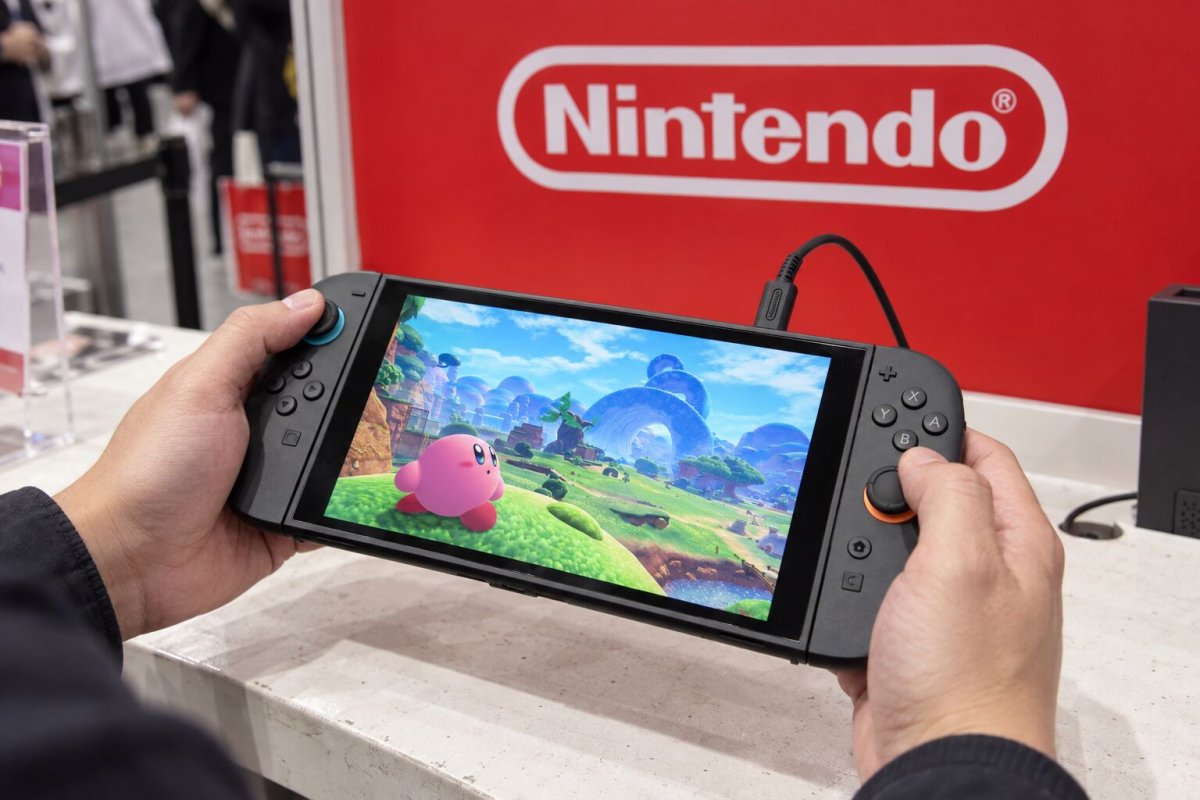
Nintendo’s latest Direct presentation on September 9 delivered a substantial expansion of the Switch 2 library, featuring a new Metroid title, a 3D Kirby adventure, Monster Hunter Wilds, two Persona games, and additional Mario Kart World content. However, the announcement did not trigger an immediate stock rally, as shares had already declined 4% before the broadcast.
The Tokyo-listed stock closed at ¥8,401 on September 9, down 3.99% from ¥8,750, at 3:30 p.m. JST—seven and a half hours prior to the 11 p.m. JST Direct. This timing means the September 10 trading session will be the first opportunity for investors to react to the announcements, making the next move a clearer test of market sentiment.
Breadth of the New Lineup
The Direct highlighted four major announcements: Monster Hunter Wilds with a new “Massive Expansion,” a Switch 2 edition of Pikmin 4, Metroid Ravenous, and Kirby and the World Beyond, with Kirby’s 3D adventure slated for next spring. The presentation also brought the Final Fantasy VII remake series, Hyrule Warriors: Age of Calamity – Definitive Edition, and two Persona titles to Switch 2, alongside a free Mario Kart World update featuring new routes and classic courses.
This mix is strategically important. Metroid and Kirby are Nintendo-owned franchises that drive first-party sales, while Monster Hunter, Persona, Resident Evil, and Final Fantasy bolster third-party credibility. Updates for Mario Kart World and Pikmin 4 provide reasons for existing owners to re-engage without needing new hardware. The inclusion of Switch 2 editions, free updates, and ports broadens the appeal, though not all items carry equal profit potential.
Software Sales Target Remains the Key Metric
Nintendo’s fiscal first-quarter results, released August 6, showed 3.82 million Switch 2 consoles and 9.46 million software units sold in the April–June period. Lifetime sales reached 23.68 million consoles and 58.17 million software units as of June 30. The company maintained its full-year forecast of 16.5 million consoles and 60 million software units, excluding bundled titles.
However, the reported first-quarter software figure includes approximately 350,000 bundled units. Excluding those, comparable software sales were about 9.11 million units, representing only 15.2% of the annual target after one quarter. While holiday seasonality makes a straight-line 25% test unrealistic, the gap underscores why the September lineup reveal was critical.
Financially, Nintendo’s net sales fell 9.5% to ¥517.8 billion in Q1, yet operating profit surged 150.5% to ¥142.5 billion, with an operating margin of 27.5%. The company still projects ¥370 billion in operating profit for the year, up 2.7%. A strong software slate can support margins more efficiently than hardware volume alone.
Market Implications and Investor Focus
A bullish reaction on September 10 could signal that the market views the Direct as closing the software-gap risk: new first-party titles, stronger third-party support, and compelling reasons for the 23.68 million existing Switch 2 owners to spend again. Conversely, a lackluster response—or another decline—would suggest investors need proof of sell-through, not just announcements.
The bear case is straightforward: several headline items are updates, remasters, or ports; Kirby’s biggest new adventure isn’t due until spring; and release announcements don’t guarantee attach rates. Additionally, Nintendo expects about ¥100 billion in pressure from higher component costs, especially memory, in the current fiscal year. A broader library protects the platform but doesn’t automatically protect margins.
Investors should watch two numbers at the next earnings update: Switch 2 software units excluding bundles and hardware sell-through into the holiday quarter. If paid software accelerates faster than the installed base, the Direct achieved its goal. If console shipments hold up but software attachment remains soft, the new slate may be seen as promise deferred rather than a catalyst delivered.
