Callaway Golf (NYSE: CALY) experienced a 1.3% decline in its stock price on Thursday, as major retailers removed Good Good branded products from their shelves in response to backlash over a recent driver advertisement. The drop brought shares to $15.54 by 10:54 a.m. EDT, erasing approximately $38 million from the company's market capitalization.
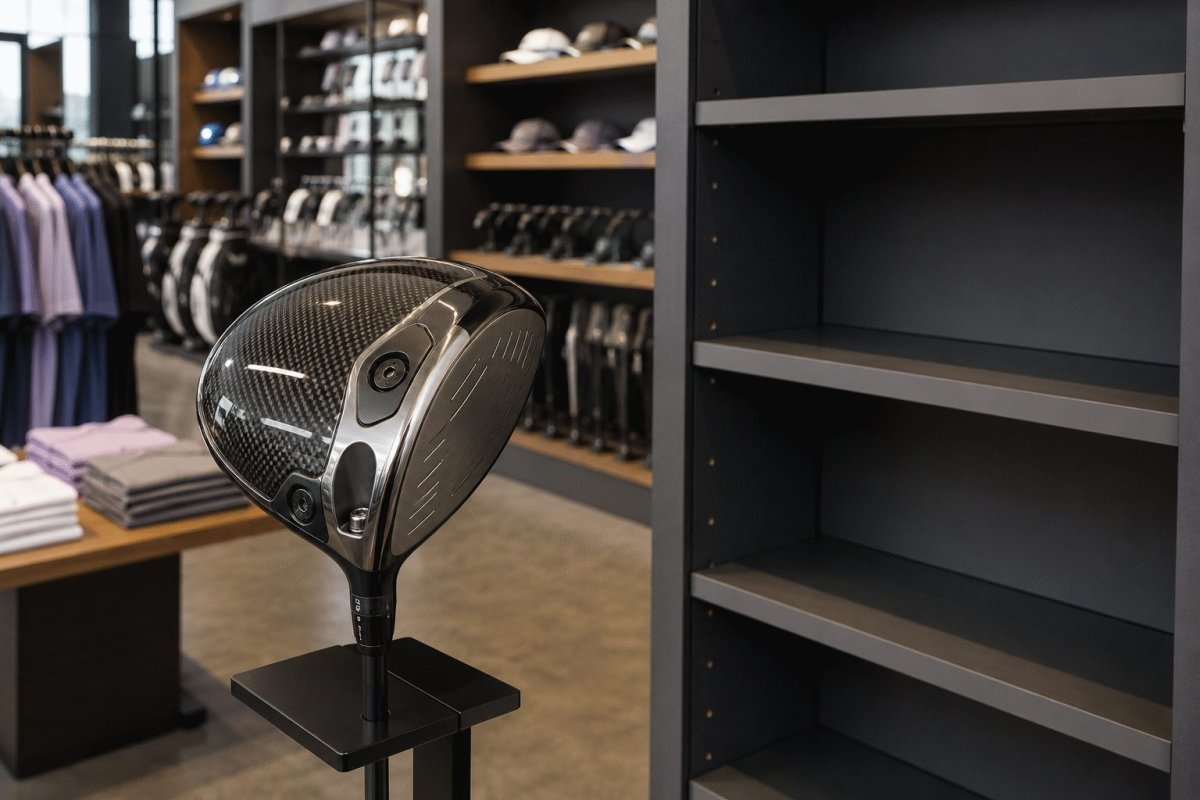
According to reports released Wednesday night, Dick's Sporting Goods, Golf Galaxy, and PGA Tour Superstore have all pulled Good Good items from their inventory. This retail response signals that the controversy has moved beyond social media criticism into tangible distribution challenges for the company.
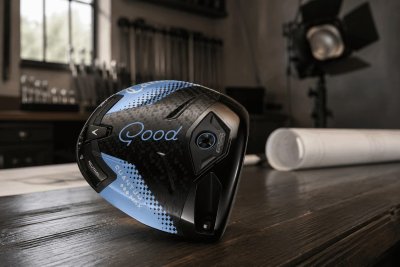
The contested advertisement featured a special edition Callaway Quantum driver, part of a joint promotion with Good Good. CEO Chip Brewer confirmed that Callaway had approved the ad prior to publication. Following the incident, the company removed the co-branded product listings and initiated both internal and external reviews.
The partnership involved two premium drivers—the Quantum Max priced at $649.99 and the Triple Diamond Max at $699.99—along with golf balls. Both product listings have since been taken down from Callaway's website and retail partners.
Financial Impact and Market Context
Despite the negative sentiment, Callaway's underlying business remains solid. In the second quarter, the company reported net sales of $612.2 million, a 2.0% increase year-over-year. Adjusted EBITDA surged 35.8% to $124.9 million, reflecting improved operational efficiency and a favorable product mix.
Golf equipment, which accounts for 70% of total sales, generated $430.3 million in revenue during the quarter, up 4.5% from the prior year. Operating income from this segment jumped 31.6% to $100.3 million, with operating margins expanding to 23.3%, a 480 basis point improvement. These figures underscore the profitability of Callaway's core business, even as the Good Good controversy introduces near-term uncertainty.
Management Outlook and Analyst Sentiment
Earlier this month, management raised its full-year adjusted EBITDA guidance to a range of $246 million to $260 million, with projected net sales between $2.045 billion and $2.070 billion. The updated forecast reflects confidence in the company's growth trajectory despite potential headwinds from the retail pullback.
Analysts remain cautiously optimistic. The average price target among ten covering analysts is $20.50, representing nearly 32% upside from the current price. Targets range from $19 to $23, with five Buy ratings, five Hold ratings, and one Sell. This suggests that most analysts view the recent dip as a temporary setback rather than a fundamental deterioration.
Key Risks and Future Outlook
The immediate risk is whether retailers will restock Good Good products. An extended suspension could hamper collaboration sales and limit Callaway's reach to younger golfers, a key demographic for the brand. Conversely, a swift reinstatement would likely minimize the financial impact.
However, several uncertainties remain. Retail disclosures have not specified the inventory value or revenue contribution from Good Good items. The 1.3% share decline may also be partly attributed to broader market movements. Additionally, Callaway could choose to terminate or alter the collaboration without significant damage to its overall outlook.
As of late morning trading, shares ranged between $15.46 and $15.81 on volume near 316,000 shares, showing no signs of panic selling. The company's robust Q2 performance and raised guidance provide a buffer against the negative publicity, but investors will be watching closely to see how the situation evolves.