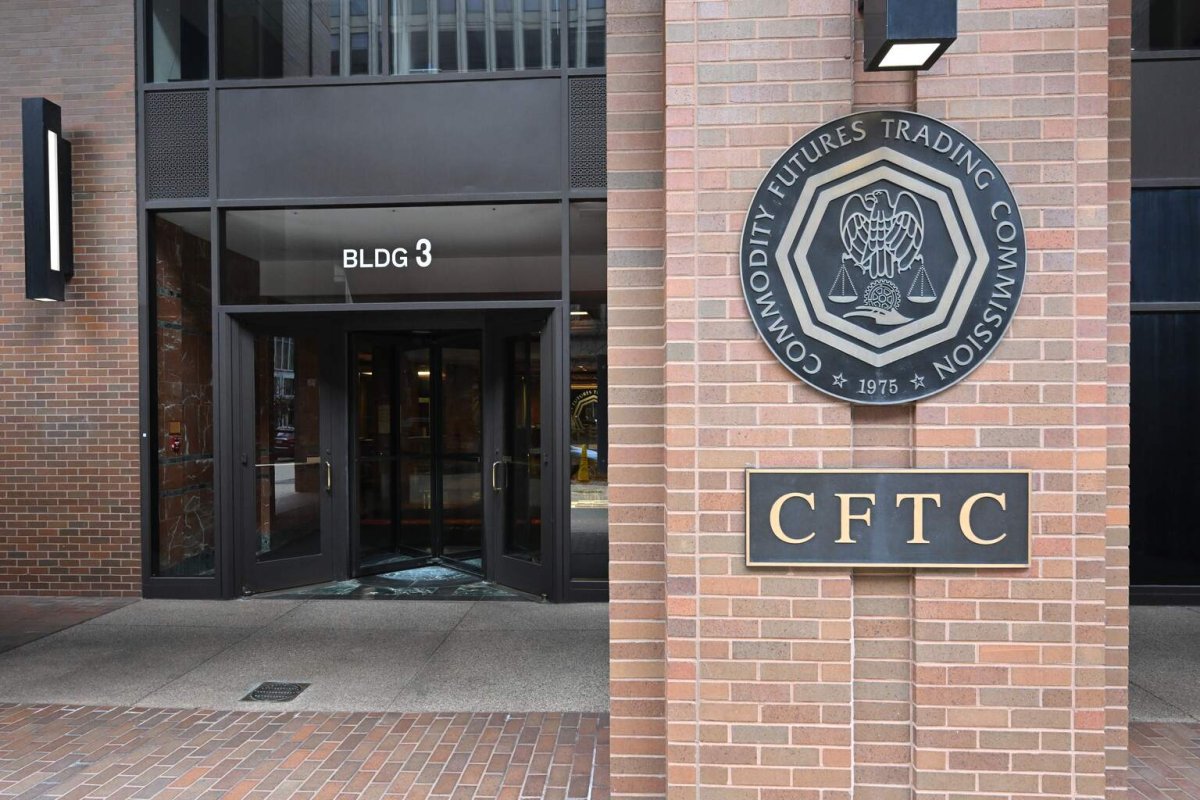
The Commodity Futures Trading Commission (CFTC) has taken a significant step toward integrating digital asset platforms into the regulated derivatives ecosystem. On September 17, the agency's Market Participants Division issued Staff Letter 26-25, which extends a conditional pathway for crypto wallets and other trading applications to offer futures and event contracts without needing to register as introducing brokers. This move builds on a prior no-action relief granted to the Phantom wallet earlier this year and opens the door for a broader range of software providers to participate in regulated markets.
The new guidance applies to any qualifying 'passive software provider,' a category that is not limited to crypto-related software. The core change is in distribution: a wallet or app can now integrate an interface that allows users to view market data and submit orders for CFTC-regulated derivatives, including event contracts and perpetual futures. These platforms can market specific contracts, introduce users to registered trading venues, and earn revenue through fee-sharing arrangements or transaction-based charges.
Prior to this letter, other developers could not rely on the Phantom decision because CFTC no-action letters typically protect only the named beneficiary. Staff Letter 26-25 generalizes that relief, making the same basic position available to all qualifying providers. This is a marked shift in regulatory clarity, potentially lowering barriers for fintech companies seeking to offer derivatives products without the heavy compliance burden of full broker registration.
The term 'passive' is central to the exemption. To qualify, orders must flow directly to a designated contract market (DCM), futures commission merchant (FCM), or registered introducing broker. Customer collateral must be held by a clearing organization or futures merchant, and the software provider cannot hold client assets, generate explicit buy or sell signals, or control order routing and execution. These conditions are designed to ensure that the software provider remains a neutral conduit, not an active participant in trading decisions.
However, the conditions also introduce meaningful compliance costs. Providers must deliver conflict-of-interest and risk disclosures to users, adhere to public communications standards as if they were registered brokers, maintain regulatory records, and notify the CFTC of any insolvency. Additionally, each provider and its market partners must accept joint and several liability for violations related to the covered activity. This shared responsibility could be a significant consideration for companies weighing the benefits of entering the derivatives space.
The commercial appeal is clear. A regulated derivatives exchange gains access to a wallet or app's existing user base, while the app can add a new revenue stream without building a full broker-dealer infrastructure. Phantom's original case involved event contracts, perpetuals, and other regulated derivatives within a self-custodial wallet interface, setting a precedent that the CFTC is now extending more broadly.
Market reaction has been cautious but positive. In Thursday's session, Coinbase (COIN) and Robinhood (HOOD) shares rose 5.75% and 5.16%, respectively, though those gains coincided with separate SEC actions on tokenized stocks, making it difficult to attribute the moves solely to the CFTC letter. Bitcoin traded at $77,742 and Ether at $2,488 at 8:14 UTC Friday, up 1.82% and 1.74% from the prior close, reflecting a firmer crypto tape rather than a direct response to regulatory news.
The durability of this relief is a key concern. Staff Letter 26-25 explicitly states that it represents only the division's view, does not bind the full Commission, and may be modified, suspended, or withdrawn. It remains in effect until a rule or guidance addresses broker-registration requirements for software providers. The letter also does not authorize unregistered exchanges, settle the classification of any crypto asset as a commodity or security, or resolve state-level disputes over prediction markets.
Investors should watch for concrete distribution agreements between wallet providers and registered CFTC venues. The decisive factors will be user conversion rates, fee-sharing economics, customer acquisition costs, and how joint liability is managed. Until such agreements materialize, the letter lowers a regulatory barrier but does not guarantee trading volume. As the landscape evolves, market participants will need to navigate both the opportunities and the inherent uncertainties of this new pathway.