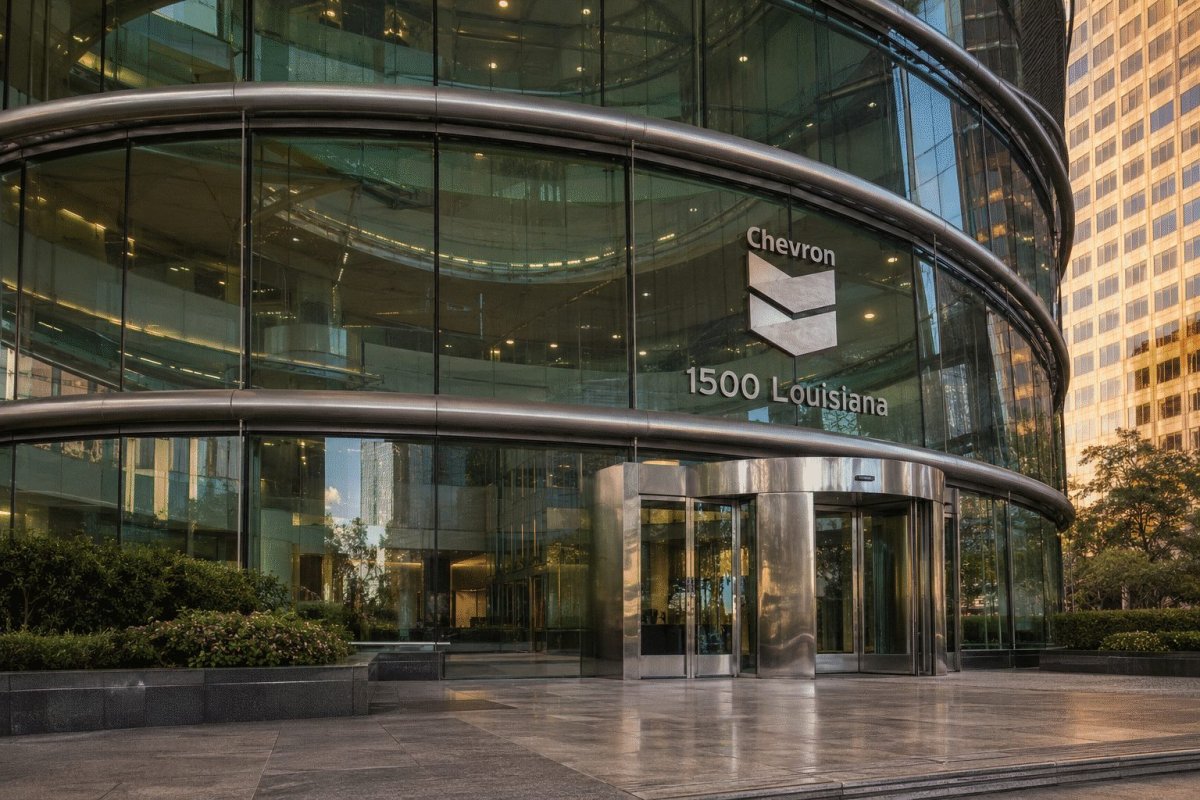
U.S. equity markets opened with active trading on Friday, and energy stocks led the charge. Chevron Corporation (NYSE: CVX) saw its shares climb 1.7% to $201.08, adding roughly $6.7 billion to its market capitalization. The move came as traders weighed a reduced Atlantic storm threat against fresh geopolitical tensions affecting crude supply.
The National Hurricane Center (NHC) downgraded the likelihood of development for AL92, the closest disturbance to the Gulf of Mexico, to just 20% over both the next 48 hours and the following week. That eased immediate concerns about potential production disruptions in the region. Meanwhile, oil prices advanced on worries about Iranian supply after a U.S. warning of an indefinite blockade, rather than any storm-related risk.
Oil Prices Strengthen
Brent crude rose $1.43 to $88.50 per barrel, while West Texas Intermediate (WTI) gained $1.56 to $82.81, according to Reuters. The rally was attributed to the U.S. stance on Iran, though a significant build in U.S. inventories was also noted. The energy sector broadly benefited, with peers Exxon Mobil (NYSE: XOM) up 1.58% and ConocoPhillips (NYSE: COP) advancing 2.26%.
Atlantic Disturbance Outlook
As of 8:00 a.m. EDT, the NHC reported that AL92, located roughly 400 miles east of the Windward Islands, had a 20% chance of formation in both the 48-hour and seven-day windows. AL94, more than 1,000 miles west of Cabo Verde, carried a 30% chance in the near term and 50% over the week. Neither system showed tracks toward the Gulf, and no warnings or production halts were issued. Tropical Storm Cristobal had weakened west of the Azores, posing no coastal threat.
This stands in contrast to earlier in the season, when Chevron shut down its Petronius platform and evacuated staff ahead of a July storm. Friday's outlook prompted no such measures.
Chevron's Gulf Exposure
Chevron's Gulf of Mexico operations are significant. The company targets 300,000 net barrels of oil equivalent per day from the region by 2026, representing roughly 14.4% of its U.S. upstream output. Chevron holds stakes in nine Gulf installations and several tiebacks, making it a key player in the region. In the second quarter, Chevron's U.S. output reached 2.077 million barrels of oil equivalent per day, its highest quarterly total, and the company reduced debt by a record $8.4 billion.
Bruce Niemeyer, president of Chevron's Americas production, highlighted the company's momentum: "Production from Whale brings Chevron another step closer to reaching 300,000 net barrels of oil equivalent per day."
Analyst Sentiment and Dividend
Wall Street's consensus on Chevron remains cautiously optimistic. Of 26 analysts, 19 rate it a buy, six hold, and one sell, with an average price target of $206.04, implying just 2.5% upside from Friday's level. The stock is set to go ex-dividend on August 19, with a quarterly payout of $1.78, yielding 3.5% at the current price. That income support may be more relevant in the near term than any tropical system.
Market Outlook
The primary risk to the current calm would be if AL94 intensifies or shifts westward, potentially threatening the Gulf later in the season. Additionally, oil prices could retreat if Iran tensions ease or if U.S. inventory builds pressure sentiment. For now, Chevron's share price is tracking crude oil trends, while the confirmed hurricane risk remains remote and unlikely to disrupt operations.