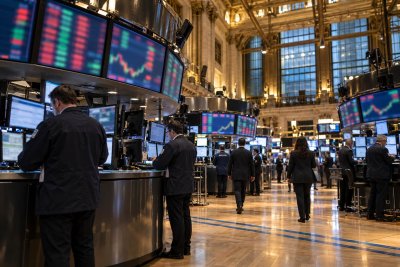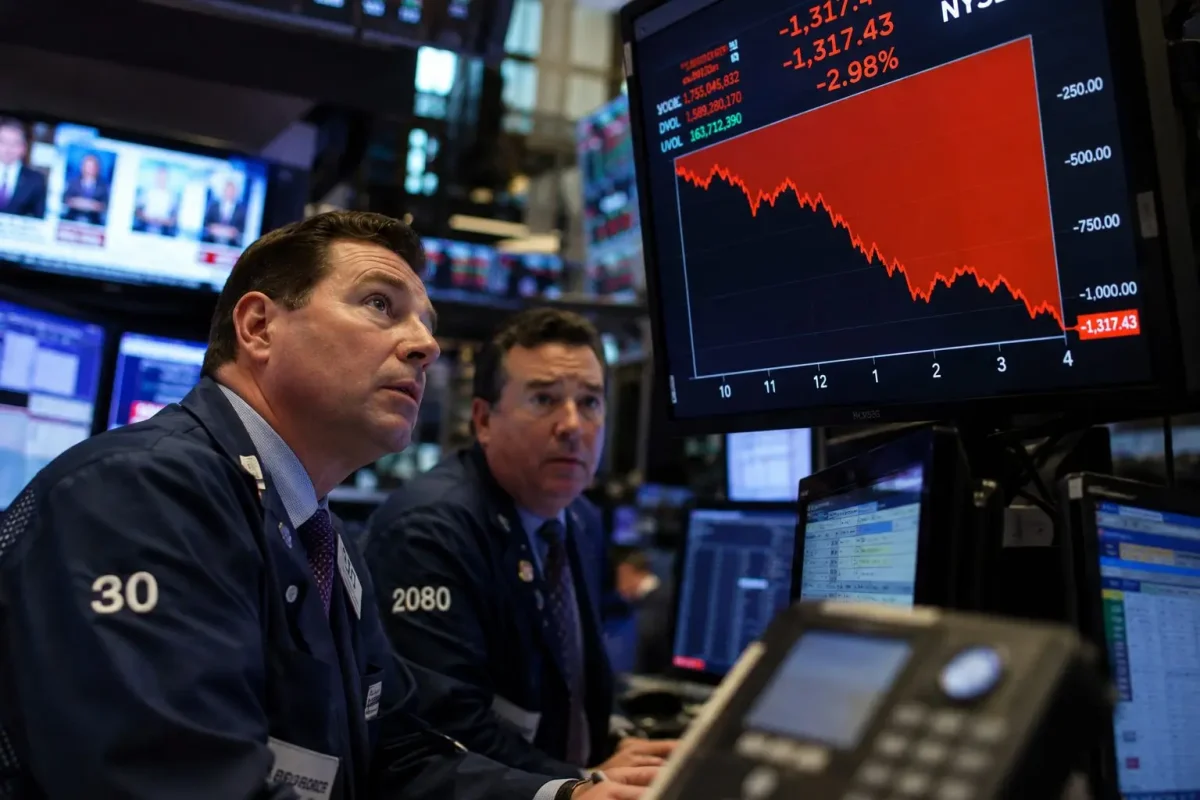
U.S. equities suffered a severe blow on Friday, as a robust jobs report extinguished lingering hopes for a more accommodative Federal Reserve. The selloff was concentrated in the semiconductor sector, which lost approximately $1.3 trillion in market value, dragging the broader market lower. The PHLX Semiconductor Index plummeted 10.3%, its worst single-day decline since March 2020. The S&P 500 fell 2.64%, while the tech-heavy Nasdaq Composite tumbled 4.18%. The Dow Jones Industrial Average also slipped, losing 1.35%.
The catalyst was the Labor Department's report showing nonfarm payrolls increased by 172,000 in May, with the unemployment rate holding steady at 4.3%. Upward revisions added 93,000 jobs to March and April totals, indicating a labor market that is tighter than many had anticipated. This data dashed expectations that the Fed might soon pivot to rate cuts, instead reinforcing the view that the central bank will maintain its hawkish stance to combat inflation.
The selloff was broad but particularly severe among AI-related stocks, which had been the darlings of this year's rally. Nvidia, Broadcom, and Advanced Micro Devices all saw significant declines, with Broadcom's recent earnings report raising fresh questions about demand for custom AI chips. The PHLX Semiconductor Index's drop of 10.3% was the steepest since the onset of the pandemic in 2020.
“The dam just broke today,” said Ryan Detrick, chief market strategist at Carson Group. However, Ohsung Kwon, chief equity strategist at Wells Fargo, countered that he does not view this as “the end” of the semiconductor bull run. The divergence in opinion highlights the uncertainty gripping markets as investors weigh whether the AI-driven rally is merely pausing or beginning to unravel.
The stronger-than-expected economic data has complicated the Fed's policy outlook. According to Reuters, U.S. rate futures now price a 68.4% chance of a rate hike in December, up sharply from 52% late Thursday. Markets still expect the Fed to hold rates steady at its June meeting, but the probability of a hike later in the year has risen. Bradford Smith, portfolio manager at Janus Henderson Investors, described the jobs numbers as a “barnburner.”
Tom Porcelli, chief economist at Wells Fargo, noted that the labor market is not back in “overheating mode,” but the report keeps pressure on Fed officials who are looking to remove the central bank's easing bias. This is particularly problematic for long-duration growth stocks, which rely on profits far in the future. Higher interest rates reduce the present value of those future earnings, making them less attractive.
Looking ahead, investors face a busy week. Consumer price data is due on Wednesday, followed by producer prices on Thursday. Additionally, SpaceX is set to launch its long-awaited IPO on Nasdaq on June 12, an event that could test market sentiment. Jason Pride, chief of investment strategy and research at Glenmede, said the main focus is whether the SpaceX deal signals “market froth.”
While Friday's selloff was severe, it does not yet constitute a bear market, which is typically defined as a decline of 20% or more from recent highs. The S&P 500 remains well above that threshold. However, the breadth of the selling was notable. On the NYSE, decliners outpaced advancers by a ratio of 3.14-to-1, and on the Nasdaq, the ratio was 3.48-to-1. The Nasdaq recorded 178 new 52-week lows and only 83 new highs. This suggests that the selling was not confined to the largest tech names but was more widespread.
Whether Friday's drop marks the beginning of a deeper correction or a healthy pullback in an ongoing rally will depend on upcoming data and earnings. If inflation softens, oil prices fall, or companies like Oracle and Adobe deliver strong results, the selloff could be viewed as a temporary clearing of positions. Conversely, if inflation remains sticky, Treasury yields continue to rise, and AI stocks keep sliding, the market could be in for a correction of 10% to 19.9% before talk of a full bear market begins.