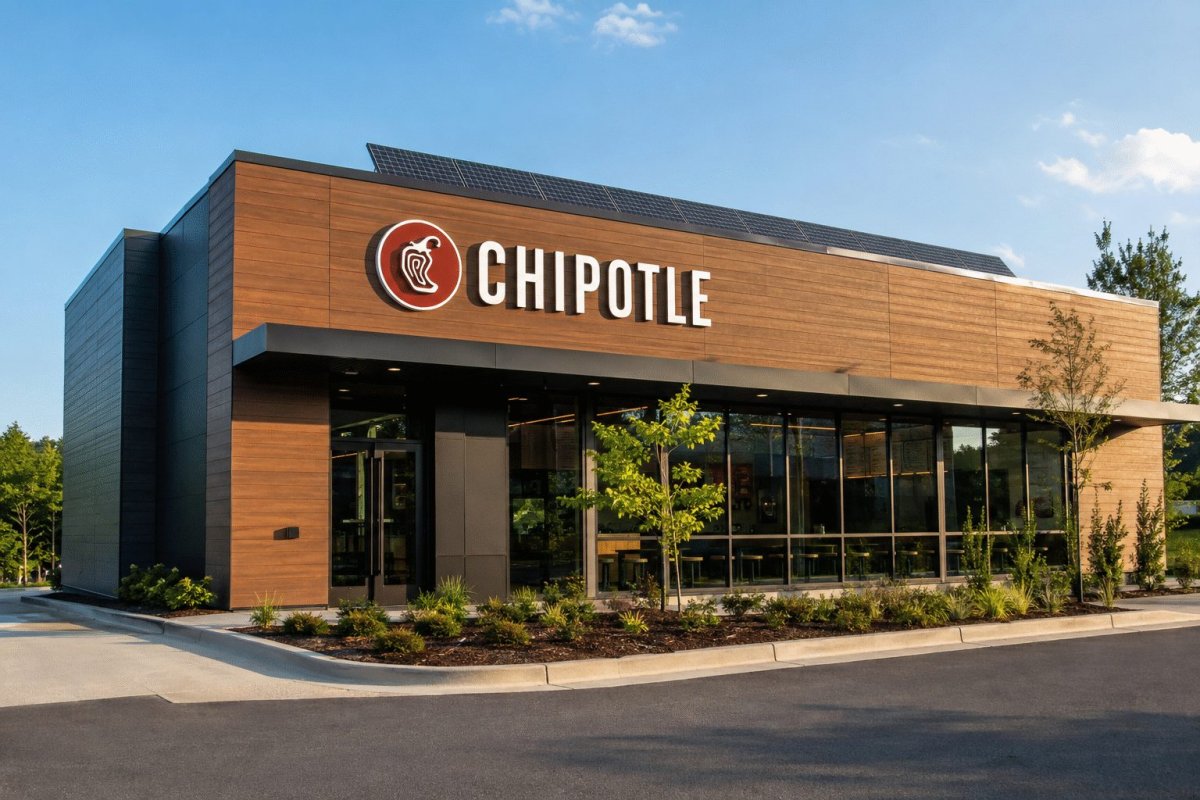
Chipotle Mexican Grill (NYSE:CMG) shares traded nearly flat on Monday, slipping 0.2% to $33.42 by midday, as the ongoing jalapeño recall expanded to include more than 50 prepared-food items distributed by Texas-based grocer H-E-B. The broader consumer impact of the recall has widened, yet the stock's muted reaction suggests investors are not pricing in a fresh operational setback for the burrito chain.
The recall, which now covers a range of products sold through H-E-B stores in Texas and Louisiana, is part of a larger Salmonella Javiana outbreak linked to jalapeños sourced from Sinaloa, Mexico. Federal agencies, including the FDA, have traced 345 reported illnesses to the contaminated peppers, with 36 hospitalizations and no fatalities. Among the 191 individuals interviewed, 177—or 93%—said they had dined at a Mexican-style restaurant before falling ill.
For Chipotle, the distinction matters. While the chain was mentioned in those interviews, the FDA has confirmed that no ongoing risk exists at Chipotle or QDOBA, the private fast-casual brand. Both companies received peppers from Coast Citrus Distributors, but Chipotle switched to a different nationwide jalapeño supplier on July 20, and QDOBA discontinued jalapeños entirely on July 28. These actions, according to the FDA, effectively ended any ongoing exposure at the two chains.
In the retail sector, H-E-B removed more than 50 prepared-food products from shelves in Texas and Louisiana. Whole Foods, a subsidiary of Amazon (NASDAQ:AMZN), also withdrew certain produce and prepared-food items, while Taylor Farms initiated a recall of prepared foods sold through Walmart (NYSE:WMT), Target (NYSE:TGT), Kroger (NYSE:KR), and other major retailers. No confirmed illness cases have been directly linked to any of these retail products.
Investors have taken the news in stride. Chipotle's midday performance outpaced its restaurant-sector peers, with Cava Group (NYSE:CAVA) down 4.33%, McDonald's (NYSE:MCD) falling 1.95%, and Yum! Brands (NYSE:YUM) dropping 2.90%. While the comparison is not exact, it suggests the recall is not weighing on Chipotle more than broader market weakness.
Financial Position and Outlook
Chipotle entered this period with improving momentum. Second-quarter revenue climbed 9.3% to $3.3 billion, while comparable sales rose 2.2%, driven by a 1.0% increase in transactions—the second consecutive quarter of traffic growth. However, restaurant-level margin declined by 220 basis points to 25.2%, reducing the company's flexibility to absorb additional operational challenges.
Chief Executive Scott Boatwright highlighted "encouraging progress" under the company's Recipe for Growth strategy. But that optimism is now under scrutiny, as media coverage of the recall could influence guest traffic even though the tainted supply has been eliminated. Wall Street remains largely optimistic: according to Google Finance, 21 of 24 analysts rate the stock a buy, with three holds and no sells. The consensus 12-month price target stands at $44.96, implying a 34.5% premium to the midday trading price. Most of these ratings were issued before the recall became public and do not account for potential traffic impacts.
Key Metrics to Watch
For investors, the primary short-term gauge will be traffic data rather than the recall's scope. Monitoring customer return rates, restaurant footfall, and any new FDA developments after July 20 will be critical. If these metrics remain stable, it would confirm market expectations that the supplier change has managed the operational risk.
Risks remain: the investigation is ongoing, and reporting delays, grocery-related illness cases, legal actions, or renewed social media scrutiny could increase costs and weigh on sales. Conversely, if no additional illnesses emerge, the financial impact on Chipotle may be muted, allowing the stock to continue its recovery.