Cisco Systems (CSCO) closed at $121.10 on Friday, down 0.6%, lagging the broader market as the S&P 500 and Dow both finished higher. The stock traded between $120.74 and $122.90 during the session, cooling after a 2.55% gain on Thursday. The pullback suggests investors remain intrigued by Cisco's AI-networking narrative but are becoming more selective as the stock retreats from its recent rally.
Analyst Optimism Meets Valuation Concerns
Morgan Stanley raised its price target on Cisco to $130 from $120 while maintaining an Overweight rating, implying roughly 7% upside from Friday's close. The upgrade reflects growing demand for front-end networking equipment that connects servers and data centers for AI and cloud computing. However, Cisco's trailing price-to-earnings ratio stands at about 40.2, and on a forward basis using the midpoint of non-GAAP EPS guidance, the multiple is near 28 times adjusted earnings. That elevated valuation, combined with margin pressure, keeps the stock fairly valued and sensitive to upcoming results.
AI Infrastructure Orders Surge
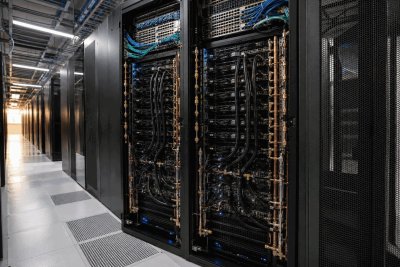
Cisco reported fiscal Q3 2026 revenue of $15.8 billion, up 12% year-over-year, with non-GAAP EPS of $1.06. CEO Chuck Robbins said the company is "well-positioned as the critical infrastructure for the AI era." AI infrastructure orders from hyperscalers reached $1.9 billion in the quarter and $5.3 billion year-to-date, already surpassing earlier targets. Cisco now forecasts approximately $9 billion in AI infrastructure orders from hyperscalers for fiscal 2026. Campus networking orders rose more than 25%, and data-center switching orders were up over 40% year-over-year.
Software and Security Push
Cisco is expanding beyond hardware with its new Cloud Control platform, which allows businesses to manage IT and security using AI agents. The platform is now available in North America, with a marketplace for third-party tools expected in the second half of 2026. "You can no longer do things at human scale," said DJ Sampath, Cisco's senior vice president and general manager of AI software and platform. "Operations have to go to machine scale." Success in converting new product demand into recurring software and security revenue could support a higher valuation over time.
Margin and Execution Risks Remain
Bears point to valuation and execution challenges. Cisco's trailing P/E of 40.2 is high, and Q3 services revenue fell 1%, security revenue was flat, and non-GAAP gross margin declined to 66.0% from 68.6% a year ago. Cisco has indicated that tariff costs are incorporated into its margin and EPS guidance, adding risk from trade policy and cost pressures.
Upcoming Catalyst: Fiscal Q4 Earnings
All eyes are on Cisco's fiscal Q4 earnings, scheduled for August 12, 2026. Investors will scrutinize whether revenue falls within the $16.7 billion to $16.9 billion range, with close attention to AI order momentum and whether gross margin stays within the 65.5% to 66.5% non-GAAP band. For now, Cisco appears fairly valued: ongoing AI demand and analyst support provide a foundation, but the high valuation, margin risks, and the challenge of converting AI orders into steady revenue introduce significant uncertainty for those looking to buy into the story.