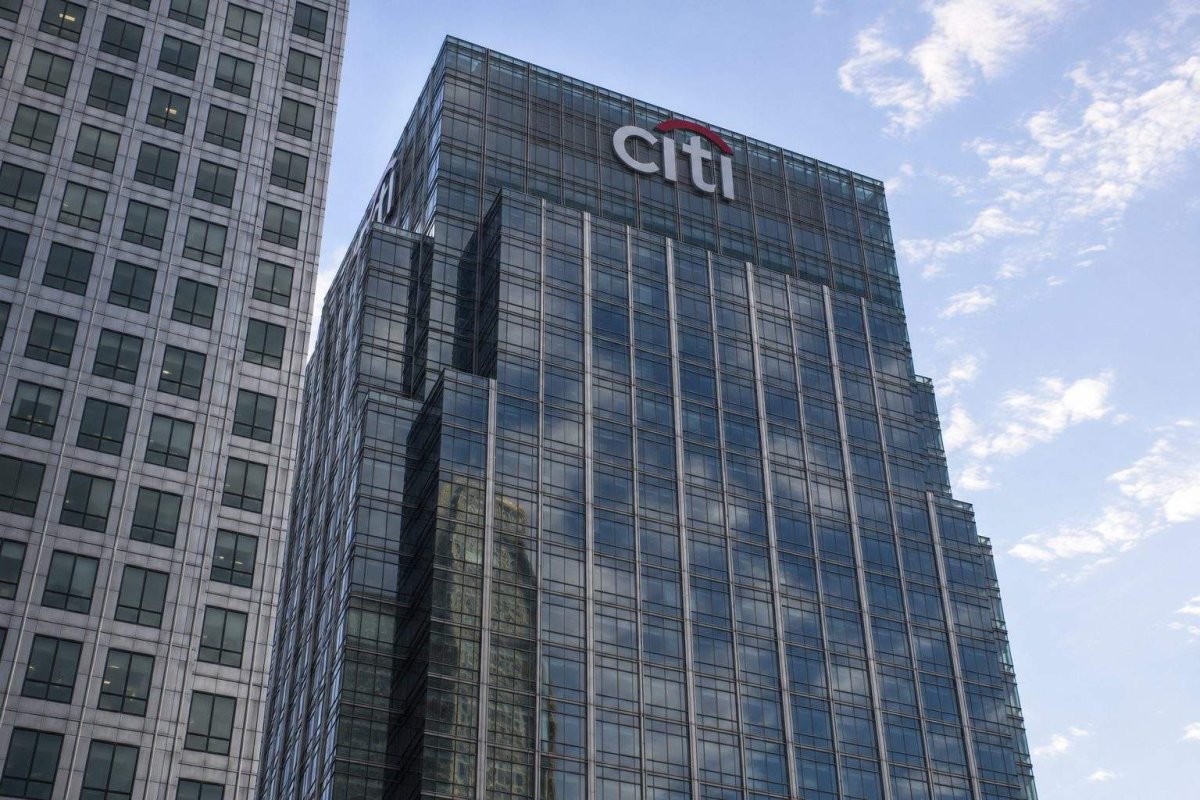
Citigroup Capital XIII (NYSE: C-N) preferred shares have drawn attention as they trade at a premium to their redemption value, presenting both yield opportunities and potential risks for investors. As of Friday's close, the preferred stock ended at $26.42, which is $1.42 above its $25 redemption price. The most recent quarterly distribution of $0.6506 annualizes to a simple yield of approximately 9.85%, a figure that stands out in the current low-rate environment.
However, the headline yield masks a relatively short recovery period. At the current payout rate, an investor purchasing at the premium price would need about 6.5 months (or 2.18 quarters) of distributions to recoup the premium paid over the redemption value. This initial estimate assumes that the distribution remains unchanged, but the security's floating-rate nature introduces additional variables. The C-N preferred resets to three-month SOFR plus 663.161 basis points, meaning that any decline in interest rates would reduce the income received by holders. This could also lower Citigroup's replacement cost if the company were to issue new securities.
Citigroup has announced the full redemption of its Series T preferred stock, totaling $1.5 billion, with the redemption date set for August 15 and payment to be completed by August 17. This move is part of the bank's broader effort to optimize its funding structure. According to Barron's, most large-bank preferreds yield between 6% and 7%, making C-N's 9.85% yield appear attractive but also reflective of its risk profile.
For investors who acquired C-N at $26.42, the potential outcomes vary depending on the timing of redemption. If the preferred is redeemed before the next distribution, the total cash payout would be $25.00, resulting in a gross loss of $1.42 per share, or a negative return of 5.37%. After receiving one distribution, the total payout would be $25.6506, reducing the loss to $0.7694, or -2.91%. After two distributions, the total would be $26.3012, bringing the loss to just $0.1188, or -0.45%. Only after three full distributions would the investor see a positive return, with a total payout of $26.9518, yielding a gain of $0.5318, or 2.01%. These calculations are based on a $25 redemption value and the current $0.6506 distribution, excluding accrued amounts, taxes, and fees. The prospectus allows for accrued but unpaid distributions upon redemption, which could shift the break-even point.
The market has already adjusted to this scenario. C-N hit a 52-week low of $26.25 on Thursday, down from nearly $29 just a month ago. This decline reflects the market's anticipation of the upcoming redemption and the associated risks. Citigroup's Chief Financial Officer, Gonzalo Luchetti, has indicated that the bank will explore "structural funding opportunities" to strengthen its long-term funding profile. The redemption of Series T is part of this strategy, with Barron's estimating an accounting loss of approximately $600 million related to the move. New financing for the bank might carry a rate between 5% and 6%, which would result in annual savings of between $99 million and $122 million, based on the $2.246 billion principal and the most recent distribution annualized over 89.84 million securities. These figures are preliminary and exclude taxes, transaction costs, and regulatory capital impacts.
The broader market context is also relevant. Citigroup's common stock rose 1.9% last week, closing at $135.00, while the S&P 500 rallied 3.58% and the Nasdaq Composite advanced 5.19%. The Dow Jones Industrial Average added 2.96% over the same period. The divergence between C-N's decline and the common stock's rise suggests that the preferred's weakness is specific to the redemption event rather than a reflection of the company's overall health.
Equity analysts remain bullish on Citigroup's common shares. According to FactSet data compiled for The Wall Street Journal, the stock has 17 Buy ratings, three Overweight ratings, and six Hold ratings, with no Underweight or Sell recommendations. Recent analyst actions include UBS's Erika Najarian initiating coverage with a Neutral rating and a $142 price target, Evercore's Glenn Schorr maintaining an In-Line rating with a $135 target, RBC's Gerard Cassidy rating the stock Outperform with a $150 target, and Truist's John McDonald reiterating a Buy with a $154 target. These targets imply upside ranging from 0% to 14.1% from Friday's close.
Investors are also watching upcoming economic data. The Consumer Price Index for July is due on Wednesday, with economists surveyed by Reuters expecting a 3.4% annual headline inflation rate and a 2.5% core rate. The report could influence interest rate expectations, which in turn affect the floating-rate preferreds and the bank's funding costs. Additionally, Citigroup continues to face legal challenges from former employees, including allegations of harassment and discrimination, which the bank has denied and stated it will contest.
In summary, while C-N offers a high yield, the premium over redemption value and the floating-rate reset introduce significant risks. Investors must weigh the potential for a positive return over the long term against the near-term risk of redemption at par. The upcoming CPI data and Citigroup's strategic funding decisions will be key factors to monitor.