U.S. copper prices are hovering near record levels, with the benchmark trading at approximately $6.58 per pound on Thursday, just 3.7% below the all-time high set in August. The market remains gripped by uncertainty over potential U.S. tariffs, which have prompted a massive influx of physical metal into domestic warehouses, creating a stark divide between regional and global supply dynamics.
Record COMEX Inventories
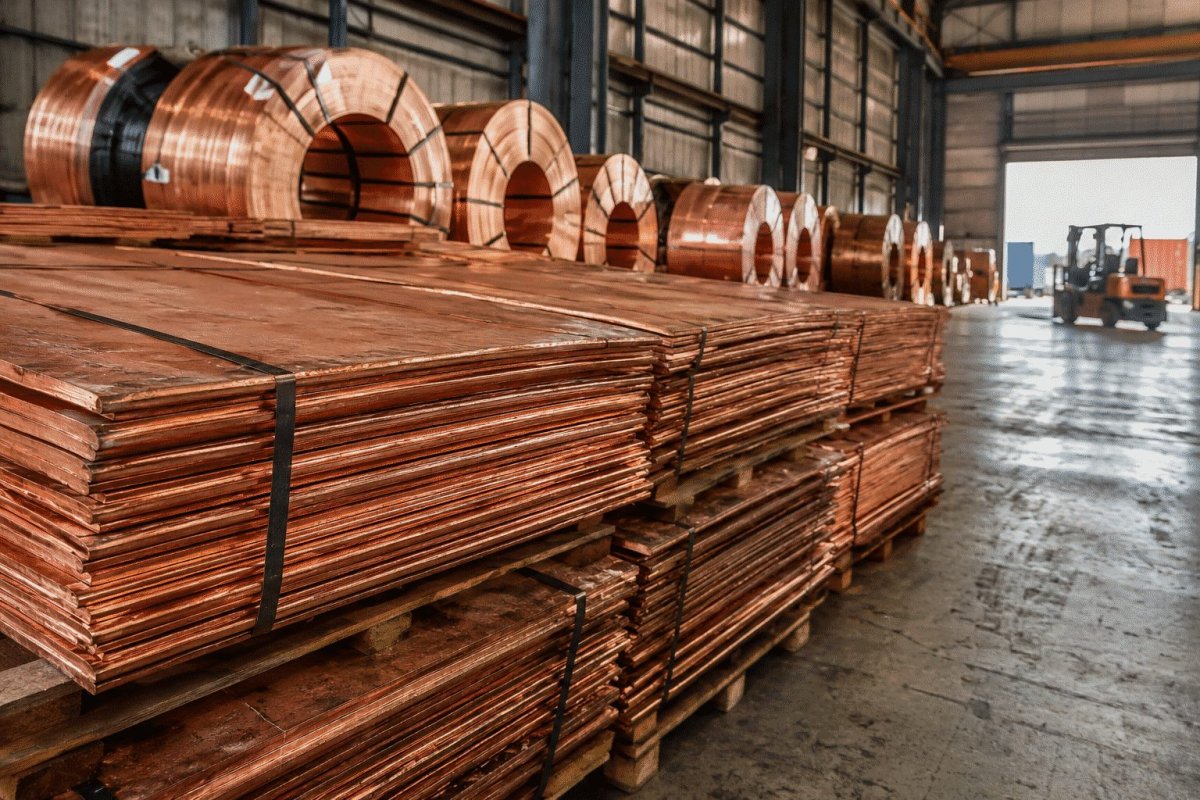
COMEX warehouse inventories have surged to an unprecedented 675,185 metric tons, marking 46 consecutive days of increases. This stockpile buildup reflects a strategic response to the looming threat of import tariffs, as traders and industrial buyers rush to secure metal before potential duties take effect. In contrast, London Metal Exchange (LME) inventories have dwindled to roughly 90,000 tons, as substantial quantities of metal have been redirected to the United States.
The disparity is striking: COMEX inventories are now approximately 7.5 times larger than LME's readily available stocks. However, the metal stored in U.S. facilities is largely considered duty-paid and expensive to transport back, limiting its utility beyond American borders. This has amplified the significance of regional shortages, which now outweigh the broader global supply outlook in determining price direction.
Price Action and Market Signals
The U.S. benchmark slipped about 0.25% during Thursday's session but remains up 4.05% over the past month and has surged 47.25% year-over-year. Meanwhile, London's three-month copper contract climbed to $14,343 per metric ton on Tuesday, sitting just 1.3% below its January record of $14,527.50, supported by requests to withdraw 65,400 tons from LME warehouses.
U.S. imports of refined copper have been robust, totaling nearly 885,000 tons in the first half of the year, a 3% increase from the prior year and more than double the pace seen in 2024. Full-year imports reached a record 1.64 million tons in 2025, underscoring the strong demand pull from American buyers.
Tariff Uncertainty Drives Market
The core driver of this market dynamic is the pending U.S. policy decision. Washington is weighing a 15% tariff on refined copper starting January 1, 2027, which could escalate to 30% in 2028. This uncertainty is directly affecting valuations, as investors price in the potential for significant supply disruptions.
CRU Group, a commodities consultancy, had previously forecast a global surplus of 639,000 tons for 2026. However, its analysts now suggest that the accessible market would be balanced if U.S. stockpiles remain locked away. This shift highlights how tariff policies can reshape global supply-demand fundamentals.
Implications for Miners and End-Users
For mining companies, higher copper prices translate into increased revenue and profitability. However, sectors such as power equipment, construction, and data-center projects face rising material costs, which could pressure margins and delay projects. Copper remains the primary U.S. benchmark for managing price risk, as reflected in CME Group's futures contracts.
In Thursday's trading, U.S.-listed copper stocks showed mixed performance. Freeport-McMoRan (NYSE: FCX) slipped 0.34% to $78.73, while Southern Copper (NYSE: SCCO) advanced 1.56% to $217.08. The Global X Copper Miners ETF (NYSEARCA: COPX) gained 0.84% to $96.34.
Long-Term Supply Outlook
Beyond the immediate tariff concerns, long-term supply growth remains a concern. Argentina and Chile have reinstated a cross-border framework that could unlock $20.7 billion in investments and add 540,000 tons of annual output, though no implementation timeline has been provided. Meanwhile, short-term pressures persist, with LME stocks having fallen significantly since mid-May, exacerbated by mine disruptions and a smelter shutdown in Indonesia.
Risks and Outlook
The U.S. premium could rapidly dissipate if tariffs are lifted or a decisive policy move occurs. High COMEX inventories, softer demand from China, or investor sell-offs would further weigh on prices. Elevated copper prices might also deter industrial buying, potentially dampening demand growth.
The key issue is not a lack of supply, but rather its location. With policy uncertainty persisting, investors are valuing copper based on the difficulty of getting the metal to those who need it. As the tariff decision approaches, market participants remain on edge, watching for any signals that could shift the balance.