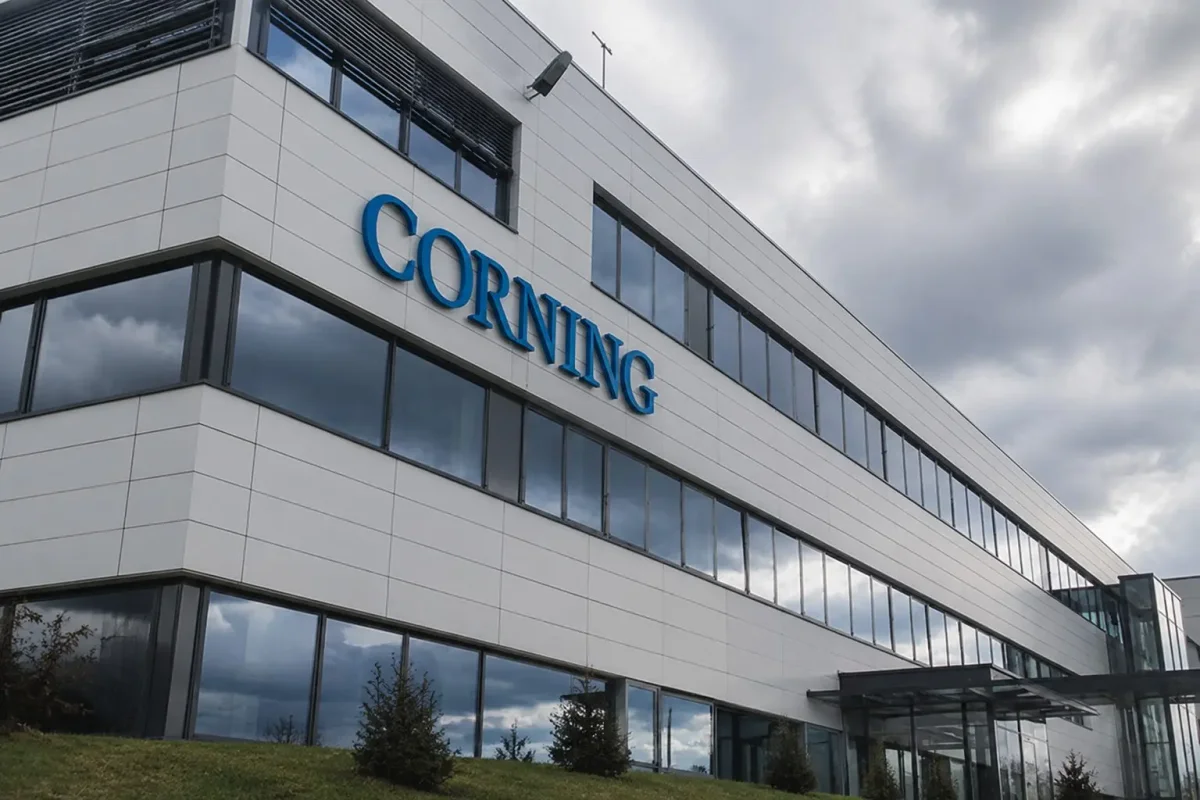
Corning Incorporated (NYSE: GLW) saw its shares surge approximately 15% in Monday afternoon trading, reaching $254.54 by 2:48 p.m. EDT. The sharp rise added roughly $29 billion to the company's market capitalization since Friday's close, significantly outperforming both the SPDR S&P 500 ETF (SPY) and the Invesco QQQ Trust (QQQ).
The stock's climb was notable not just for its magnitude but also because it pushed GLW above every 12-month analyst price target tracked by Google Finance. Despite a consensus rating of seven Buy, four Hold, and zero Sell recommendations, the highest target stood at $228.00, with an average of $205.10. Monday's price of $254.54 was 11.6% above the top target and 24.1% above the average, indicating the market is pricing in a faster ramp than sell-side analysts currently project.
This disconnect matters for investors. Anyone buying at Monday's price is effectively paying for either a quicker-than-expected revenue ramp or higher profit margins on the existing sales base. The intraday range was nearly $40, from a low of $215.30 to a high of $254.98, with volume surging to 17.2 million shares.
AI Fiber Deals Drive Momentum
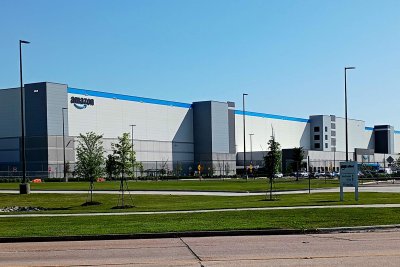
Corning's recent momentum is fueled by major deals tied to artificial intelligence data center buildouts. On June 8, the company announced a multi-billion-dollar agreement with Amazon.com (NASDAQ: AMZN) to supply optical fiber, cable, and connectivity products for Amazon's data centers. CEO Wendell Weeks called the deal "a significant milestone" and said it would support 1,000 advanced manufacturing jobs in North Carolina.
In January, Meta Platforms (NASDAQ: META) signed a deal worth up to $6 billion over several years for Corning's fiber-optic cables used in AI data centers, according to Reuters. Corning will provide advanced optical fiber, cables, and connectivity gear, with plans to boost production in North Carolina.
Financial Performance and Outlook
The company is backing its narrative with solid numbers. First-quarter core sales reached $4.35 billion, an 18% year-over-year increase, with Optical Communications sales surging 36% to $1.85 billion. For the second quarter, management guided for core sales of approximately $4.6 billion and core earnings per share between $0.73 and $0.77.
Corning's long-term targets are ambitious. In May, the company outlined a $20 billion annualized sales run rate by the end of 2026 and a goal of $40 billion in annual sales by 2030. Weeks also set a target of $10 billion in Photonics revenue by 2030.
Valuation and Risks
Despite the upbeat news, valuation remains a concern. The trailing price-to-earnings ratio stands at around 122, and the dividend yield is just 0.44% based on a $0.28 quarterly dividend declared on June 24, payable September 29 to shareholders of record August 31.
The stock's rapid ascent leaves little room for disappointment. Corning's Q2 guidance includes $30 million in extra costs from a longer-than-expected solar wafer facility shutdown for maintenance, though CFO Ed Schlesinger noted that expense was already factored into the forecast. With the stock trading well above analyst targets, any negative surprise could trigger a sharp correction.