Creator marketing is becoming a cornerstone of U.S. media budgets, with spending projected to reach approximately $44 billion in 2026. This surge reflects a strategic shift from one-off sponsored posts to longer-term, performance-based partnerships, as brands increasingly demand measurable returns on their influencer investments.
Industry Momentum at Cannes Lions
The Cannes Lions International Festival of Creativity kicked off this week with its new LIONS Creators programme, designed to integrate influencers into the broader advertising ecosystem alongside brands, platforms, and agencies. The event, running through June 26, provides a live backdrop for discussions on creator marketing as chief marketing officers face mounting pressure to demonstrate that influencer content drives revenue, not just engagement.
According to ECIKS, citing Global Brands Magazine, deals with performance targets—where compensation is tied to clicks, sales, or similar outcomes—accounted for 53% of all arrangements in 2026, up sharply from 23% in 2024. This trend underscores a broader industry move toward accountability.
More than 250 creators are attending Cannes this year, including podcast host Alex Cooper, TikTok personalities Josh Richards and Keith Lee, and YouTube creator Dhar Mann. "The marketing of today is consumers talking about our brands," said Shweta Bhardwaj of Bain & Company. Dhar Mann added that brands must "move at the speed of culture."
Spending Growth and Market Context
The Interactive Advertising Bureau (IAB) projects U.S. ad spend in the creator economy will reach $37 billion in 2025, a 26% increase from the prior year. Nearly half of creator ad buyers now view creators as a "must buy"—an essential component of media plans rather than a testing ground. IAB CEO David Cohen described creator marketing as "essential," not "experimental." Chris Bruderle, vice president for industry insights and content strategy at IAB, noted that it is "proving its value across the full funnel."
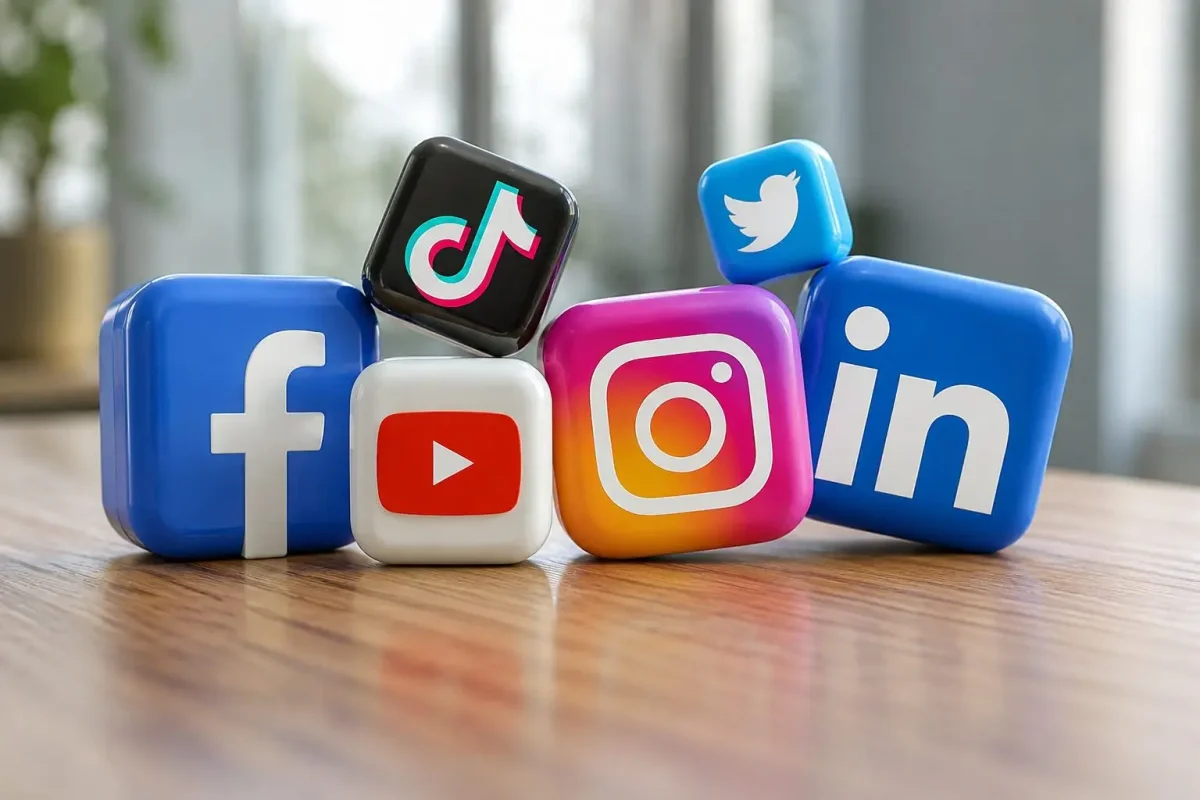
Platforms such as Meta Platforms' Instagram, Alphabet's YouTube, and TikTok continue to compete for brand dollars, particularly in short-form video, creator partnerships, and social commerce. EMARKETER forecasts U.S. influencer marketing spending will rise 15.7% in 2026, reaching $13.7 billion by 2027, using a narrower definition than the broader creator-economy figure.
Shifting Preferences and Budget Allocation
Aspire reports that 63% of creators now prefer long-term deals over one-off campaigns. Additionally, 54% of marketers primarily use nano and micro creators, who often have smaller but more engaged audiences. A striking 77% of marketers repurpose influencer content for advertising, extending its reach beyond the original channel.
Linqia's 2026 State of Influencer Marketing report reveals that budget pressures are evident in spending plans. Approximately 62% of enterprise marketers reported increases in influencer budgets, with nearly a third planning to spend over $5 million on influencer work in 2026. On performance, 81% of respondents said creator-generated content outperformed brand-produced material.
Challenges and Risks
Despite the growth, significant hurdles remain. Linqia found that 79% of marketers cite ROI measurement as their top challenge, with 48% struggling most with attribution—determining which creator or post led to a sale. The IAB highlights that the industry still lacks strong standards, transparency, and better tools to connect brands with credible creators.
Creators function as both a media channel and production source. Brands value the trusted, rapid reach that creators offer, but they also require contracts, usage rights, reliable data, and risk mitigation. The process is far more complex than buying a single post and monitoring likes.
The next phase will test whether creators can maintain the authentic connection that draws audiences, even as large advertisers push for stricter reporting. As money flows and rules evolve, the creator economy stands at a pivotal juncture.