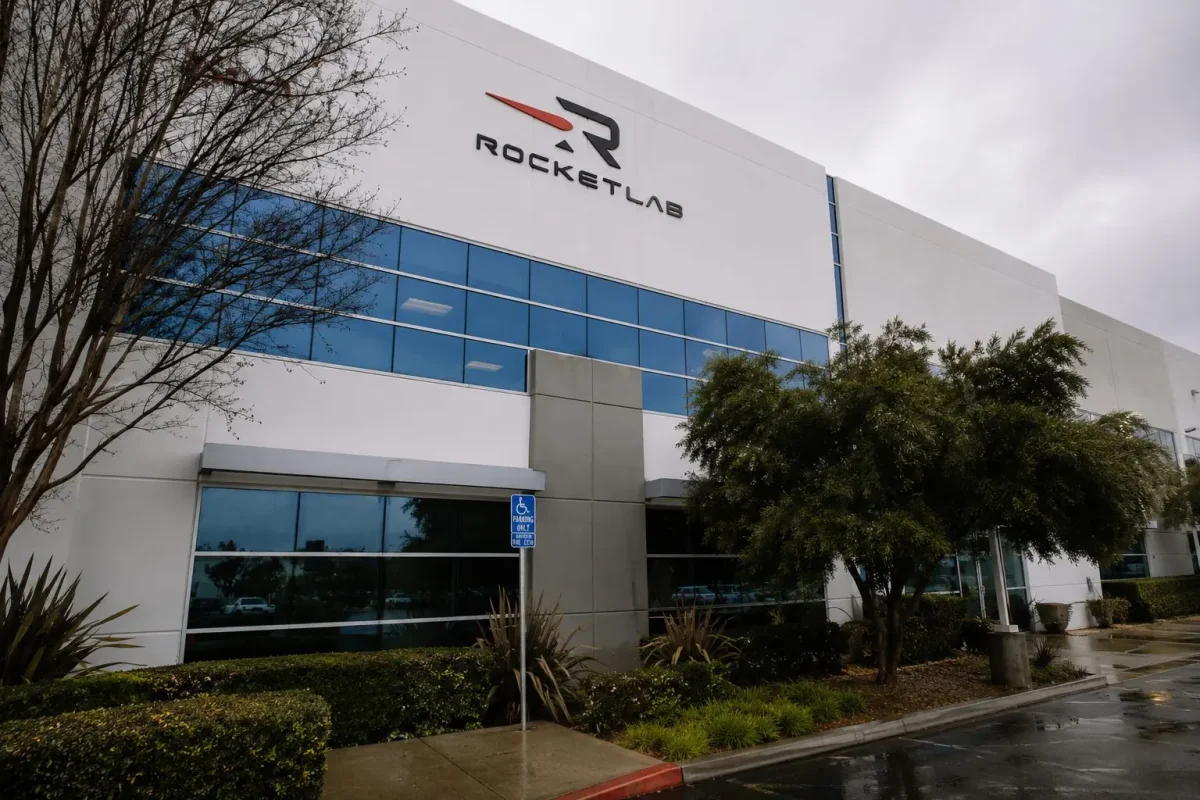
Rocket Lab (NASDAQ:RKLB) saw its shares climb 4.1% to $77.89 in Thursday's regular trading session, bringing the company's market capitalization to approximately $47.2 billion. The surge came as investors weighed the significance of two newly disclosed Space Force awards totaling $663 million, which together represent roughly 30% of the company's reported backlog as of March.
The contracts, announced on August 4 and July 27, are a mix of satellite design, launch services, and missile-defense support. The larger of the two, a $397 million award for the Space-Based Augmentation Missile Tracking Initiative (SB-AMTI) Flatellites, is heavily dependent on the yet-to-fly Neutron rocket. This program accounts for approximately 59.9% of the combined value of the two awards, underscoring the critical role Neutron plays in Rocket Lab's growth trajectory.
Rocket Lab's second-quarter earnings are scheduled for release after the market closes on Monday. The company's guidance projects revenue in the range of $225 million to $240 million, with a midpoint of $232.5 million, representing a 16.1% sequential increase from the first quarter's actual revenue of $200.3 million. However, the company also anticipates a wider adjusted EBITDA loss of $20 million to $26 million, compared to an $11.8 million loss in the prior quarter.
The $663 million in new contracts represents 331% of Rocket Lab's first-quarter revenue and 30.1% of its March backlog of $2.2 billion. While these figures are substantial, they amount to just 1.4% of the company's current market value, reflecting investor expectations of significant future growth. The contracts also include options that could expand their value, with the $397 million figure covering an option for additional Flatellites and the $266 million missile-defense deal accounting for up to six optional launches.
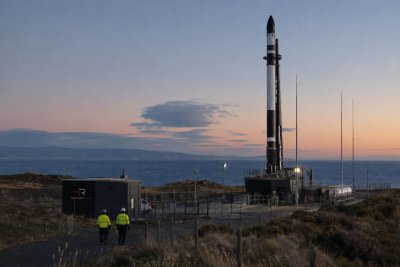
Rocket Lab's CEO, Peter Beck, highlighted the company's "vertically integrated, constellation-class satellite capabilities" as a key strength. However, the new contracts place added pressure on the company to deliver on Neutron, which has yet to complete its first launch. Thursday's successful Electron mission, which deployed eight iQPS satellites (QPS-SAR-13), provided fresh evidence of the company's operational reliability, but analysts note that Neutron's progress remains the primary concern for investors.
Investor sentiment is mixed. Piper Sandler initiated coverage with a Neutral rating and an $83 price target, while Bank of America, Needham, and Roth Capital have all maintained Buy ratings with targets ranging from $115 to $130. The consensus among 22 analysts is a Moderate Buy with a $110.29 price target, implying a potential upside of 42% from Thursday's closing price.
Rocket Lab's valuation also makes it sensitive to interest rate movements. According to Trefis, the stock has historically declined an average of 37% during major market shocks, compared to a 13% average drop for the S&P 500. During the 2022 rate shock, shares fell 70% from peak to trough.
Key risks include Neutron's unproven track record and the possibility that optional contract components may not be exercised. Investors will be closely monitoring Monday's earnings call for updates on Neutron's development timeline and any new booking announcements.