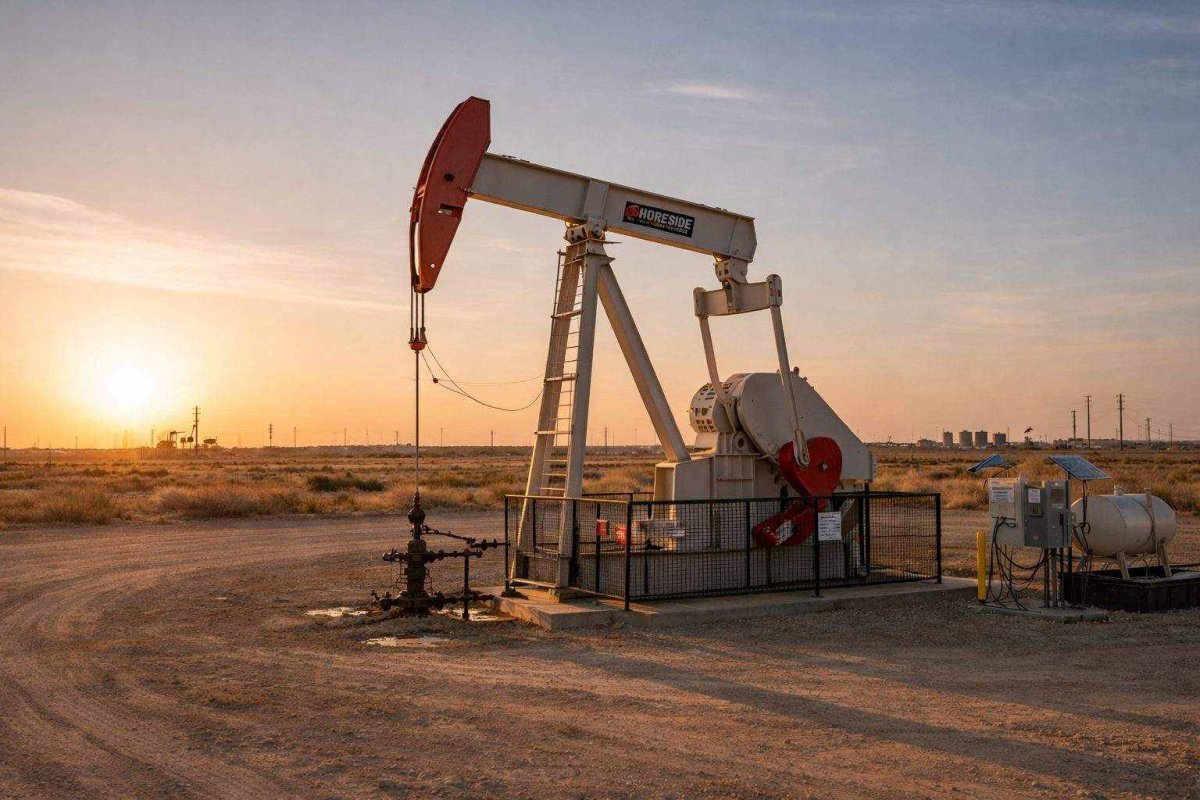
Global crude oil markets experienced a significant sell-off on Monday, March 23, 2026, following a pivotal decision from Washington that temporarily reduced the risk of a major supply disruption in the Middle East. The price decline marked a sharp reversal from the multi-year highs reached just days prior.
Price Plunge and Market Drivers
Brent crude futures, the international benchmark, tumbled 9.64% to settle at $101.42 per barrel. Concurrently, U.S. West Texas Intermediate (WTI) crude fell 8.78% to $89.61. The catalyst for the drop was an announcement from the U.S. administration of a five-day delay in planned strikes against Iranian power plants and related energy infrastructure. This move was interpreted by traders as a de-escalation that lessened the immediate threat to oil flows from the region, prompting a rapid unwind of the geopolitical risk premium that had been built into prices.
The pullback was particularly notable given that Brent had closed the previous Friday at $112.19, a level not seen since July 2022. The swift correction underscored the market's sensitivity to headlines from the volatile Strait of Hormuz, a critical chokepoint through which roughly one-fifth of the world's seaborne oil and liquefied natural gas passes.
Equity Markets Rebound
In a stark contrast to the energy complex, equity markets staged a robust rally. The Dow Jones Industrial Average surged 655 points, while the S&P 500 gained 1.19% and the Nasdaq Composite advanced 1.26%. The rebound reflected investor relief that the prospect of an immediate, broader military conflict had receded, reducing the near-term risk of a severe economic shock. Analysts, however, cautioned that the relief might be temporary, with the underlying geopolitical tensions far from resolved.
Energy Stocks and Corporate Commentary
Shares of major oil companies declined in tandem with the underlying commodity. In London trading, BP plc saw its shares fall 2.2%, while Shell plc dropped 4.2%. The energy sector lagged the broader market's recovery.
Industry leaders expressed concern over the lingering market tightness and economic impact. Speaking at the CERAWeek conference in Houston, Sultan Al Jaber of the Abu Dhabi National Oil Company (ADNOC) warned that high oil prices were "slowing economic growth everywhere." Patrick Pouyanné, CEO of TotalEnergies, added that a disruption lasting three to four months could pose a systemic risk to the global economy. Chevron CEO Mike Wirth noted that supply would not rebound quickly and highlighted ongoing tightness in diesel and jet fuel markets, particularly in Asia, which is not fully priced into forward contracts.
Asian Crisis and Strait of Hormuz Stalemate
The market stress has a distinctly Asian dimension. Singapore's Foreign Minister Vivian Balakrishnan labeled the effective closure of the Strait of Hormuz "an Asian crisis," noting that approximately 80% of the oil transiting the waterway is destined for Asian refiners. Many facilities across the region have already scaled back operations or invoked force majeure clauses due to the supply disruption.
The physical blockage or severe slowdown of shipping through the strait remains a primary concern. Fatih Birol, Executive Director of the International Energy Agency (IEA), emphasized that while the agency is in discussions with member governments about potential additional releases from strategic petroleum reserves, such measures are only a temporary fix. "The single most important solution to this problem is opening the Hormuz Strait," Birol stated.
Analyst Outlook and Price Forecasts
Financial institutions are adjusting their models in response to the heightened volatility. Goldman Sachs adopted a cautious stance, raising its full-year 2026 average price forecast for Brent to $85 per barrel from $77, and for WTI to $79 from $72. The bank's analysts suggested Brent could average around $110 in March and April as markets continue to price in a supply risk premium, while warning that prices could spike to $135 in a worst-case scenario.
Market participants largely viewed the U.S. decision as a temporary respite rather than a resolution. David Bianco of DWS Group characterized it as buying time in a "very intense conflict," adding that he did not see the situation being resolved overnight. Iran has denied any negotiations with Washington, and the risk of further attacks on energy infrastructure persists, threatening a prolonged period of reduced exports, elevated prices, and broader inflationary pressures.