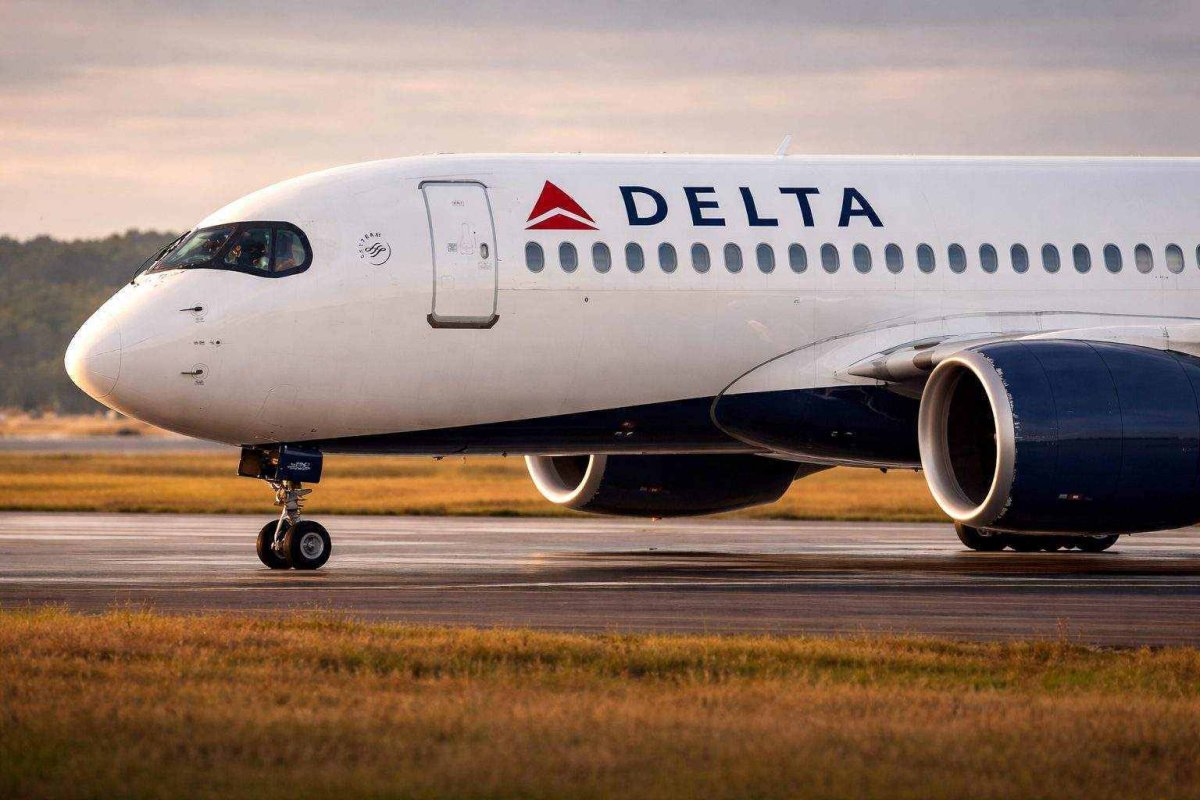
Delta Air Lines has canceled approximately 500 flights since Friday, citing significant pilot staffing and scheduling challenges that have disrupted its mainline operations. The cancellations far exceed those at American Airlines and United Airlines, which combined reported about 80 canceled flights over the same period.
Staffing Crunch Deepens
An internal memo from Delta's senior vice president of flight operations, Ryan Gumm, revealed that pilot acceptance of extra trips—known as 'open trips'—has plummeted to just 2%, down sharply from roughly 37% a year ago. This dramatic drop is hampering Delta's ability to cover last-minute crew shortages, forcing the airline to rely more heavily on its 23.M.7 staffing process, a contract workaround used for quick flight coverage. Use of this system has surged to 10 to 15 times last year's levels, but Gumm noted, 'We cannot rely on old structures and expect better results.'
Timing and Market Context
The disruptions hit just as Delta approaches the peak summer travel season, a period when storms, packed flights, and limited rebooking options typically strain airline operations. In April, Delta's top brass flagged rising recovery and crew costs as concerns during the March-quarter earnings release. Chief Operating Officer Dan Janki, who took over on April 1, pointed to a 6% year-over-year increase in non-fuel unit costs, linked to weaker-than-expected capacity growth and elevated recovery expenses. Janki has prioritized 'improving operational resilience' and targeting stronger operations and leaner costs in the second half of the year.
Pilot Union Disputes Claims
Delta's pilot union, the Air Line Pilots Association (ALPA), pushed back against assertions that pilots are to blame for the disruptions. Eric Criswell, head of Delta's ALPA unit, told The Atlanta Journal-Constitution that operational snags have been occurring even without major storms. He attributed the issues to slow hiring and internal problems with crew scheduling and tracking, noting that some workers have maxed out on overtime. Delta management countered that it has ramped up pilot hiring, increased the reserve pool, and now has 20% more pilots compared to 2019.
Operational Impacts and Passenger Protections
Delta's internal data shows the disruption is not a one-off weekend blip. Cancellations tied to flight operations—such as staffing, not weather—have surged to more than ten times the norm, now accounting for 35% of mainline cancellations, up from 7% at this time last year. For passengers, Delta says it places disrupted travelers on the next available Delta flight or books them with another carrier if needed. If the replacement doesn't work, eligible customers can claim a full refund. Under U.S. Department of Transportation rules, passengers are entitled to a refund if they choose not to travel or accept an alternative after a cancellation within the U.S.
Outlook and Strategic Moves
Delta is also undergoing management changes, with COO Dan Janki now overseeing flight operations, in-flight service, reservations, customer care, and safety, following the planned retirement of longtime operations chief John Laughter. The airline is exploring technology upgrades and other solutions to address crew scheduling, but the summer rush looms large. If pilot behavior doesn't shift—and if storms churn up new gaps—Delta's flexibility remains razor thin. The carrier's ability to maintain its reputation for reliability will be tested in the weeks ahead as contract negotiations with pilots continue.