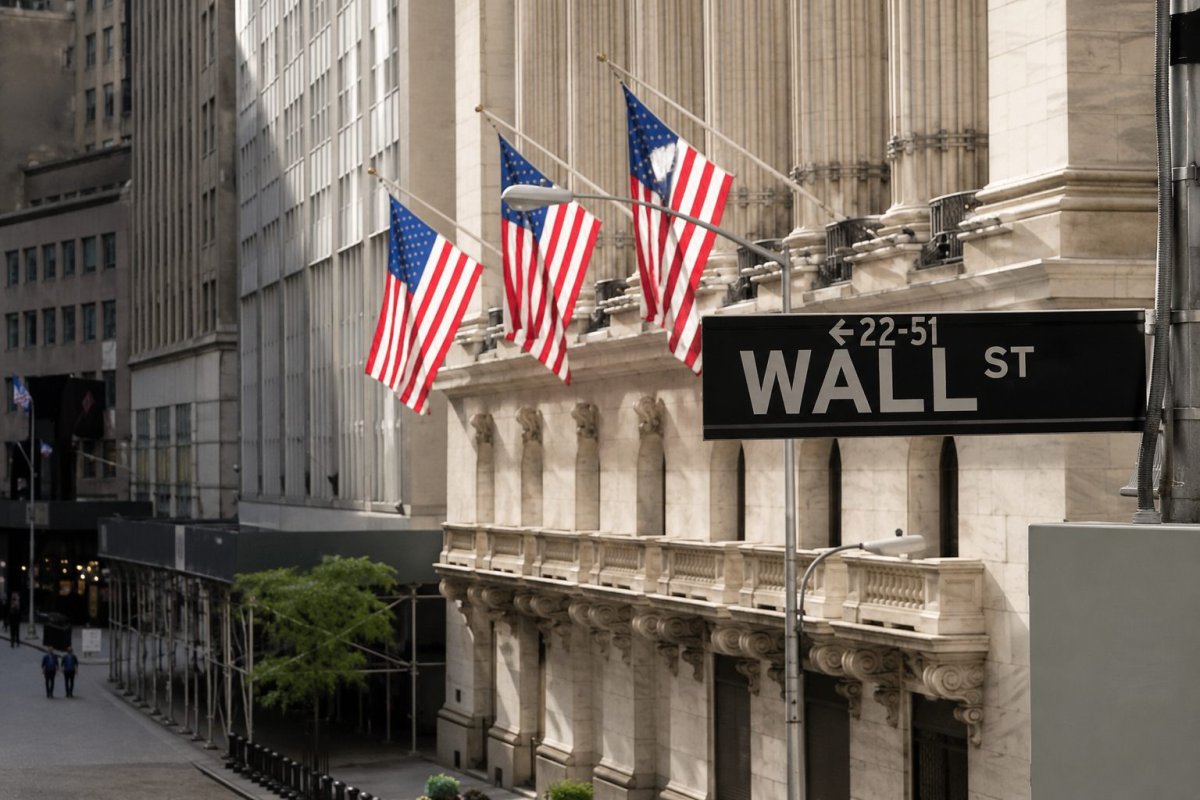
Wall Street ended Tuesday with a mixed performance as the Dow Jones Industrial Average climbed to a new record closing high above 52,000, while the Nasdaq Composite fell on renewed selling in technology and semiconductor stocks. The Dow rose 0.64% to finish at 52,003.34, buoyed by gains in financial and industrial shares. In contrast, the S&P 500 slipped 0.41% to 7,523.07, and the Nasdaq lost 0.86% to close at 26,455.00.
Rotation Out of Tech Drives Divergence
Investors rotated out of high-flying technology and chip stocks, which had rallied sharply on Monday following optimism over a potential U.S.-Iran agreement and the reopening of the Strait of Hormuz. Profit-taking in those names weighed on the broader S&P 500 and Nasdaq, while the price-weighted Dow benefited from strength in higher-priced financial and industrial components. Banks led the rebound, with JPMorgan Chase, Wells Fargo, and Bank of America posting solid gains.
Mark Luschini, chief investment strategist at Janney Montgomery Scott, told Reuters that the market is "digesting some of those gains" and that the setup in anticipation of the Federal Reserve meeting is "always a little tentative."
Oil Prices Slide, Yields Ease
Crude oil prices fell sharply, providing some relief to equity markets. Brent crude settled down 5.1% at $78.96 a barrel on hopes that a U.S.-Iran deal could lead to increased oil flows through the Strait of Hormuz. Lower oil prices reduce inflationary pressure, boost consumer spending power, and lessen the likelihood of the Fed maintaining high interest rates. The 10-year Treasury yield slipped to 4.42% from 4.47% late Monday, supporting equities by raising the present value of expected future earnings.
Fed Decision Looms Large
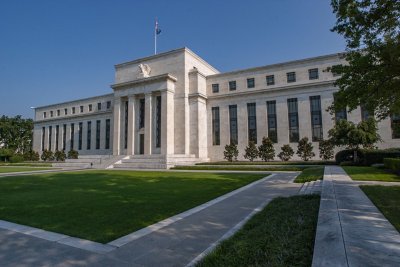
All eyes are now on the Federal Reserve's interest rate decision due Wednesday. The central bank is widely expected to hold the federal funds rate steady in a range of 3.50% to 3.75%. Investors will be closely watching comments from Chair Kevin Warsh on inflation, employment, and the economic outlook. According to Reuters, traders see about a 42% probability of a 25-basis-point rate hike in December, keeping rate risk on the table even as oil prices decline.
Bullish Outlook, but Risks Remain
Despite the mixed session, some analysts remain optimistic. Wells Fargo raised its year-end S&P 500 target to 7,950 from 7,300, citing improving earnings, easing macro risks following the U.S.-Iran interim deal, and a shift in investor sentiment. The bank also lifted its 2026 S&P 500 earnings per share estimate to $340 from $315. However, the bull case is not without skeptics. The rally remains heavily concentrated in artificial intelligence and semiconductor stocks. Bank of America's latest fund manager survey identified inflation as the top concern, with "long global semiconductors" flagged as an overcrowded trade.
Valuations Stretched, Earnings Key
After Tuesday's close, U.S. stocks are not cheap. The S&P 500 trades near recent peaks, and the Nasdaq remains vulnerable if the AI rally falters. A hawkish tone from the Fed could quickly hit valuations. For now, the market's upward trajectory depends on continued earnings growth and benign inflation. If those conditions deteriorate, today's pause could prove to be just a temporary halt rather than the start of sustained momentum.