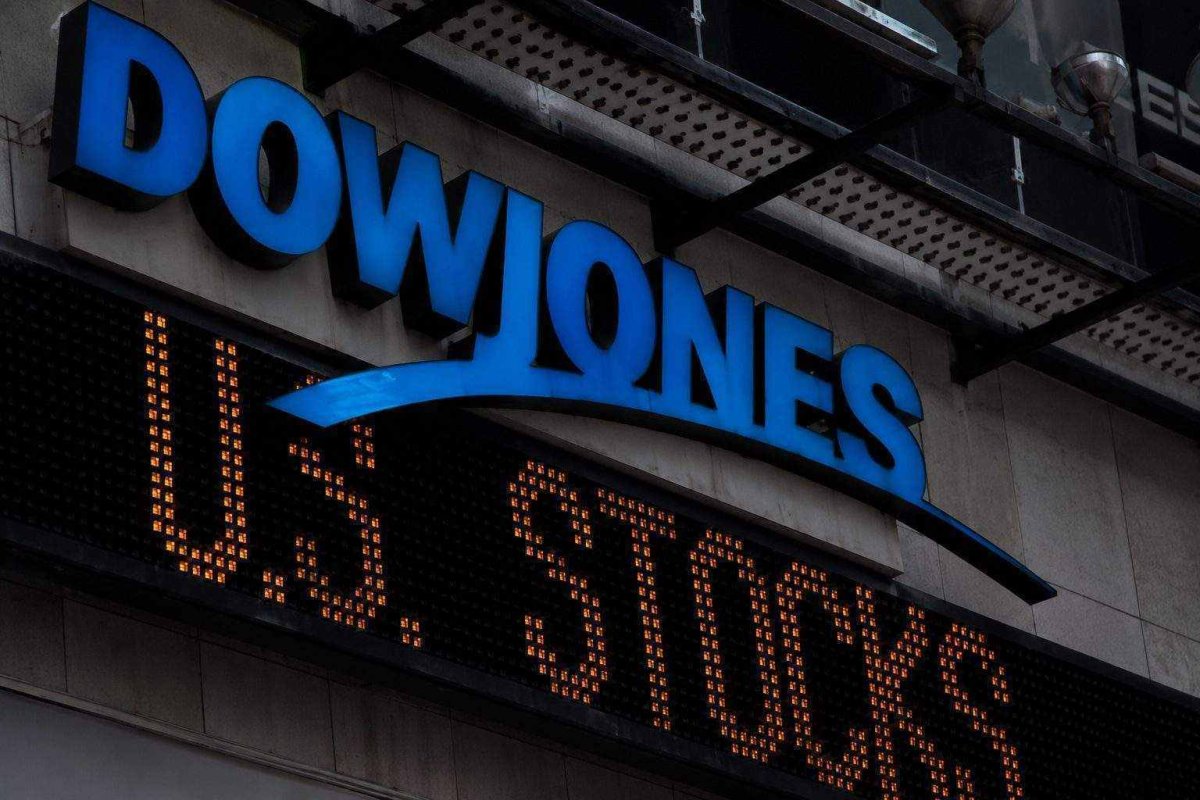
The Dow Jones Industrial Average suffered a sharp decline of 406.40 points, or 0.81%, closing at 49,657.06 on Friday. The blue-chip index slipped back below the psychologically important 50,000 level as a surge in oil prices and a rise in Treasury yields rattled Wall Street. The broader market also felt the pressure, with the S&P 500 falling 50.23 points to 7,451.01 and the Nasdaq Composite dropping 195.89 points to 26,439.34.
The selloff marked a stark reversal from Thursday, when the Dow had closed above 50,000 for the first time since February, and the S&P 500 and Nasdaq had set fresh record highs. The rally, driven by artificial intelligence enthusiasm and resilient corporate earnings, ran into a more challenging macro environment characterized by higher energy costs, rising yields, and a less accommodative Federal Reserve outlook.
The catalyst for the downturn was a spike in crude oil prices, with Brent crude settling near $109 per barrel. Concurrently, the 10-year Treasury yield climbed to approximately 4.59%, according to data from the Associated Press. Higher yields typically weigh on equities by increasing borrowing costs and offering investors a more attractive alternative to stocks.
Kenny Polcari, chief market strategist at Slatestone Wealth, commented to Reuters that the market had become overextended. He noted that investors were overly focused on the AI trade and had neglected crucial signals from the bond market and economic data. The selloff was broad-based, with ten of the eleven major S&P 500 sectors declining. Only the energy sector managed to gain, buoyed by the rise in oil prices. The Philadelphia Semiconductor Index fell 2.3%, with major chip stocks like Nvidia (NVDA) dropping 2%, AMD (AMD) falling 3.1%, and Intel (INTC) losing 5.1%.
The Dow's price-weighted composition means that higher-priced stocks have a disproportionate impact on its movements. However, the S&P 500 and Nasdaq, which are broader market indicators, also finished lower, confirming the widespread nature of the selling pressure.
Interest rate expectations added to the market's woes. According to Reuters, CME FedWatch data showed a 49.5% probability that the Federal Reserve could raise rates by at least 25 basis points at its December meeting, a significant jump from 14.3% just a week earlier. A basis point is one-hundredth of a percentage point.
Prediction markets echoed this sentiment. On Polymarket, traders assigned a 67% probability to zero Fed rate cuts in 2026 and a 32% chance of a rate hike. Kalshi's interest-rate page indicated a 68% likelihood of exactly zero cuts and a 17% chance of exactly one cut, with approximately $3.7 million in volume in that market.
Despite these market expectations, Fed officials have not signaled a more aggressive path. New York Fed President John Williams stated on Thursday that monetary policy was in a "good place" and saw no immediate need to raise or lower rates, even with ongoing Middle East tensions keeping price pressures uncertain, as reported by Reuters.
The risk now is that rising oil and bond yields effectively tighten financial conditions before the Fed acts. A prolonged disruption around the Strait of Hormuz could sustain inflation expectations and drive investors away from richly valued stocks. Conversely, a quick easing in crude prices could help stabilize markets and set a more positive tone for the Dow in the coming week.