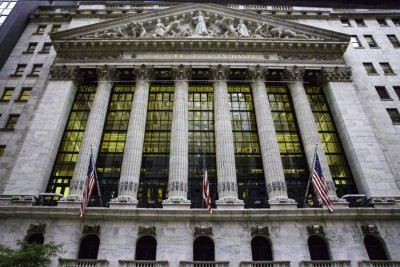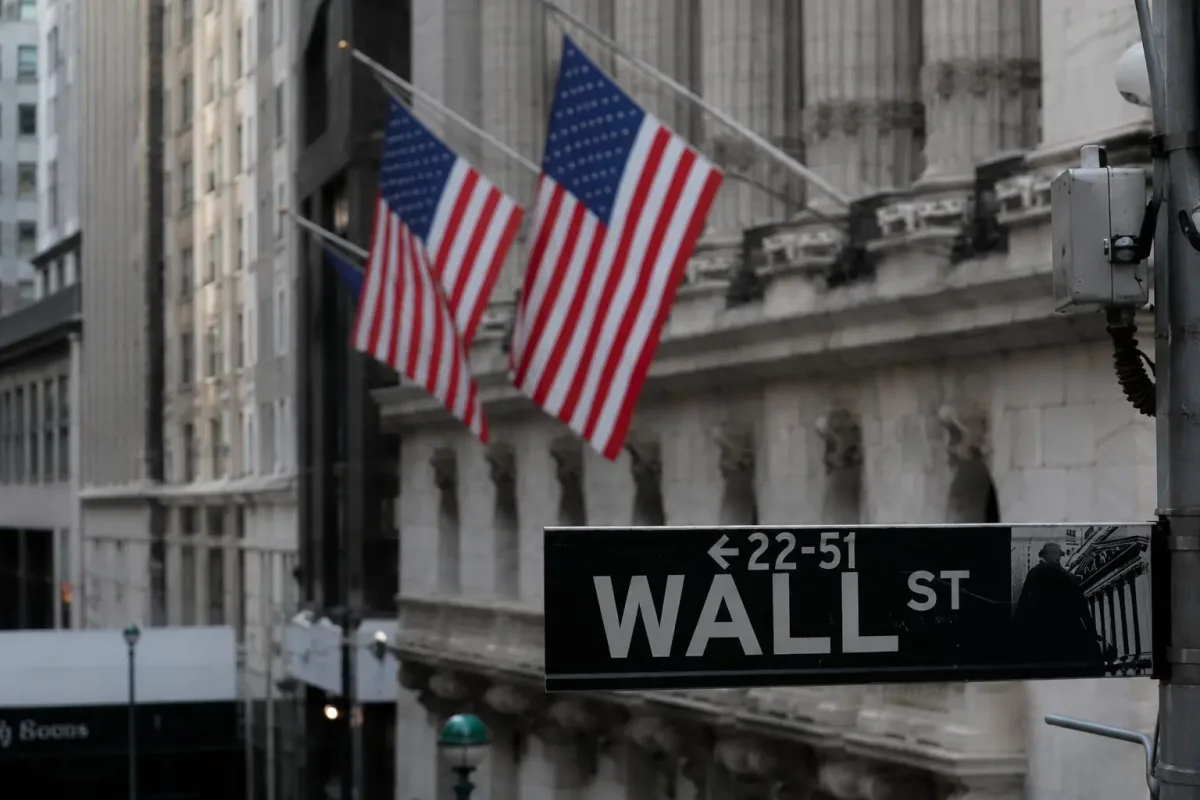
U.S. stock markets presented a mixed picture in late-morning trading on Thursday, with the Dow Jones Industrial Average climbing while the tech-heavy Nasdaq Composite slipped, as a sharp selloff in artificial intelligence chip stocks weighed on the broader market.
At approximately 11 a.m. EDT, the Dow was up 1.57% at 51,481.46, while the S&P 500 edged 0.08% higher to 7,559.93. In contrast, the Nasdaq Composite fell 0.47% to 26,727.74, and the Nasdaq 100 dropped 0.90%, signaling notable weakness in technology shares, according to Investing.com data.
Broadcom's disappointing results hit AI stocks
The recent market rally has been heavily driven by artificial intelligence, and Broadcom (AVGO) became a key test for that trend on Thursday. Shares of the chipmaker plunged about 15% after the company missed revenue estimates and kept its AI-chip sales forecast unchanged, rather than raising it as many investors had anticipated. Broadcom had been a top pick for investors seeking exposure to custom AI chip demand outside of Nvidia, with major customers including Alphabet (GOOGL) and Meta (META).
Matt Britzman, senior equity analyst at Hargreaves Lansdown, noted that this was a case of "very high expectations" colliding with a market that "wanted perfection." Bernstein analyst Stacy Rasgon suggested the stock "may take a pause" until the story improves heading into 2027, as reported by Reuters. The Philadelphia semiconductor index also fell, with other chip stocks such as Marvell Technology (MRVL), AMD (AMD), Micron (MU), and Qualcomm (QCOM) all declining.
Market rotation and sector movements
Despite the tech weakness, most investors appeared to be rotating within the market rather than exiting entirely. Reuters reported that nine of the 11 S&P 500 sectors were trading higher at one point, with healthcare leading the gains, up 2.4%. UnitedHealth (UNH) rose after Bank of America upgraded the stock to "buy." Daniela Hathorn at Capital.com described the action as "profit-taking, stretched positioning and a reassessment of geopolitical risks."
Oil prices fall on geopolitical developments
Outside of tech, oil prices took a hit. Brent crude, the global benchmark, dropped nearly 3% after a ceasefire between Lebanon and Israel raised expectations for a broader deal that could ease tensions at the Strait of Hormuz, a critical oil shipping route. PVM Oil analyst John Evans called it "a breakthrough," noting that Iran wants Israel to stop acting against Hezbollah, as reported by Reuters.
Jobless claims and economic data
Initial jobless claims rose by 13,000 to 225,000 for the week ended May 30, beating economists' expectations for a smaller increase. Despite the uptick, the overall trend in claims suggests the labor market remains stable. Economists polled by Reuters expect Friday's payrolls report to show 85,000 jobs added in May, with the unemployment rate holding steady at 4.3%.
Blackstone limits withdrawals from private credit fund
Blackstone has capped withdrawals from its $79 billion private credit fund after requests to pull money reached 10% of shares. Investors can still exit up to the normal 5% limit typically used for such vehicles. Private credit involves loans made outside public bond and loan markets, primarily to companies that do not use syndicated loans.
Outlook and risks
The current split in the market could lose its calm if investors interpret Broadcom's report as a broader signal for AI demand across the sector, potentially triggering selling beyond chip stocks into larger tech names that drive the S&P 500. A rise in oil prices or a soft jobs number on Friday could further complicate any rotation. For now, the tape is not one-directional: the Dow is performing better, and market breadth is outpacing what the Nasdaq shows. Buyers are picking up areas that appear less stretched on AI. However, the key takeaway is clear: the bar for AI stocks has been raised, and merely meeting expectations is no longer sufficient.