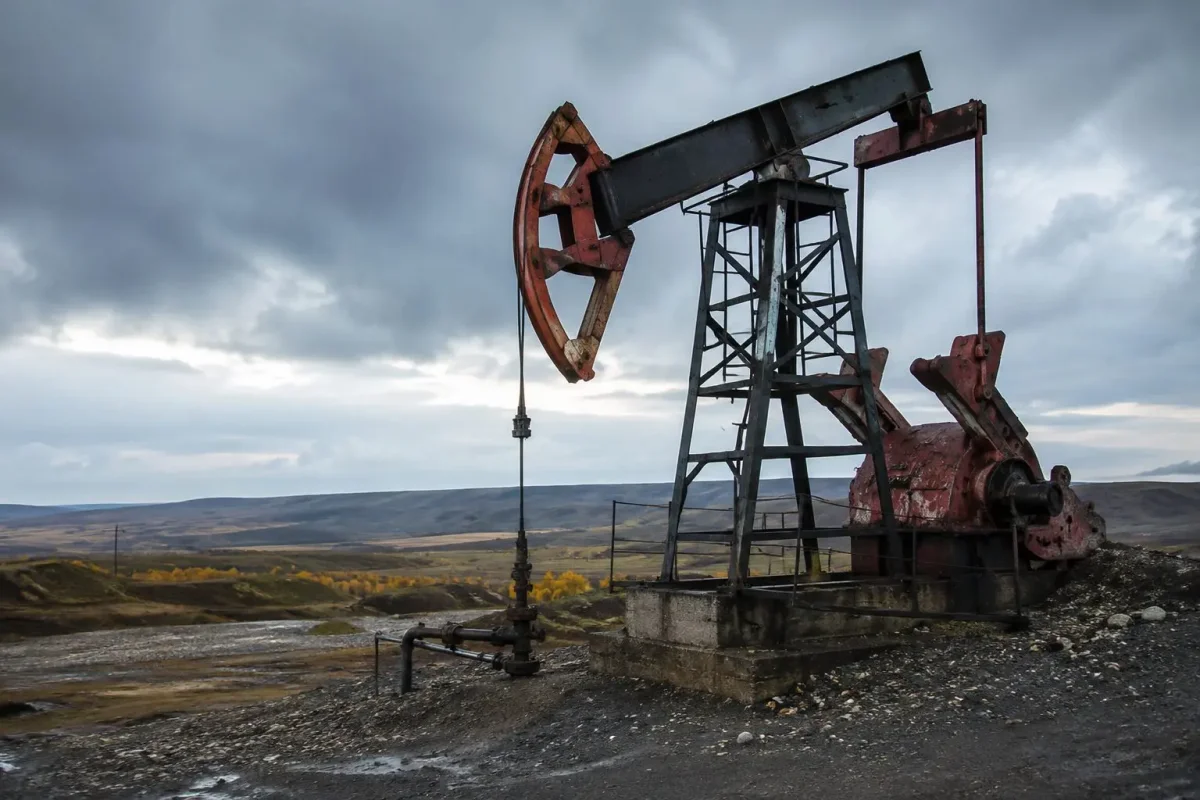
NEW YORK, July 19, 2026, 1:06 p.m. EDT — The S&P 500 is bracing for a volatile week as a sharp 16% rally in crude oil prices, driven by renewed geopolitical tensions with Iran and escalating inflation concerns, threatens to disrupt the equity market's recent stability.
Both Brent and West Texas Intermediate (WTI) crude benchmarks surged approximately 16% last week, while the S&P 500 fell 1.55%, highlighting a stark divergence. The energy rally comes as Gulf stock markets declined on Sunday, reacting to fresh attacks in the region linked to U.S.-Iran tensions.
Futures markets now indicate a roughly 15% probability of a Federal Reserve rate hike in July, with the likelihood rising to about 65% by September. This shift reflects growing expectations that the central bank may need to act to counter inflationary pressures from higher energy costs.
The primary paradox facing markets this week is that the oil price spike appears to reflect potential disruptions to shipping routes rather than an immediate supply shortfall. Tanker movements through key chokepoints have notably declined, with only three commodity tankers passing through the Strait of Hormuz on Thursday, the lowest count since May. Gulf exports remain 32% below their pre-war highs from February.
Despite the crude surge, the S&P 500 remains up 9% year-to-date in 2026, standing just 2% below its June peak. The absolute percentage move in crude was 10.3 times that of the S&P 500, illustrating the uneven market reaction to stress.
Key risks include potential military escalation. The U.S. conducted strikes for an eighth consecutive night following the deaths of two service members in Jordan, with one additional member still unaccounted for. Missiles and drones from Iran were intercepted over Kuwait and Bahrain on Sunday. Gulf markets reflected the unease: Qatar's main index dropped 1.5%, Bahrain's lost 1.2%, and Kuwait's slipped 0.4%, while Saudi Arabia's index ended unchanged.
Inflation data adds another layer of complexity. June consumer prices fell 0.4%, with annual inflation easing to 3.5%, helped by a 9.7% drop in gasoline prices. However, this data predates the recent oil price recovery. Producer prices dropped 0.3% in June but rose 5.5% year-over-year. Upcoming reports are expected to show a greater impact from energy costs. Cleveland Fed President Beth Hammack's early projection places June core PCE inflation at 3.3%.
Federal Reserve Chair Kevin Warsh emphasized that policymakers have 'no tolerance for persistently elevated inflation.' The policy rate remains at 3.50% to 3.75%. The corporate earnings season could either cushion or intensify the macroeconomic shock. Major companies including Alphabet (NASDAQ:GOOGL), Tesla (NASDAQ:TSLA), and Intel (NASDAQ:INTC) are scheduled to report this week. According to IBES estimates, S&P 500 earnings are expected to post 26% growth in the second quarter, leaving little room for disappointment.
Friday's trading reflected the expected sector division. Energy was the only S&P 500 sector to advance. The Nasdaq dropped 2.9% over the week, and the 10-year Treasury yield closed Friday at 4.554%. A rebound in yields driven by higher oil prices would pressure growth stocks on two fronts.
Risks move in both directions. A ceasefire or improved tanker flows could narrow crude's premium, while attacks on Gulf energy infrastructure or disruption to Red Sea flows could trigger a more abrupt repricing of stocks and bonds. The initial test on Monday will be whether Brent maintains its surge from Friday, with Treasury yields as the next focus. A climb in both could swiftly close the equity market's 10-to-one stress gap.