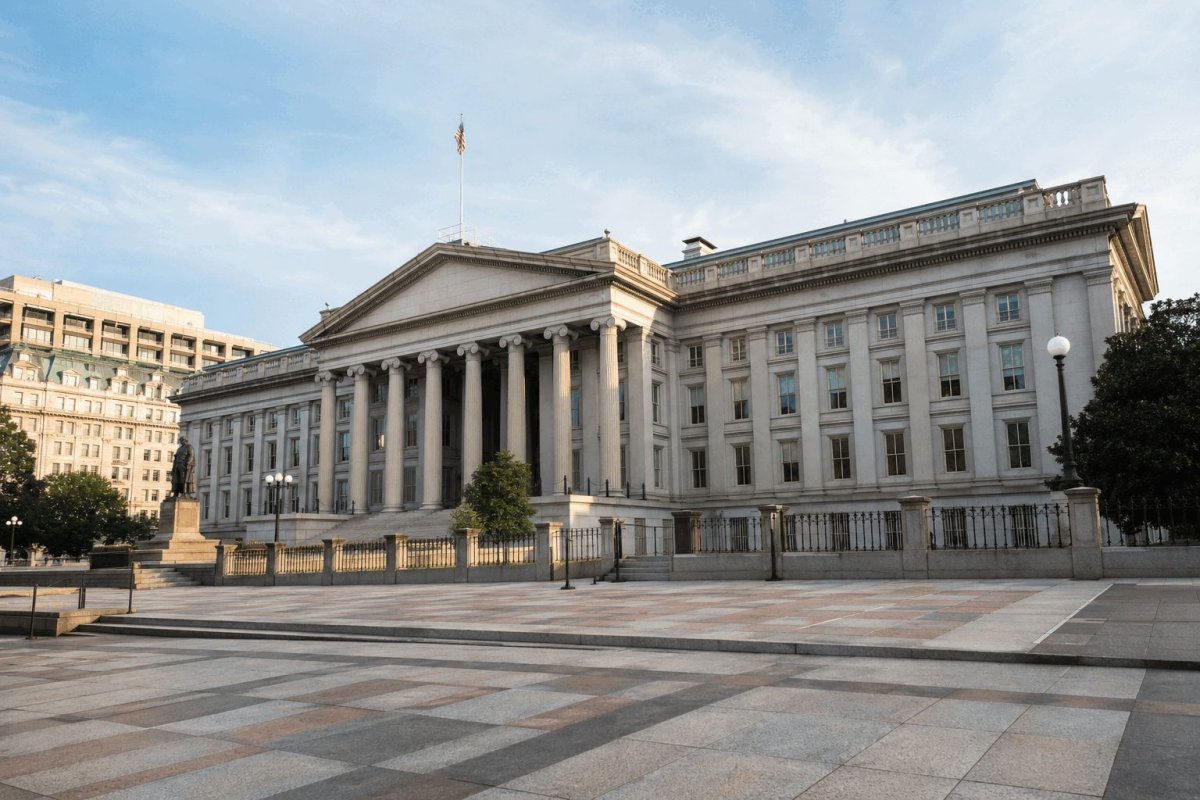
Billionaire investor Stanley Druckenmiller has voiced sharp criticism of the U.S. Treasury's decision to expand its long-dated bond buyback program, warning that the move risks eroding confidence in the world's most important debt market. Speaking on Tuesday, Druckenmiller argued that increasing the size of these operations to a minimum of $4 billion per auction could blur the line between providing liquidity and attempting to influence prices.
The Treasury announced that starting September 9, the maximum purchase amount for each buyback operation will rise from $2 billion to at least $4 billion. This represents a 100% increase in the cap and comes as the 30-year Treasury yield hovers near 5.21%, levels not seen since 2007. The expanded program will cover nominal coupon bonds with maturities between 10 and 30 years, running through November 4.
Druckenmiller, who has a long history of successful macro trades, emphasized that the scale of the buybacks is not the primary concern. Rather, it is the signal it sends to the market. "You can't buy your way out of a solvency conversation with liquidity tools," he said. His comments carry weight because investors' perceptions directly influence borrowing costs for mortgages, corporations, and the federal government.
The numbers put the issue in perspective. The new $4 billion cap equals 16% of the $25 billion 30-year auction held in August, but only 3.2% of the total $125 billion quarterly refunding. The Treasury's cash reserves, which stand at roughly $940 billion, dwarf any single buyback operation. This suggests the program's impact on market prices may be limited, but its timing could still affect investor behavior.
Treasury Secretary Scott Bessent has defended the program, reiterating that the standard auction schedule remains unchanged and that the operations are designed solely to provide liquidity support. "We haven't bought a single bond yet," he said on Monday, emphasizing the precautionary nature of the initiative.
Market reaction has been mixed. While bond yields slipped early Tuesday as oil prices declined, the long end of the curve remains under pressure. The 10-year yield was around 4.68%, and the 30-year yield close to 5.21% as of 06:27 EDT. The yield curve remains steeply sloped, with the spread between 30-year and 2-year yields at 99 basis points on Monday, only slightly narrower than the 100 basis points seen when the expanded buybacks were first announced on August 19.
Investors will be watching the initial buyback operations closely for signs of effectiveness. Key indicators include bid-ask spreads, auction concessions, and whether the program actually reduces volatility without depressing yields. A brief rally would not be sufficient to confirm sustained demand, especially given the light trading volumes typical of late summer.
Druckenmiller's warning underscores deeper concerns about fiscal sustainability. With the federal government running large deficits and interest costs rising, some market participants worry that the Treasury's actions could be seen as an attempt to manage yields rather than support market functioning. If that perception takes hold, it could lead to higher term premiums and reduced demand for long-dated bonds, ultimately raising borrowing costs across the economy.
For now, the Treasury maintains that its buyback program is a standard liquidity tool, not a form of price control. But as the program expands, the distinction may become harder to defend. The coming weeks will provide the clearest test of whether the market accepts the Treasury's assurances or begins to price in a credibility risk.