Eos Energy Enterprises (NASDAQ: EOSE) saw its shares retain a significant gain in premarket trading on Thursday, following the announcement of its first project with tech giant Google. The stock was trading at $3.58 as of 06:42 EDT, up 17.8% from Tuesday's close of $3.04, though slightly below Wednesday's closing price of $3.61.
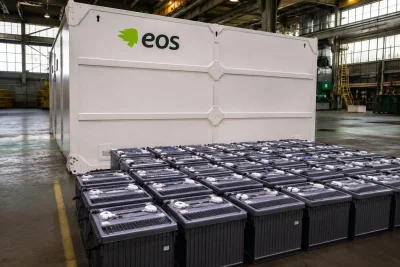
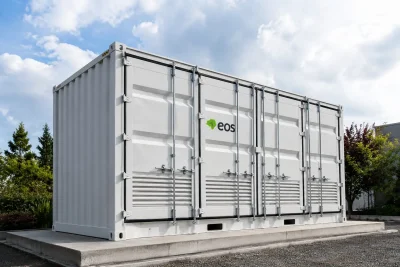
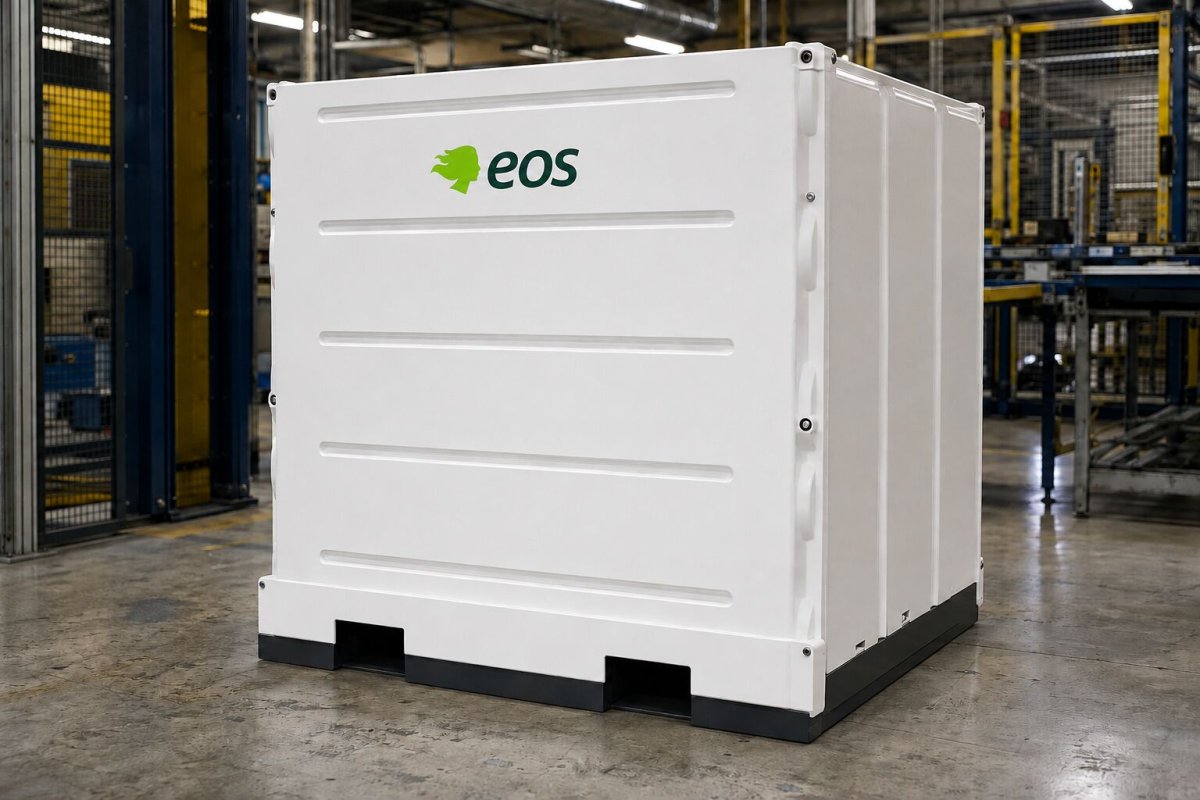
The rally comes after Eos revealed plans to supply a 100 MWh zinc-based battery storage system for a solar-plus-storage project in West Virginia. The project, developed by MN8 Energy, will combine 86 MW of solar generation with two storage systems: a 70 MW lithium-ion unit with 280 MWh capacity and Eos's 10 MW Z3 system with 100 MWh capacity, designed for ten-hour discharge. Google will purchase the energy, capacity, and clean-energy attributes from the facility.
While the deal marks a significant validation of Eos's technology, it represents only 2.9% of the company's total backlog of 3.4 GWh, which stood at $807 million as of June 30. Investors appear to be pricing in the strategic significance of landing a high-profile customer like Google rather than the immediate revenue impact, as the contract value was not disclosed.
Wednesday's trading saw Eos shares surge 18.75% to close at $3.61, with volume reaching 74.4 million shares—approximately 5.5 times Tuesday's turnover. The premarket session saw the stock fluctuate between $3.59 and $3.67 before settling lower.
Despite the positive news, the company faces significant financial challenges. Eos reported a negative gross margin of 71% in the second quarter, with a gross loss of $48.8 million. Operating cash use for the first half of 2026 reached $191.8 million. Additionally, a related-party project accounted for 80% of second-quarter revenue, highlighting concentration risks.
The company's revenue guidance for 2026 is $300 million to $350 million, implying that second-half revenue needs to reach between $174.3 million and $224.3 million—a substantial increase from the $125.7 million generated in the first half. This would require average quarterly revenue of $87.1 million to $112.1 million, a tall order given the current backlog.
Eos is in the process of consolidating battery manufacturing at its 432,000-square-foot Thorn Hill facility, which is expected to reduce conversion costs by 10% to 15% starting in 2027. The plant will have two production lines with a combined nameplate capacity of about 4 GWh.
Chief Commercial Officer Nathan Kroeker emphasized that the Z3 system "extends the value of clean generation across more hours," complementing the faster-discharge lithium-ion storage. However, the Eos system is not scheduled to begin operation until 2030, leaving room for potential delays in permitting, interconnection, financing, or manufacturing.
The Google deal provides a strong validation signal for Eos's technology, but the company still needs to prove it can convert its backlog into profitable revenue, diversify its customer base, and achieve positive gross margins. The stock's recent surge reflects optimism, but the fundamental challenges remain.