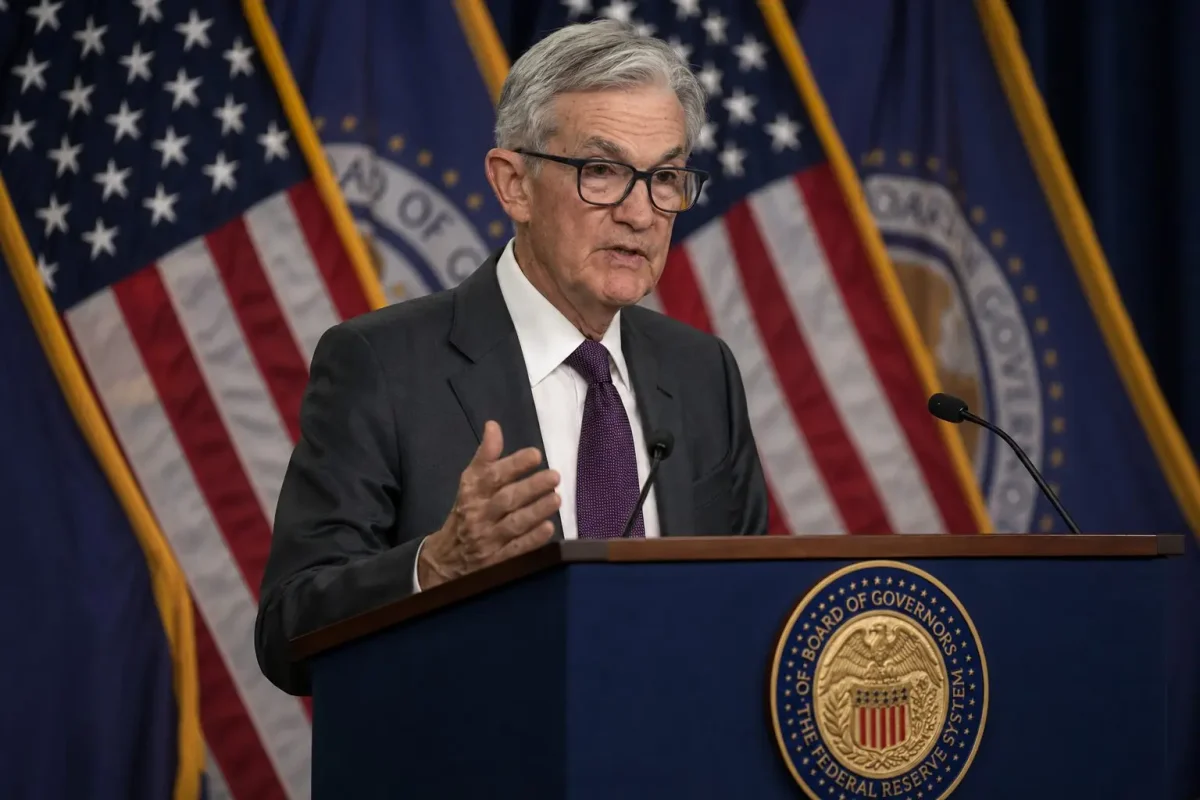
WASHINGTON, July 29, 2026, 10:00 EDT — Financial markets have recalibrated expectations for the Federal Reserve's next move, now pricing a high likelihood that the central bank will keep interest rates unchanged at its July meeting. According to CME Group data, the probability of a hold stands at 70.6%, while the odds of a quarter-point hike have fallen to 29.4%. This represents a significant shift from earlier in the week, when a rate increase seemed more probable.
Market Pricing and Implications
The implied probability of a 25-basis-point hike in July has dropped sharply, with traders now focusing on the September meeting as the more likely venue for action. September hike odds are currently at 76%, reflecting a market that sees the Fed's tightening cycle as delayed rather than abandoned. The split in probabilities implies just 7.4 basis points of tightening priced in for the July meeting, a relatively small amount that suggests a hold is widely expected.
However, the asymmetry of potential outcomes is notable. If the Fed were to surprise with a hike, it would deliver roughly 2.4 times the surprise of a hold, given market pricing. This asymmetry raises the downside risk for bonds and rate-sensitive equities, as a hawkish surprise could trigger a sharp repricing.
Inflation and Oil Dynamics
The inflation backdrop remains mixed. June consumer price index data showed headline inflation slowing to 3.5% from 4.2% in May, while core CPI, which excludes food and energy, eased to 2.6% from 2.9%. These figures suggest some progress on the inflation front, but not enough to rule out further tightening.
Meanwhile, oil prices have surged, with Brent crude jumping 6.8% to $89.79 per barrel following renewed strikes in the Middle East. This spike in energy costs could reignite inflationary pressures, complicating the Fed's decision-making. A sustained oil shock might force the central bank to accelerate its tightening timeline, while a ceasefire or weaker economic data could unwind the September hike trade.
Fed Officials and Political Pressure
Fed Chair Kevin Warsh has kept markets guessing by maintaining a no-guidance policy, making the vote count at the July meeting particularly important. Cleveland Fed President Beth Hammack and Dallas Fed President Lorie Logan are expected to favor a hike, and their potential dissents could signal a stronger case for September action if additional policymakers join them.
The political dimension adds another layer of complexity. President Donald Trump has publicly pressed for lower interest rates, blaming the Fed's board for resisting cuts. This external pressure may influence the central bank's communication strategy, though Warsh has so far stuck to his data-dependent approach.
Expert Views and Market Reactions
Analysts remain divided on the likely outcome. Krishna Guha of Evercore ISI believes the Fed will probably not hike in July, arguing that September offers a cleaner path for action. In contrast, Neil Dutta of Renaissance Macro advocates for a preemptive hike, suggesting it's better to act early than to be forced into a larger move later.
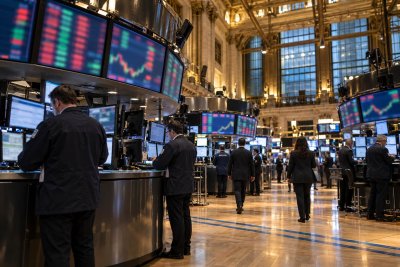
U.S. stock markets opened slightly lower on Wednesday, with the Dow Jones Industrial Average, S&P 500, and Nasdaq Composite each down about 0.14% or less. The muted reaction suggests investors are largely positioned for a hold, but the potential for a hawkish surprise remains.
Looking Ahead
The next major test for markets comes Thursday, with the release of June personal consumption expenditures inflation data and second-quarter GDP figures. These reports will provide further clues on the economy's trajectory and the Fed's likely path. For now, the message from markets is clear: tightening is delayed, not abandoned, and the September meeting looms large as the next potential pivot point.