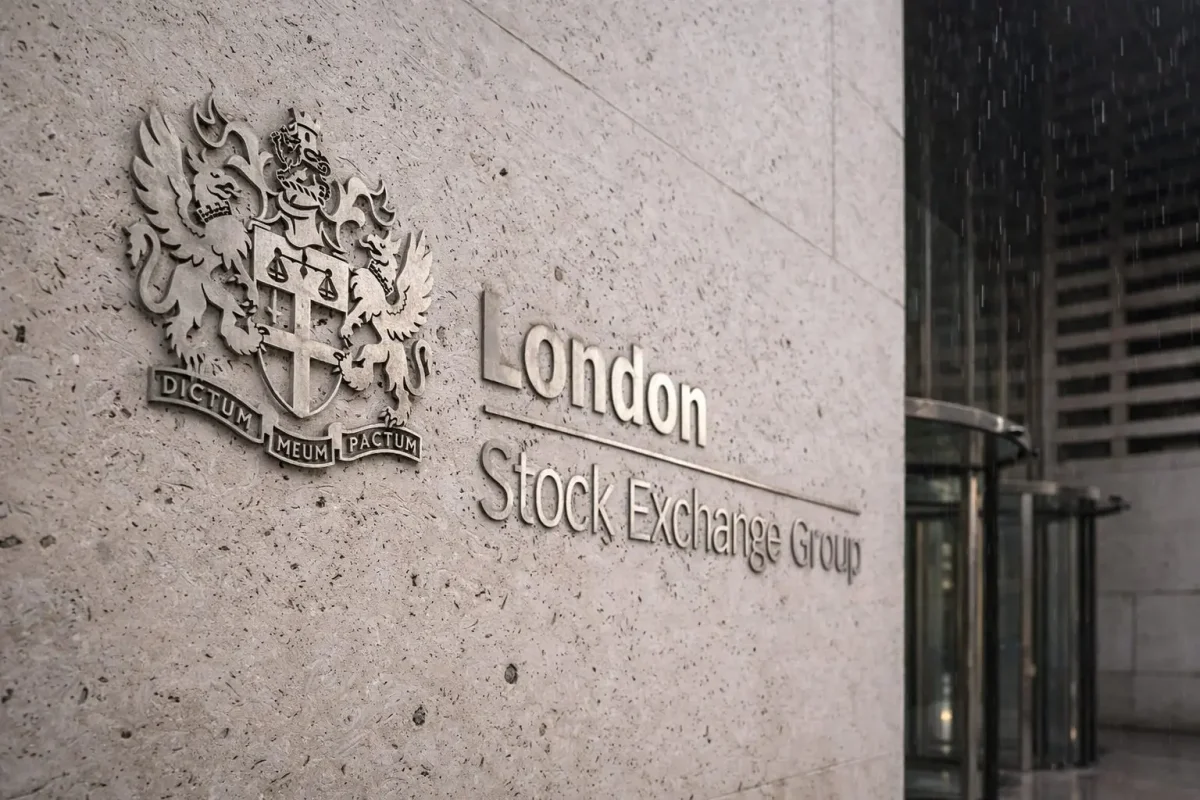
London's equity markets endured a brutal sell-off this week, with the FTSE 100 blue-chip index recording its most significant weekly decline in nearly a year. The benchmark fell 5.7% over the five-day period, marking its worst performance since the tariff-induced slump of April 2025. The selling pressure intensified on Friday, with the FTSE 100 closing down 1.2% at 10,284.75, while the mid-cap FTSE 250 index retreated 0.8%.
Oil Shock Upends Rate Cut Calculus
The primary catalyst for the downturn was a sharp spike in crude oil prices, which breached the $90 per barrel threshold. This surge, fueled by escalating geopolitical tensions disrupting key shipping lanes like the Strait of Hormuz, has dramatically altered the interest rate outlook. Money markets have rapidly scaled back expectations for monetary policy easing, with traders now assigning only a minimal probability to a Bank of England rate cut in March. Analysts warn that persistently high energy prices pose a significant risk of reigniting inflationary pressures, potentially keeping central banks on hold for longer.
"The rush for the exits that began on Monday has accelerated over the last 48 hours," noted Chris Beauchamp, chief market analyst at IG. He highlighted that climbing oil prices have made the prospect of imminent rate cuts appear increasingly remote, forcing a broad market repricing.
Sector Performance Diverges Sharply
The market reaction was highly bifurcated. The energy sector provided the sole bastion of strength, with oil majors Shell and BP advancing approximately 2% on Thursday, buoyed directly by the rise in crude. In contrast, sectors sensitive to consumer spending and higher input costs were hammered. Airlines bore the brunt of the selling; Wizz Air plummeted 11.3% after warning of a €50 million net profit impact from war-related disruptions. EasyJet retreated 5%, and International Airlines Group, the parent of British Airways, slipped 3.6%.
Mining stocks also came under pronounced pressure amid concerns over global economic growth, while homebuilders and consumer goods firms like Taylor Wimpey and Reckitt traded lower following cautious outlook statements.
Broader Market Contagion
The sell-off was not confined to the UK. The pan-European STOXX 600 index slumped 5.5% for the week, its steepest decline in almost a year. Major bourses in Frankfurt and Paris similarly logged their worst weekly performances since April of the previous year, indicating a region-wide risk-off sentiment driven by the same cocktail of oil prices and economic uncertainty.
Kristina Hooper, chief market strategist at Man Group, suggested the conflict driving oil prices appears likely to persist, raising fundamental questions about the ability of central banks, including the U.S. Federal Reserve, to lower borrowing costs in the current environment.
Outlook Hinges on Geopolitics and Data
The immediate path for markets appears inextricably linked to geopolitical developments. Goldman Sachs analysts have warned that Brent crude could spike above $100 per barrel as early as next week if flows through the Strait of Hormuz remain severely hampered, currently estimated at roughly 10% of normal levels. A de-escalation or clearing of shipping lanes could quickly reverse the oil rally and revive rate-cut hopes.
Attention now turns to a packed schedule of UK corporate earnings beginning March 9, with reports due from Persimmon, Legal & General, and others. Investors will scrutinize these updates for insights into cash returns, underlying demand trends, and companies' pricing power following the market's violent repricing. The dramatic reversal from the FTSE 100's record highs in late February underscores the fragility of the recent rally and how swiftly sentiment can deteriorate when confronted with external shocks.