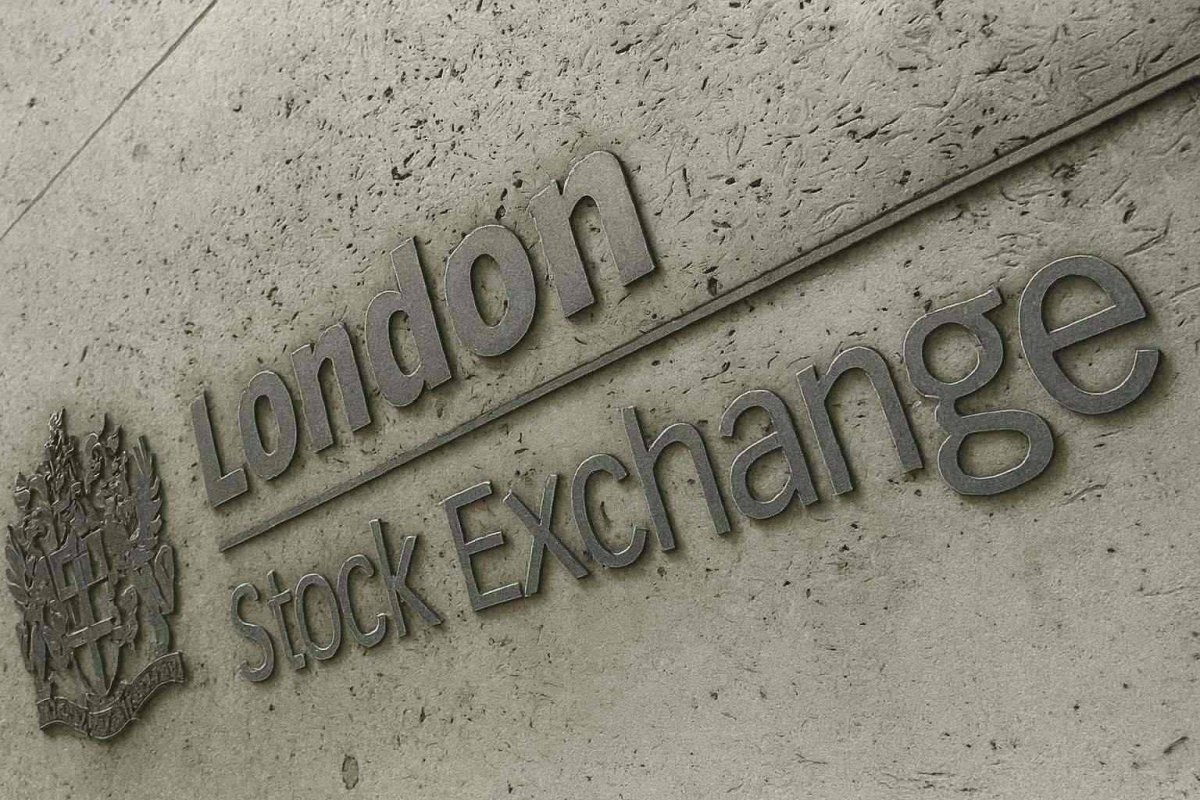
The UK's benchmark FTSE 100 index traded in a tight range on Thursday, hovering close to the 10,600 level. This followed a substantial 2.5% surge the previous day, which propelled the index to its highest closing point since March 2 at 10,608.9. The mid-cap FTSE 250 outperformed significantly on Wednesday, jumping 4.1% to its strongest finish since March 11.
European Markets Divergence and Oil's Volatile Swing
While London's main index showed resilience, continental European markets faced selling pressure. Germany's DAX index fell 1.3%, and France's CAC 40 declined 0.7%, with losses widespread across industrial, travel, banking, and technology sectors. The pan-European STOXX 600 index eventually slipped into negative territory. The FTSE 100's relative strength was tested as the session progressed.
The primary catalyst for market volatility remained the geopolitical situation in the Middle East. The rally on Wednesday was fueled by U.S. President Donald Trump's late-Tuesday announcement of a two-week ceasefire with Iran, which initially sent oil prices tumbling. However, by Thursday, skepticism over the durability of that agreement triggered a sharp reversal. Brent crude futures rebounded toward $98 per barrel, renewing inflation concerns for energy-importing European economies.
Sector Rotation and Market Sentiment
This oil price swing drove a notable sector rotation. Wednesday's gains were led by banks, travel companies, and homebuilders, while oil majors BP and Shell lagged. On Thursday, the momentum shifted as the energy sector in Europe posted a 0.9% gain. Kathleen Brooks, research director at XTB, noted, "Volatility remains stable, but the impulse is to backtrack on some of Wednesday's moves." Market participants remain intensely focused on the safety of tanker passage through the Strait of Hormuz, a critical chokepoint for roughly one-fifth of global oil and liquefied natural gas shipments.
Domestic Focus: Housing and Inflation Pressures
Domestically, the Bank of England released its quarterly Credit Conditions Survey. It revealed that demand for house-purchase mortgages was flat in the first quarter of 2026 but that lenders anticipate an uptick in the second quarter. Remortgaging activity is also expected to increase.
However, the UK economy continues to face significant inflationary headwinds. A separate report indicated British builders experienced their steepest monthly surge in cost inflation in March since records began in 1997. Tim Moore of S&P Global Market Intelligence described the near-term outlook as "challenging." Service sector companies are also grappling with their fastest input cost growth since 2021.
Policy Implications and Central Bank Watch
These persistent cost pressures keep rate-sensitive sectors like banks and homebuilders in focus, as their share prices react swiftly to shifting interest rate expectations. Prashant Newnaha, a senior rates strategist at TD Securities, suggested central banks would be on "high alert" for any risk that the ongoing supply shock begins to push up longer-term inflation expectations.
The UK government is also actively monitoring the situation. Foreign Secretary Yvette Cooper stated that Britain aims to coordinate with shipping, insurance, and energy groups to bolster confidence in the security of the Strait of Hormuz. She advocated for the strait to remain toll-free and expressed a desire to see the current ceasefire expanded to include Lebanon.
Market Outlook Hinges on Geopolitics
The path for UK equities appears directly tied to developments in the Middle East. Should ceasefire talks hold and tanker traffic through the Strait of Hormuz normalizes, the sectors that led Wednesday's charge—travel, banks, and homebuilders—could see further strength. Conversely, a breakdown in the truce, potentially sending Brent crude back above $100 per barrel, could see the recent relief rally in UK stocks evaporate just as quickly as it arrived. The fragile balance between geopolitical optimism and energy-driven inflation fears continues to define market sentiment.