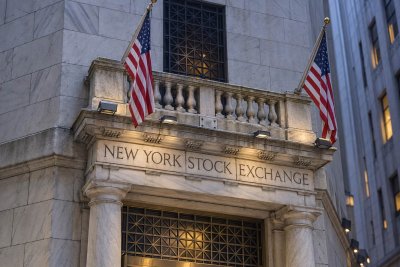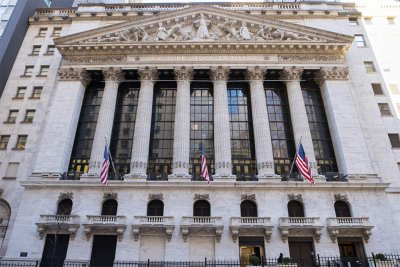
U.S. stock index futures traded higher Thursday morning, signaling a positive open on Wall Street as technology shares rebounded from Wednesday's selloff. The move was driven by a surge in Intel shares after President Donald Trump announced that Apple plans to partner with the chipmaker for U.S. chip design and manufacturing.
Around 5:28 a.m. ET, Dow Jones Industrial Average futures rose 261 points, or 0.50%, while S&P 500 futures added 0.81% and Nasdaq 100 futures jumped 1.44%. The Russell 2000 index of small-cap stocks gained 1.09%.
Intel Leads Tech Rally
Intel shares jumped 9.3% in premarket trading following Trump's statement that Apple will collaborate with Intel on chip design and manufacturing in the United States, according to Reuters. The news sparked a broader rally in chip stocks, with Nvidia adding 1%, and Micron and Marvell each gaining roughly 4%.
The Apple-Intel deal refocuses attention on supply-chain dynamics. Apple is a major customer of Taiwan Semiconductor Manufacturing Co. (TSM), which produces key AI chips for Nvidia and Advanced Micro Devices. A new Apple contract could lock in additional demand for Intel, giving a boost to its manufacturing arm, which has trailed TSMC in the foundry market.
Fed Caution Lingers After Hawkish Meeting
The rally comes after a sharp decline on Wednesday, when the Dow fell 507.12 points (0.98%), the S&P 500 lost 1.21%, and the Nasdaq Composite dropped 1.34%. The selloff followed the Federal Reserve's decision to hold its benchmark overnight rate at 3.50%-3.75%, while projections indicated policymakers see a possibility of a rate hike later this year.
Kevin Warsh, leading his first Fed meeting as chair, pulled back on signaling where rates might go next. Mark Haefele, chief investment officer at UBS Global Wealth Management, noted that the combination of a new chair, hawkish forecasts, and internal disagreement within the Fed suggests near-term action is less likely and rates could remain on hold for longer.
Oil Prices Fall, Easing Inflation Worries
Oil prices declined, supporting market sentiment. West Texas Intermediate crude futures slipped 2.64% to $74.76 a barrel, while Brent crude lost 2.02% to $77.94. The 10-year Treasury yield edged down to 4.441%. Lower oil prices can help reduce inflation pressures by lowering transportation, production, and consumer costs.
Economic Data Shows Resilient Consumer Spending
U.S. retail and food services sales rose 0.9% in May compared to April and are up 6.9% from May 2025, according to the Census Bureau. The data suggests consumers continue to spend despite rising prices, providing a supportive backdrop for the economy.
Despite the positive futures, some analysts caution that the rally could lose steam when cash trading opens. Uncertainty about Warsh's Fed policy stance and the potential for oil prices to rise again if Middle East tensions escalate could put rate-hike risks back in play. Regional banks and housing-related stocks already felt pressure from higher rates on Wednesday.
With markets closed Friday for the Juneteenth holiday, liquidity may be lighter than usual ahead of the long weekend. Trading on the New York Stock Exchange is set to open at 9:30 a.m. ET.