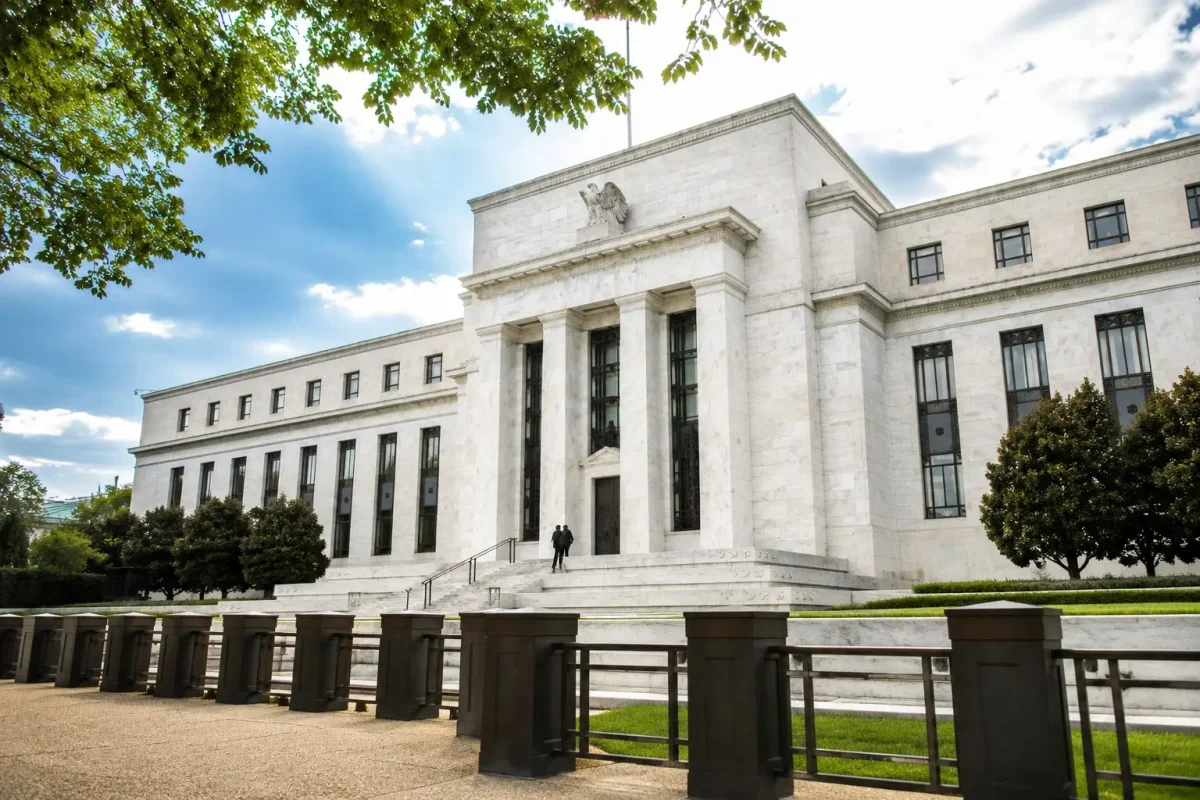
Wall Street futures pointed to a strong open on Monday, with investors shrugging off last week's inflation concerns and turning their attention to the Federal Reserve's June policy meeting, the first under new Chair Kevin Warsh. Dow Jones Industrial Average futures added 0.94%, S&P 500 futures gained 1.29%, and Nasdaq 100 futures surged 2.2%, reflecting broad-based optimism.
The rally was fueled by a sharp drop in crude oil prices after Washington and Tehran reached a preliminary agreement to end the Iran war and reopen the Strait of Hormuz. Crude fell more than 4% to a three-month low, providing relief to equity markets by reducing inflationary pressure. Lower oil prices can ease bond yields and support growth stock valuations, particularly in rate-sensitive sectors.
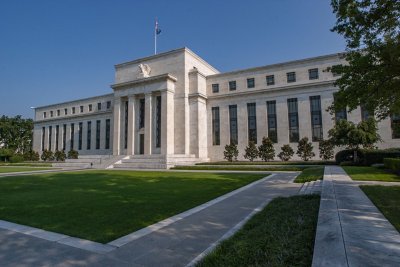
Market participants are now focused on the Federal Open Market Committee's two-day meeting on June 16–17, where the Fed is widely expected to hold its federal funds rate steady at 3.50% to 3.75%. According to the CME FedWatch Tool, the probability of no rate change stands at 98.5%. Meanwhile, Reuters reported that the market has cut the probability of a December rate hike to about 50%, down from over 70% last week, as lower oil prices tempered inflation concerns.
However, the relief rally does not mean risks have vanished. May's consumer price index climbed 4.2% year-over-year, while core CPI, which excludes food and energy, rose 2.9%. Producer prices were up 1.1% in May and 6.5% over the past year. These figures give bears ammunition to argue that inflation remains stubbornly above the Fed's 2% target. If inflation sticks, Chair Warsh may not be able to strike a dovish tone, and any signal that the Fed is prepared to maintain higher rates for longer could hit technology and AI stocks particularly hard.
The labor market also shows no signs of weakening. Nonfarm payrolls rose by 172,000 in May, and the unemployment rate held steady at 4.3%, according to the Bureau of Labor Statistics. This suggests the Fed is under no pressure to cut rates anytime soon.
Bulls point to several positive indicators: lower oil prices, a decline in the two-year Treasury yield (which fell 7 basis points to a two-week low), and a drop in the Cboe Volatility Index (VIX) to 16.66. These factors give the Fed some breathing room. If Wednesday's statement avoids a clear tightening hint and Warsh maintains a cautious tone in his first press conference, stocks could extend their gains, especially growth stocks and sectors like airlines and cruise lines that benefit from cheaper fuel.
Traders are looking to Wednesday's 2 p.m. ET release from the Federal Open Market Committee for the next major market catalyst. The policy statement will be followed by Chair Warsh's press conference at 2:30 p.m. ET, along with updated economic projections. The June meeting includes the Summary of Economic Projections, so this is not a typical pause. Markets will be watching closely to see if the Fed drops its previous easing bias, adjusts the “dot plot” for 2026 rates, or if Warsh signals any shift in tone.
U.S. stocks currently appear more fairly valued than cheap. While bulls highlight lower oil, a Fed pause, and steady earnings forecasts, inflation remains well above the central bank's 2% target, and the labor market has not cracked. Markets have been quick to price out rate hikes on any positive headline, but they could reverse sharply if Warsh signals that a rate hike is still possible. The coming days will be critical for determining the near-term direction of equities.