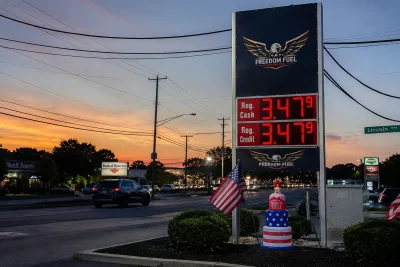
The recent spike in U.S. gasoline prices has captured the attention of drivers and investors alike, with two prominent fuel-tracking services reporting sharp increases, albeit with slightly different national averages. The divergence between AAA and GasBuddy highlights the complexities of measuring fuel costs in a country with vast regional variations.
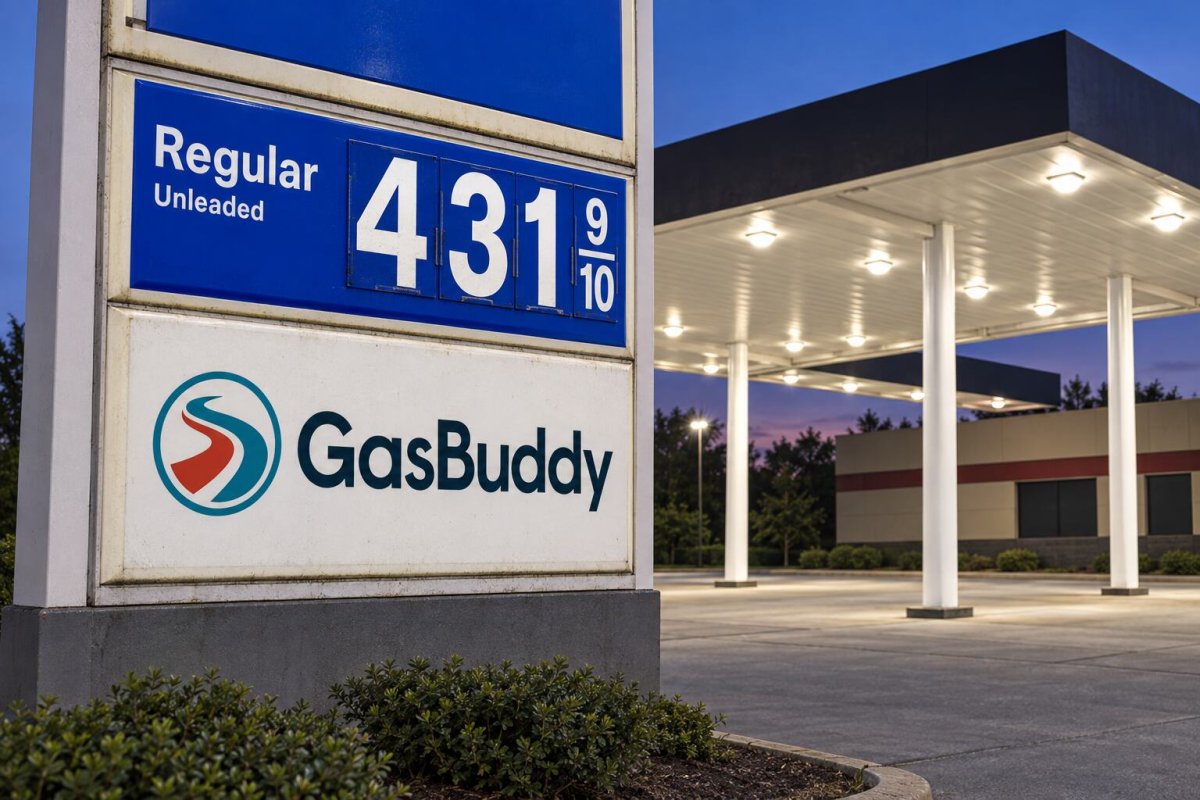
According to AAA, the national average price for regular gasoline stood at $4.3163 per gallon on Tuesday, September 15, 2026, with diesel at $6.2694. Meanwhile, GasBuddy's tally, also released Tuesday, placed the national gasoline average near $4.25, reflecting a jump of 17.2 cents from the previous week. While these figures differ, both point to a rapid escalation at the pump, driven by rising crude oil prices and seasonal demand.
For consumers, the discrepancy between the two trackers is more than a statistical curiosity. GasBuddy, which is not publicly traded but owned by PDI Technologies, relies on user-generated price reports from over 150,000 retail locations. With 12 million monthly active users and more than 3 billion price reports collected, GasBuddy offers a granular, real-time view of prices. However, its methodology—which depends on voluntary submissions—can lead to variations compared with AAA's more curated data. As a result, a national average from GasBuddy may not perfectly align with AAA's figure, but both reflect the same underlying trend.
For investors, the more significant question is how rising fuel prices will impact fuel retailers like Murphy USA (NYSE: MUSA). The company, which operates a chain of gas stations, reported a retail fuel margin of 35.1 cents per gallon in the second quarter, up from 27.1 cents a year earlier. Including product-supply and wholesale activities, total fuel contribution rose to 40.6 cents per gallon from 32.0 cents. Retail gallons sold increased 3.9%, while same-store fuel volumes edged up 0.5%, according to the company's July 29 earnings release.
These figures illustrate that a price surge is not necessarily bad news for fuel retailers. When wholesale prices rise rapidly, pump prices may adjust at a different pace, creating short-term margin opportunities. Murphy USA's management has used a 35-cent-per-gallon retail-margin assumption for the second half of the year in its outlook, and the recent surge will test whether that assumption proves accurate. If the company can maintain or exceed that margin while sustaining volumes, the price spike could bolster its earnings.
However, there are offsetting factors. Higher fuel prices increase card-processing fees, which are tied to transaction dollar values. Murphy USA noted that this effect accounted for roughly two-thirds of its second-quarter operating-expense increase. Additionally, sustained $4-plus gasoline could discourage driving, reduce trip frequency, and curb in-store spending, where merchandise contribution reached $227.4 million last quarter. These dynamics could erode the benefits of higher margins.
The next earnings report will be crucial for investors. Rather than focusing solely on the national average price, they should monitor Murphy USA's realized cents-per-gallon margin, same-store gallons, and merchandise sales in tandem. A margin gain accompanied by stable volumes would support the thesis that the retailer can manage volatility. Conversely, higher pump prices paired with falling gallons and rising payment costs would make the surge less valuable than the headline suggests.
In the broader market context, the fuel price spike is part of a larger trend of rising energy costs, which could have implications for consumer spending and inflation. While retailers like Murphy USA may benefit in the short term, the long-term impact depends on how consumers respond to sustained high prices. The divergence between AAA and GasBuddy serves as a reminder that national averages mask local realities, and for both drivers and investors, the details matter.