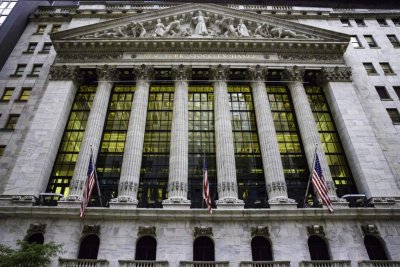
Global financial markets opened the week under significant pressure as escalating geopolitical risks in the Middle East triggered a sharp surge in crude oil prices, casting a shadow over oil-importing economies. The immediate fallout was most pronounced in Indian equities, where benchmark indices signaled a steep decline at the opening bell.
Indian Markets Brace for Impact
The benchmark S&P BSE Sensex and NSE Nifty 50, which had closed the previous Friday at 77,550.25 and 24,050.60 respectively, were indicated to open nearly 1.4% lower based on early futures trading. The primary catalyst was the failure of diplomatic talks between the United States and Iran, which collapsed after 21 hours of negotiations in Pakistan. This breakdown reignited fears of a prolonged regional conflict, directly impacting energy markets.
Oil Price Shock and Broader Market Reaction
Brent crude oil prices skyrocketed, breaching the $100 per barrel threshold and climbing as high as $105. The surge was exacerbated by an announcement from U.S. President Donald Trump concerning a naval blockade of the Strait of Hormuz, a critical chokepoint for global oil shipments. This one-two punch of diplomatic failure and military posturing sent shockwaves through commodity markets.
The ripple effects were felt across Asian bourses, which opened uniformly lower reflecting a broad "risk-off" sentiment among global investors. U.S. stock futures also traded down by nearly 1%, indicating a weak opening on Wall Street. The fears center on the potential for sustained higher oil prices to fuel global inflation, disrupt supply chains, and force central banks to maintain restrictive monetary policies.
Deep Losses for Sensex and Nifty
As trading commenced, the losses materialized forcefully. The Sensex plummeted by over 1,400 points, or 1.82%, to trade around 76,135. The Nifty 50 followed suit, shedding approximately 407 points to 23,643. Selling pressure was broad-based, with notable declines in energy sector stocks like Oil and Natural Gas Corporation (ONGC) and major power entities, alongside weakness in steel shares.
The Indian rupee weakened considerably against the U.S. dollar, falling to 93.35, as traders priced in the negative impact of higher crude import costs on the country's current account deficit and inflationary outlook. Analysts warned that the dual pressures of imported inflation and currency depreciation could challenge the Reserve Bank of India's policy trajectory.
Contrasting Investor Activity
Despite the market turmoil, recent flow data presented a nuanced picture. Foreign Institutional Investors (FIIs) were modest net buyers as of April 10, purchasing Indian equities worth Rs 672 crore. Domestic institutional investors complemented this with buying of Rs 410 crore. Market experts caution, however, that this supportive flow could quickly reverse if geopolitical tensions persist, leading to heightened market volatility and a potential retreat of foreign capital.
Corporate News in Focus
Amid the macro-driven selloff, specific corporate developments garnered attention. Telix Pharmaceuticals saw its shares surge 13.1% on the Australian Securities Exchange after announcing a major 50/50 global partnership with Regeneron Pharmaceuticals to co-develop next-generation cancer radiopharmaceuticals. The deal includes a $40 million upfront payment and potential milestones and royalties up to $2.1 billion.
In the UK, insurer Aviva PLC received a cautious price target increase to 765 pence per share from Deutsche Bank, reflecting a focus on margin execution and dividend sustainability. The company also announced a £300 million share buyback program. Meanwhile, analysis from Simply Wall St suggested shares of Arista Networks, which have gained 103% over the past year, are trading near their fair value estimate of $152.40.
Waratah Minerals, another ASX-listed company, reported a strong cash position of AU$29 million with no debt, despite a 319% share price rise over the past year without generating revenue. Its cash runway is estimated at 2.3 years based on current expenditure.
The confluence of geopolitical strife and its translation into commodity price shocks has abruptly shifted market focus from corporate fundamentals to macro risk assessment. Investors are urged to exercise caution as the situation develops, with energy prices and diplomatic headlines likely to dictate short-term sentiment across global equity and currency markets.