London, July 13, 2026 – Glencore plc (LON:GLEN) edged up 0.5% to 513.1 pence by midday Monday, outperforming a 0.2% decline in the FTSE 100, as Brent crude surged over 3% following renewed U.S.-Iran hostilities. Despite this uptick, the stock remained 0.1% below its July 3 close—a net move of virtually zero after six sessions of sharp reversals.
Volatility Without Direction
Adding the absolute daily percentage changes from July 6 through July 13 yields a cumulative swing of 10.35 percentage points, while the net change over that period was a mere -0.10%. This highlights a period of intense volatility without any sustained trend, leaving the share price essentially flat.
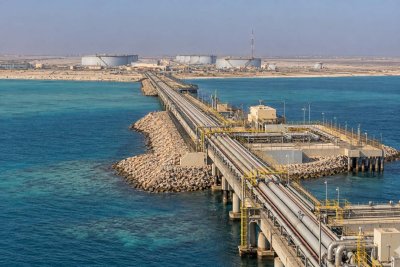
The key near-term variable is the Strait of Hormuz. Vessel traffic through the chokepoint fell to a five-week low on Sunday, with only six ships crossing. Before the conflict, the strait carried roughly one-fifth of the world's daily oil and liquefied natural gas supply. UBS analyst Giovanni Staunovo noted that the market is pricing in both a risk premium and disruption risk, reflecting uncertainty over supply.
Dual Business Model Under Pressure
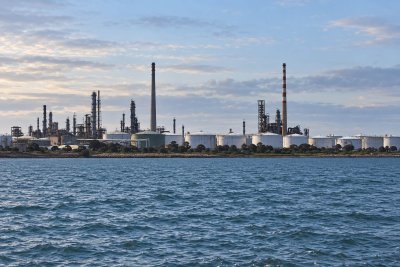
Glencore’s unique position as both a miner and commodity trader means its earnings are exposed to opposing forces. Its marketing arm can benefit from wider price spreads and disrupted transport routes, while its industrial operations—mines and smelters—face higher costs for diesel, sulphuric acid, and freight. These industrial costs were already rising in April, according to Reuters.
This two-sided earnings mix sets Glencore apart from pure-play miners like Rio Tinto and Anglo American, whose portfolios focus on produced materials such as iron ore, copper, and aluminium. For investors, Glencore’s oil exposure is not a simple energy bet; it is a contest between trading gains and industrial costs.
Production Targets and Earnings Outlook
CEO Gary Nagle stated that first-quarter marketing performance would put full-year adjusted EBIT “comfortably exceeding the top end” of the company’s long-term $2.3 billion-to-$3.5 billion range. However, production estimates for the second quarter imply significant challenges, particularly in steelmaking coal. Based on the midpoint of annual guidance and the stated first-half weighting, second-quarter steelmaking coal output would need to rise nearly 17% from the first quarter, compared to just 2% for copper. A miss would not automatically break annual guidance, but it would shift more pressure to the second half.
Key Dates and Scenarios
Glencore will release its half-year production report on July 29 at 7 a.m. UK time, followed by financial results on August 5. The production report will reveal whether second-quarter volumes met the implied hurdles; the financial results will show whether marketing profit outpaced cost inflation.
The balance could tip in either direction. A quick restoration of Hormuz traffic could strip oil’s risk premium and narrow trading opportunities, while prolonged disruption could lift diesel, acid, and freight costs faster than marketing profit. The downside case is a cost squeeze combined with delayed production, leaving less time for recovery later in 2026.
For now, the share price suggests that benefits and costs nearly cancel out. The volatility is real, but a lasting valuation gain remains elusive. The July 29 production report will test whether the market’s current neutrality is too cautious or about right.