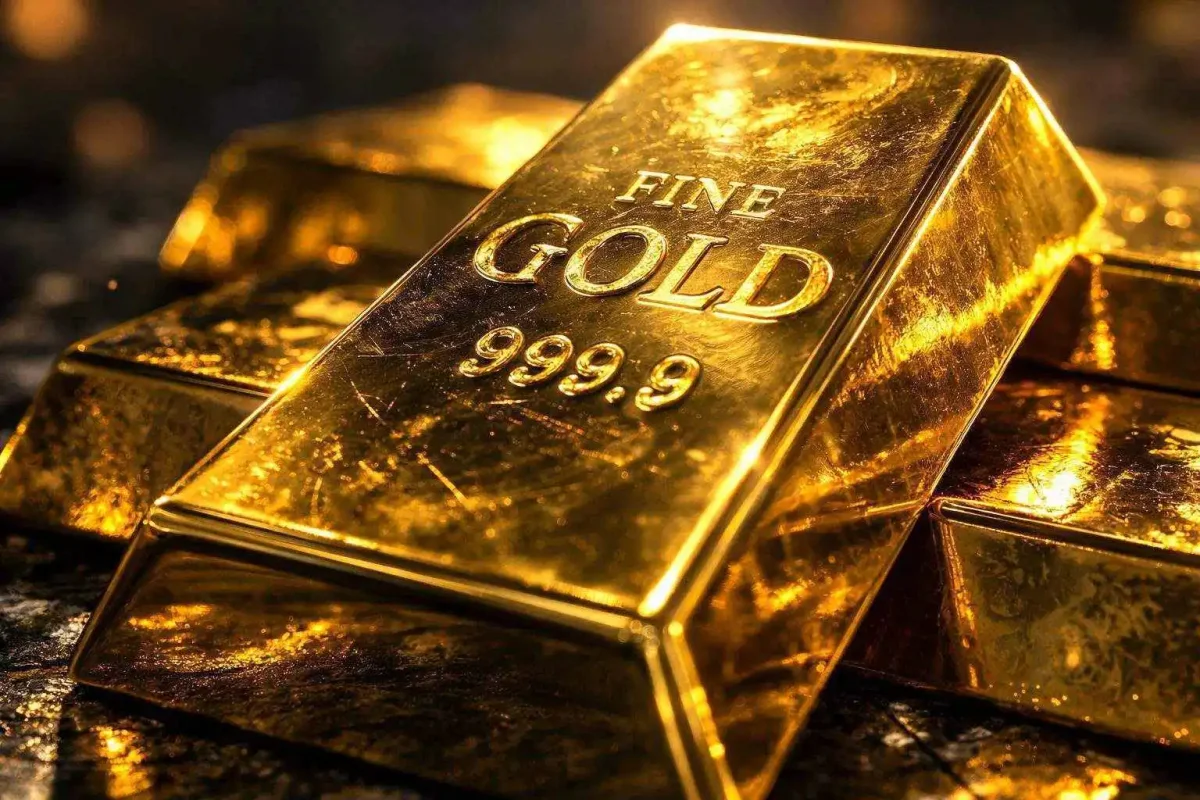
Precious metals faced a severe selloff on Monday, with gold prices collapsing to their lowest point of 2026. Spot gold for immediate delivery plunged 5.8% to $4,226.16 per ounce by 0633 GMT, marking its weakest level since December 11 of the previous year. U.S. gold futures for April delivery experienced an even steeper decline, tumbling 7.5% to $4,231.80.
A Shift in Monetary Policy Expectations
The dramatic drop is primarily attributed to a fundamental pivot in market expectations regarding global interest rates. Instead of anticipating rate cuts, traders are now positioning for potential hikes by the Federal Reserve and other major central banks before the end of the year. The U.S. 10-year Treasury yield recently reached 4.415%, diminishing the appeal of non-yielding assets like gold. This hawkish sentiment has been echoed by the European Central Bank, the Bank of England, and the Bank of Japan in their recent policy communications.
A Sustained Downtrend and Broad Sector Weakness
Gold's decline is not an isolated event. The metal has now fallen for nine consecutive trading sessions. Last week's plunge exceeded 10%, representing the most severe weekly drop since February 1983. From its all-time high of $5,594.82 per ounce set on January 29, the price has now retreated more than 20%. The weakness permeated the entire precious metals complex. Silver prices sank 8.9%, platinum dropped 9%, and palladium declined 5.2% as investors systematically reduced exposure to the sector.
Tim Waterer, chief market analyst at KCM Trade, highlighted the shift in sentiment. "Expectations have pivoted from rate cuts to potential rate hikes," he noted, adding that the ongoing conflict involving Iran, now in its fourth week, is a contributing factor. Waterer also pointed out that gold's high market liquidity is currently working against it, as investors liquidate positions to cover margin calls in other assets during a broad risk-off move.
Stagflation Fears and the Energy Crisis
The market backdrop is characterized by a potent mix of inflationary pressures and growth concerns. The U.S. dollar index edged up 0.29%, while major Asian stock markets fell. Crude oil prices remained elevated above $110 per barrel due to the effective closure of the Strait of Hormuz, a critical chokepoint for global oil shipments. Investors are interpreting this combination—strong oil, a firm dollar, and weak equities—as a potential stagflation signal, which fuels expectations for tighter financial conditions and limited monetary easing.
The energy crisis is deepening significantly. Fatih Birol, the head of the International Energy Agency (IEA), stated the current situation is more severe than the oil shocks of the 1970s, noting that conflict has removed 11 million barrels per day from global supply. The IEA is in discussions with governments about tapping strategic petroleum reserves again, following a previous release of 400 million barrels.
Gold's Fate Tied to Geopolitics and Oil
The immediate future for gold prices remains inextricably linked to oil market dynamics and geopolitical developments in the Middle East. Fatih Birol described reopening the Strait of Hormuz as the "single most important solution" to the crisis. Shane Oliver of AMP highlighted the risk of a protracted conflict pushing oil prices to $150 per barrel, which would further fuel yields, dollar strength, and pressure on gold. Conversely, a swift reopening of the waterway could alleviate the inflationary shock currently unsettling markets.
Despite the steep decline, bargain hunters have been hesitant to enter the market. Vasu Menon, managing director of investment strategy at OCBC, suggested that "meaningful bargain-hunting" would require steadier conditions across the region. With the focus firmly on oil prices, interest rates, and dollar strength, traders are currently sidelining gold's traditional safe-haven appeal.
The precious metal's failure to act as a hedge during this period of elevated oil prices and inflation jitters underscores a significant shift in market dynamics. Investors are prioritizing yield and liquidity over traditional inflation stores of value, leading to one of the most pronounced downturns in the gold market in decades.