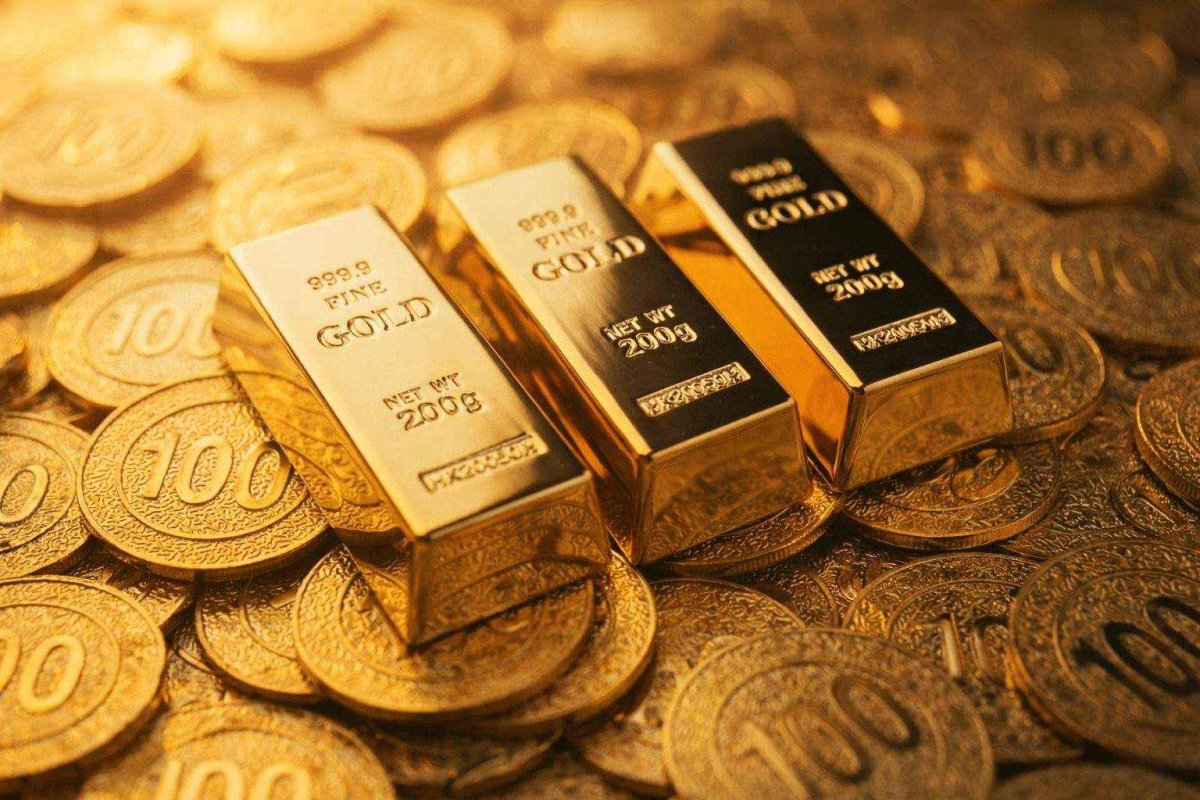
Precious metals endured a brutal sell-off this week, with gold logging its most significant weekly percentage decline in over a decade. The spot price for immediate delivery settled at $4,563.64 an ounce on Friday, representing a 1.8% single-day drop and cementing a third consecutive week of losses. The more actively traded April futures contract fared even worse, collapsing 9.5% over the five-day period. This marks the metal's steepest weekly downturn since September 2011, shattering its typical role as a port in the storm during times of geopolitical stress.
Fed Policy and Dollar Strength Drive the Rout
The primary catalyst for the dramatic reversal was a recalibration of expectations surrounding U.S. monetary policy. On Wednesday, the Federal Reserve held its benchmark interest rate steady within a range of 3.50% to 3.75%. More critically, officials revised their inflation forecast for 2026 upward to 2.7% from a prior estimate of 2.4%, while maintaining a projection for just a single rate cut this year. Chair Jerome Powell characterized the economic outlook as "unusually uncertain," specifically citing the ongoing conflict involving Iran. By Friday, futures markets were pricing in approximately a 25% chance of a rate hike before December, a stark shift from earlier expectations for easing.
This hawkish tilt from the central bank bolstered the U.S. dollar and pushed Treasury yields higher, creating a profoundly negative environment for non-yielding assets like gold. The metal's decline unfolded in distinct stages throughout the week. It opened Monday at $4,993.42, dipped to $4,860.21 following the Fed's announcement, and then cratered 4.3% on Thursday to $4,612.21—a level not seen since early February. Prices sank further on Friday after reports indicated Washington was deploying additional military personnel to the Middle East, a development that typically supports haven assets but failed to stem the selling pressure.
Broader Precious Metals and Equity Impact
The weakness was not confined to gold. The entire precious metals complex suffered steep losses by week's end. Spot silver plummeted 4.8% to $69.39 an ounce. Platinum relinquished 0.9% to settle at $1,953.18, while palladium declined 1.6% to $1,423.59. The pain extended to mining equities, which often exhibit leveraged moves to bullion prices. Toronto's materials sector sank more than 5% on Thursday, with gold miners as a group losing 6%, demonstrating how swiftly the bearish sentiment infected producer shares.
Investor flows vividly illustrated the retreat from the sector. Data from LSEG Lipper showed that global investors yanked a staggering $5.19 billion from gold and precious-metals commodity funds in the week ending March 18. This outflow represents the largest weekly withdrawal from this asset group since at least August 2018.
Market Analysts Weigh In on the Shift
Analysts noted a fundamental change in gold's market behavior. Daniel Ghali, a commodity strategist at TD Securities, observed that the bullish trade that supported gold over the past year is now "losing steam" and warned of continued "risk to the downside" in the near term. Independent metals trader Tai Wong remarked that gold has been behaving more like "a risky asset" than a safe haven. While he suggested a period of stabilization could be ahead, he cautioned that after this week's precipitous drop, "it will be a bumpy ride" for investors.
The dramatic shift has left gold down more than 10% since the outbreak of major hostilities on February 28, upending the traditional playbook where such events trigger flight-to-safety bids.
Physical Demand and the Path Forward
There were modest signs of physical bargain-hunting as prices fell. In India, a major consuming nation, gold dealers reduced their discounts to $75 an ounce from $83 the prior week, with buyers returning for festival-related purchases. In China, premiums also softened, sliding from a range of $20-$30 down to $10-$22. While this provided a slight cushion, overall sentiment in the physical market remained subdued.
The narrative for gold may hinge on the trajectory of oil prices. "Expectations for a rate cut are fading fast," noted Robert Pavlik, Senior Portfolio Manager at Dakota Wealth. He posited that if supply concerns around critical chokepoints like the Strait of Hormuz ease and crude prices retreat, some of the market's hawkish monetary policy bets could unwind, potentially relieving pressure on gold. Conversely, commentary from Fed Governor Christopher Waller—who indicated the conflict could prove "much more protracted"—suggests bullion remains vulnerable to an extended period of high yields and dollar strength.
Traders will monitor not only geopolitical developments but also energy markets closely in the coming week. Sustained elevated oil prices would likely keep expectations for imminent Federal Reserve rate cuts sidelined, continuing the challenging environment for precious metals. The week's events have forcefully demonstrated that in the current macro climate, traditional haven assets are not immune to the powerful crosscurrents of central bank policy and currency dynamics.