Gold prices extended their decline on Thursday, touching the lowest point in over a month as a combination of a strengthening U.S. dollar and a persistently hawkish Federal Reserve weighed heavily on investor appetite for the non-yielding asset. The sell-off reflects a broader recalibration of market expectations regarding the timing of potential monetary policy easing.
Price Action and Market Data
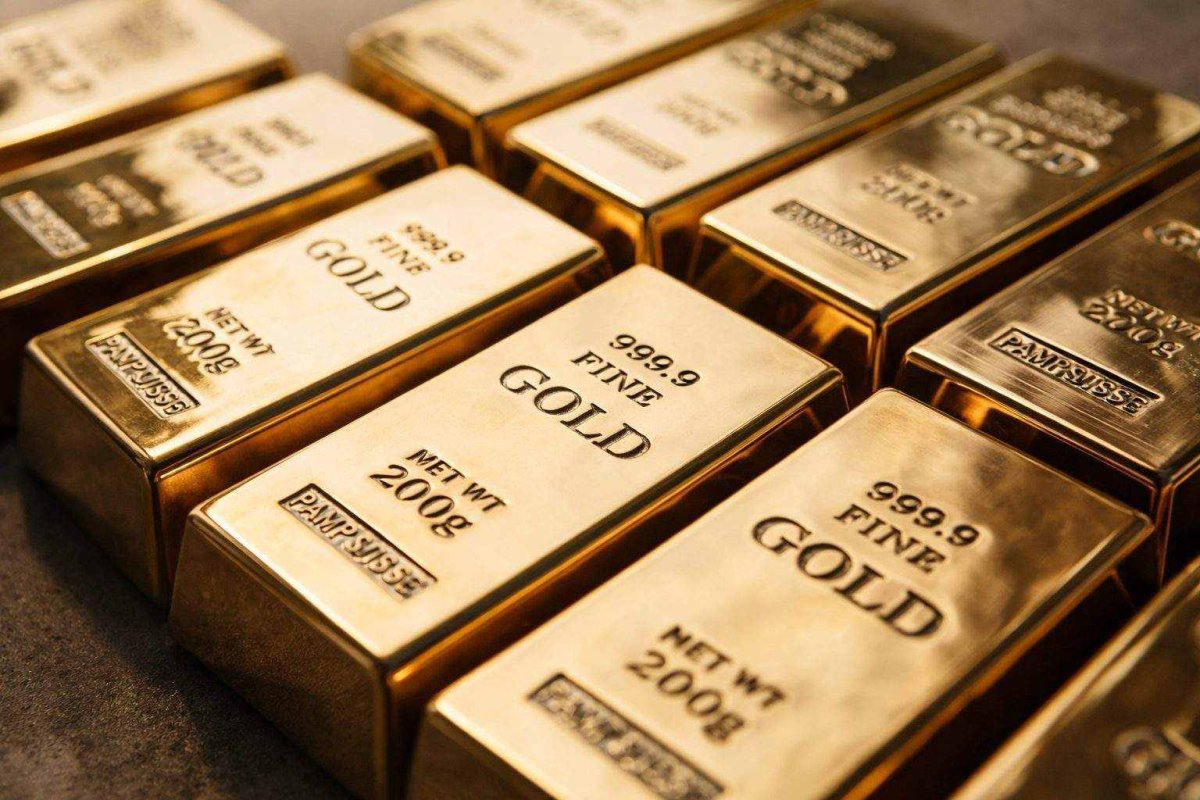
Spot gold traded at $4,764.27 per ounce by late morning in London, marking a decline of 1.1% for the session. This price level was last observed on February 6. U.S. gold futures for April delivery experienced a more pronounced drop, shedding 2.6% to settle at $4,770. The weakness was not isolated to gold; other precious metals including silver, platinum, and palladium also registered losses during the trading day.
Analysts pointed to the challenging environment for bullion. "The metal is struggling in a high dollar and high oil environment," noted Tim Waterer, chief market analyst at KCM Trade. This dynamic has undercut gold's traditional role as a safe-haven asset, with investors instead flocking to the dollar amid ongoing geopolitical tensions.
Dollar Strength and Stagflation Concerns
The U.S. dollar index, which measures the greenback against a basket of major currencies, has climbed 2.5% since the escalation of conflict in the Middle East late last month. On Thursday, it added another 0.6% to reach 100.19. Concurrently, Brent crude oil futures surged, last trading at $111.87 per barrel. The rise in energy prices has stoked fears of stagflation—a scenario characterized by sluggish economic growth coupled with persistent inflation—which complicates the outlook for monetary policy and risk assets.
Federal Reserve Policy in Focus
The primary catalyst for the market's reassessment was the Federal Reserve's latest policy announcement on Wednesday. The central bank held its benchmark federal funds rate steady in a range of 3.5% to 3.75%. Policymakers highlighted "persistent uncertainty" clouding the economic horizon, specifically citing unresolved tensions in the Middle East.
With gold offering no yield, it becomes less attractive to investors when interest rates are high and expected to remain elevated for an extended period. The market interpreted the Fed's stance as a clear signal to pull back on expectations for imminent rate cuts. Following the announcement, the yield on the two-year U.S. Treasury note, which is sensitive to interest rate expectations, jumped 10 basis points to 3.77%.
Independent metals trader Tai Wong commented that Fed Chair Jerome Powell has effectively kept the central bank "on the sidelines," providing little encouragement for gold bulls anticipating near-term policy relief. Wong suggested that a sustained drop below the $5,000 per ounce level could begin to weaken the technical picture for bullion, though he emphasized that the broader bullish thesis for gold is not yet invalidated.
Shifting Expectations for Rate Cuts
The timeline for anticipated Federal Reserve rate cuts continues to be pushed further into the future. In a significant revision, Morgan Stanley announced on Thursday that it now expects the first Fed rate cut to occur in September, a delay from its previous forecast of June. This adjustment aligns with a similar move by Goldman Sachs.
The sentiment for a more prolonged period of high rates is gaining traction. Jack Ablin of Cresset Capital pointed to a "growing school of thought" that the Federal Reserve might not implement any rate reductions throughout the entirety of the current year. This hawkish shift is directly pressuring assets like gold that benefit from lower interest rates.
Broader Market Impact
The reversal in gold's fortunes sent ripples through related equity sectors. European mining stocks slid 3% on Thursday, tracking the decline in the underlying commodity. This serves as a clear indication that the precious metal's latest downturn is exerting pressure on the wider materials sector.
The surge in oil prices remains a critical wild card for the inflation and growth outlook. Persistent gains in energy costs threaten to push consumer prices higher while simultaneously sapping economic growth, a toxic combination for financial markets. The inflationary risk is being taken seriously within the Fed; one official has even projected a potential rate hike for next year. Furthermore, the central bank's median inflation forecast for year-end 2026 has been revised upward to 2.7%, from 2.4% in its December projections.
In equity markets, the S&P 500 index declined 1.4% in the wake of the Fed's policy update, reflecting a broader risk-off sentiment. The confluence of a firm dollar, recalibrated rate expectations, and stagflation concerns is creating a formidable headwind for gold, testing its resilience outside of a pure crisis-driven demand environment.