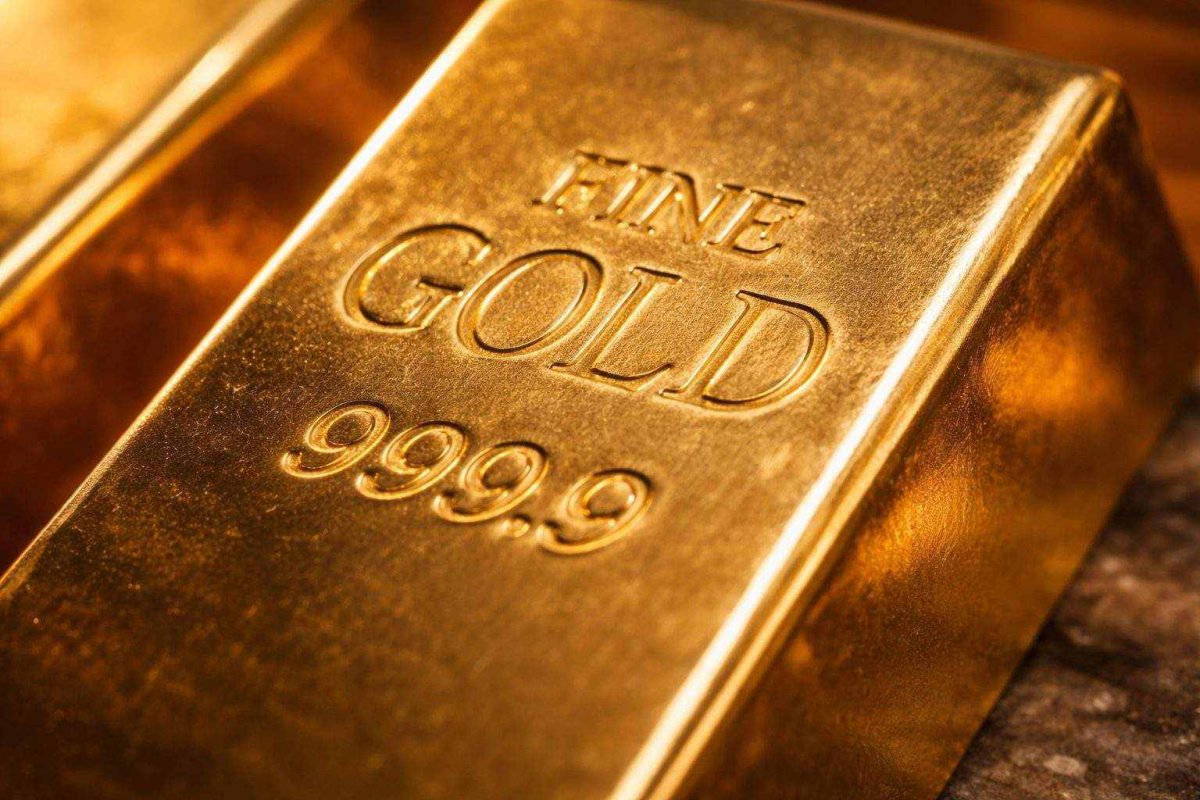
Precious metals faced significant downward pressure on Wednesday, with gold sliding to its weakest valuation in over a month. The spot price for bullion dropped 2.6% to settle at $4,874.19 per ounce by late morning trading in New York, marking the lowest point since February 6. April futures contracts for U.S. gold mirrored the decline, also falling 2.6% to $4,878.20.
Inflation Data and Geopolitical Tensions Drive Market Sentiment
The downturn followed the release of U.S. economic data that showed producer prices climbing 0.7% in February, significantly exceeding the 0.3% increase forecast by economists. The annual rate accelerated to 3.4%, representing the fastest pace of wholesale inflation in a year. This report intensified concerns that persistent price pressures could compel the Federal Reserve to maintain a restrictive monetary policy stance for longer than previously anticipated.
Geopolitical developments further complicated the outlook. Military strikes targeted Iran's Pars gas field, marking the first direct attack on Iranian energy infrastructure in the Gulf since the onset of regional hostilities. In response, Brent crude oil surged to $108.51 per barrel. Tehran's subsequent warnings for neighboring countries to secure their energy sites stoked fears that the conflict could disrupt broader supply chains and exacerbate global inflationary trends.
Federal Reserve Policy in Focus
Market participants are now pricing in a more hawkish trajectory for U.S. interest rates. Expectations have shifted dramatically, with traders now anticipating only a single Federal Reserve rate cut throughout the entirety of 2026. All attention is focused on the central bank's upcoming policy announcement and, crucially, its updated "dot plot" projections for the benchmark rate.
Analysts note the delicate balance the Fed must strike. "The recent price data doesn't give the Fed much incentive to cut rates again in the near term, even if oil prices quickly drop," observed Thomas Ryan, North America economist at Capital Economics. David Meger, director of metals trading at High Ridge Futures, pointed to rising energy costs as "fanning the fire of inflation," which in turn diminishes the appeal of non-yielding assets like gold.
Broader Precious Metals and Equity Sell-Off
The sell-off extended across the precious metals complex. Spot silver relinquished 3% to $76.90 per ounce. Platinum declined 3.2% to $2,056.05, while palladium experienced a more severe drop of 4.5% to $1,528.75. The pressure on mining equities was evident in Toronto, where the materials index—heavily weighted with precious metals producers—plunged 4.5%.
Jim Wyckoff of Kitco described gold's current predicament as a "balancing act," caught between traditional safe-haven demand and the headwind of higher-for-longer interest rates. While he suggested new record highs remain theoretically possible, he cautioned that such a move is "not anytime soon," noting that bullish momentum appears to have "run out of gas" for the time being.
Market Implications and Forward Guidance
The immediate market direction may hinge on the tone of the Federal Reserve's forthcoming communications. Diane Swonk, chief economist at KPMG, expects the new projections to reflect the ongoing tension between signs of slowing economic growth and stubbornly high inflation. Some forecasters have even suggested that policymakers might leave the door open for an additional rate hike should inflationary pressures fail to recede.
Potential catalysts for a reversal in gold's fortunes include a more dovish-than-expected message from the Fed or a sudden escalation in safe-haven demand. Conversely, a continuation of dollar strength, oil prices holding above $100 per barrel, or explicit guidance suggesting prolonged elevated borrowing costs could keep gold prices subdued below recent highs. The next several hours of trading and central bank commentary are likely to prove decisive for near-term price action.