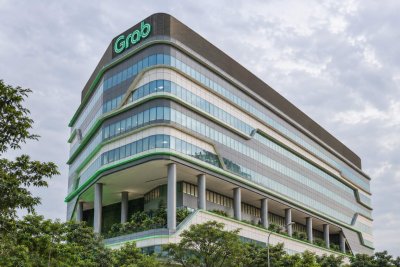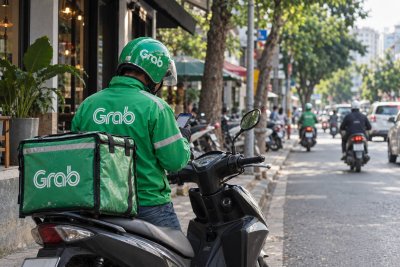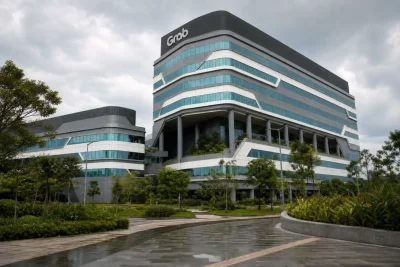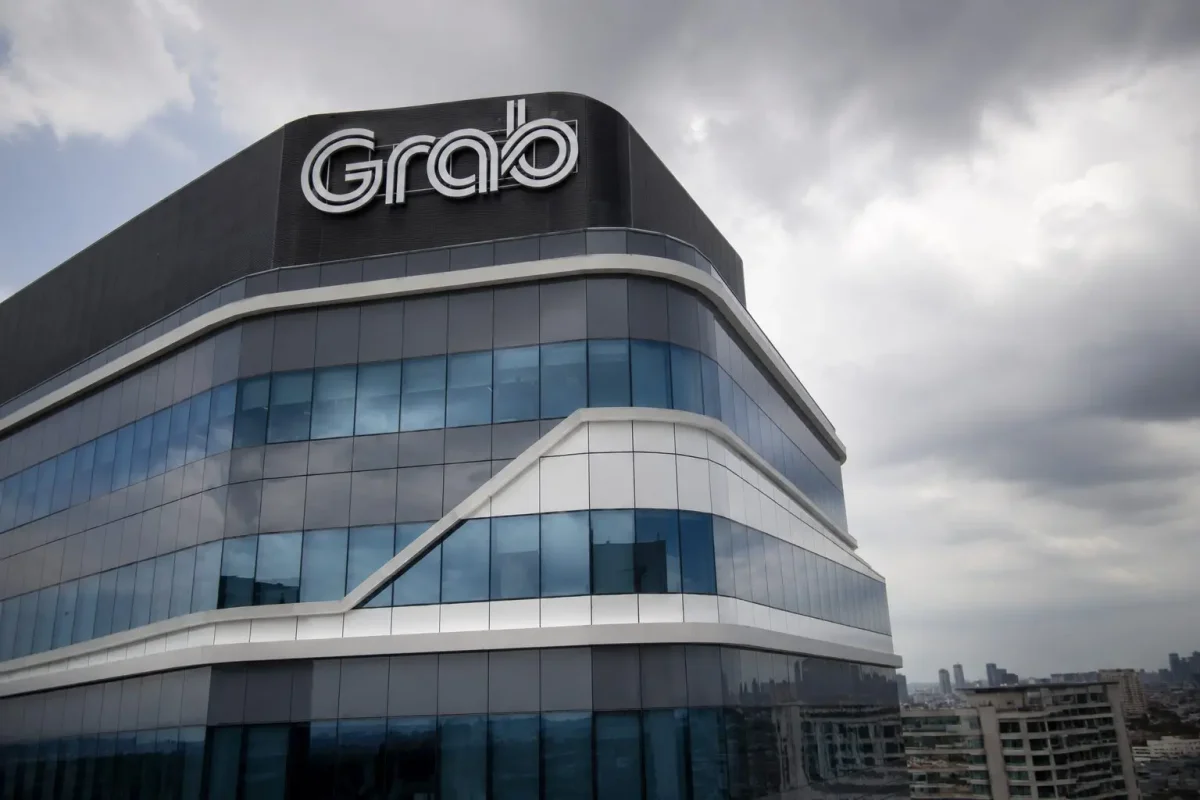
Shares of Grab Holdings (NASDAQ: GRAB) closed Friday at $3.50, marking a 2.9% gain for the day, and a 5.7% advance over the week. Despite the recent bounce, the stock remains near its 52-week low of $3.18, finishing just 10.1% above that level. The stock is still down 47.1% from its 52-week high of $6.62, reflecting ongoing investor concerns about profitability and competitive pressures.
As the company prepares to release its second-quarter results after the U.S. market close on Monday, August 3, analysts are focusing on the performance of its financial services segment. Consensus estimates put Q2 revenue between $990.36 million and approximately $1 billion, representing a sequential increase of 3.5% to 4.5% from Q1's $955 million. The financial services division is expected to contribute between 42% and 54% of the quarter-over-quarter growth, even though it accounts for only about 13% of total sales.
Fintech Margins Under the Microscope
The fintech segment is a critical area of focus, as it reported an adjusted EBITDA loss of $17 million in the first quarter. However, the gross loan book surged 130% year-over-year to $1.44 billion, indicating rapid expansion in lending. The company has guided to fintech EBITDA breakeven in the second half of 2026, but the path to profitability remains a key concern for investors.
Mobility is expected to provide minimal support, with preliminary estimates of $338.2 million in revenue, just slightly above Q1's $337 million. Deliveries are projected to see a more meaningful increase of $26.3 million sequentially, reaching $536.3 million. The financial services segment is expected to add approximately $19 million in revenue compared to Q1, accounting for 54% of the growth relative to the lower consensus estimate and 42% relative to the upper estimate.
Stash Acquisition and Integration Risks
This quarter serves as the final clear pre-Stash reference point, as Grab completed its digital-finance acquisition on July 1. Starting next quarter, results will include both the new business and associated integration expenses, which could pressure margins in the near term. Investors will be watching for any updates on the integration process and its impact on the company's bottom line.
Revenue and Profit Targets
To meet the full-year revenue guidance of $4.070 billion at the midpoint, Grab would need an average of $1.062 billion in Q3 and Q4, representing a 7.3% increase over the current Q2 projection. Seasonal trends may influence this trajectory, but the targets appear achievable based on current consensus estimates.
On the profitability front, the company maintains its 2026 adjusted EBITDA guidance of $700 million to $720 million. With Q1 adjusted EBITDA at $154 million, the next three quarters would need to average around $185 million each, an increase of 20.3% compared to Q1. CFO Peter Oey has expressed confidence that Q1 results keep Grab “firmly on track” to meet annual goals.
Cost Pressures and Regional Competition
Costs remain a concern, as on-demand incentives accounted for 10.5% of GMV in Q1, and regional corporate expenses rose by $28 million to reach $114 million. Additionally, Indonesia reduced Grab's commission for motorcycle drivers from 20% to 8% starting July 1, which could impact mobility revenue and driver supply.
Regional competitor GoTo Gojek Tokopedia Tbk (IDX: GOTO) has set a new benchmark, with Q2 fintech adjusted EBITDA jumping over fivefold to 481 billion rupiah, surpassing its on-demand EBITDA for the first time. While not directly comparable, this development raises expectations for Grab's fintech transparency and performance.
Investors will be closely monitoring fintech losses, credit quality, incentive levels, and any updates to guidance when Grab reports on Monday. The management call is scheduled for 8 p.m. ET (8 a.m. SGT Tuesday).