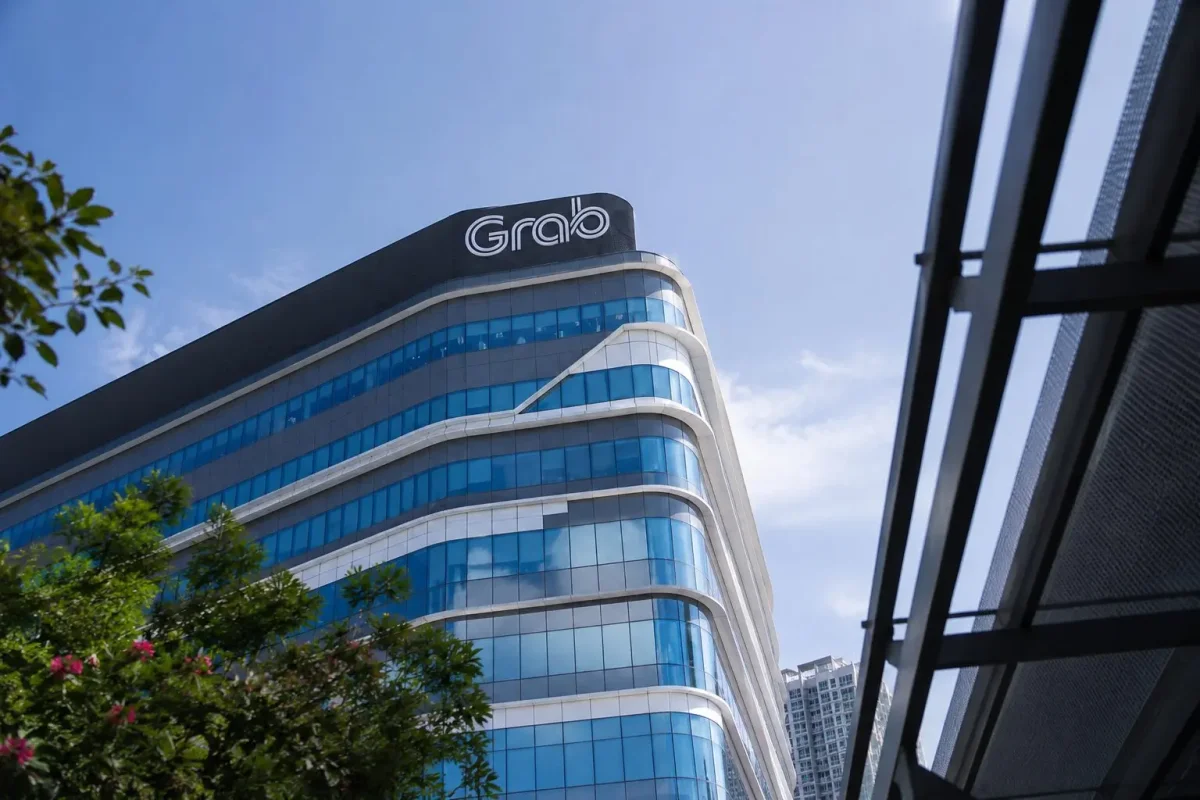
Grab Holdings saw its shares drop sharply on Wednesday, falling 5.7% to $3.395 in active trading on the Nasdaq, as the broader market downturn and sector-specific headwinds overshadowed the company's better-than-expected first-quarter earnings.
The Singapore-based ride-hailing and delivery giant reported first-quarter revenue of $955 million, a 24% increase year-over-year, and adjusted EBITDA of $154 million, up 46% from the prior year. Despite these strong figures, investor sentiment turned negative amid concerns over rising fuel costs, potential regulatory changes in Indonesia, and a broader market selloff driven by Middle East tensions and higher oil prices.
Market Context and Investor Concerns
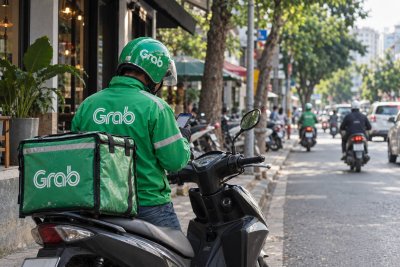
The stock's decline came as major U.S. indices also lost ground, with the Nasdaq Composite falling 0.76% and the S&P 500 dropping 0.50%. Oil prices climbed, adding to inflation worries and weighing on tech and financial stocks. For Grab, fuel costs are a significant factor because drivers and couriers pay for fuel upfront, and the platform must decide how much of the increase to absorb.
Investors are questioning whether Grab's revenue growth can be sustained if fuel prices continue to rise, consumers shift to cheaper options, and regulators in Indonesia tighten rules. President Prabowo Subianto announced plans to lower the maximum commission ride-hailing firms can charge drivers from 20% to 8%, a move that would directly impact Grab and its competitor GoTo. The timeline for this change has not been specified.
Financial Performance and Strategic Moves
Grab's first-quarter on-demand gross merchandise value (GMV) also grew 24% to $6.1 billion. Net profit climbed to $120 million, up from $10 million a year earlier. CFO Peter Oey stated that the results keep the company "firmly on track" for its 2026 revenue target of $4.04 billion to $4.10 billion and adjusted EBITDA of $700 million to $720 million. The company also highlighted its $500 million share buyback plan, which includes agreements to repurchase up to $400 million of Class A shares.
To maintain growth, Grab continues to invest in incentives, reporting $650 million in total incentives for the quarter. On-demand incentives represented 10.5% of GMV, up 46 basis points from last year, driven by partner support during festive demand and higher fuel prices. The company also noted that about 35% of users are on its "Saver" programme, which offers lower-priced delivery options.
Expansion and Competition
Grab is also pursuing expansion beyond Southeast Asia. In March, it announced a $600 million deal to acquire Delivery Hero's Foodpanda delivery unit in Taiwan, marking its first foray outside the region. The transaction is expected to close in the second half of 2026, pending regulatory approval. Delivery Hero CEO Niklas Oestberg described the sale as part of a strategic review, while investor Aspex Management called for further steps.
CEO Anthony Tan emphasized the company's focus on scale, artificial intelligence, and lower-cost shared rides. In April, he noted that "fuel costs were real for everyone" and said Grab would continue to "double down" in Indonesia. The company launched new AI-driven products, including a group-ride option that could reduce customer fares by up to 40%.
Financial Services Growth
Grab's financial services segment posted strong growth, with revenue up 43% to $107 million, driven by lending from GrabFin and digital banks. Total loans disbursed surged 67% to $1.1 billion. The segment's adjusted EBITDA loss narrowed to $17 million from $30 million a year ago.
Despite the positive earnings report, the stock failed to gain traction, reflecting the market's focus on potential headwinds. If oil prices remain elevated, Grab may need to maintain higher incentives for drivers and keep fares low to stay competitive. A swift implementation of Indonesia's commission cap could squeeze margins in a key market, while delays in the Foodpanda acquisition would postpone a significant expansion opportunity.