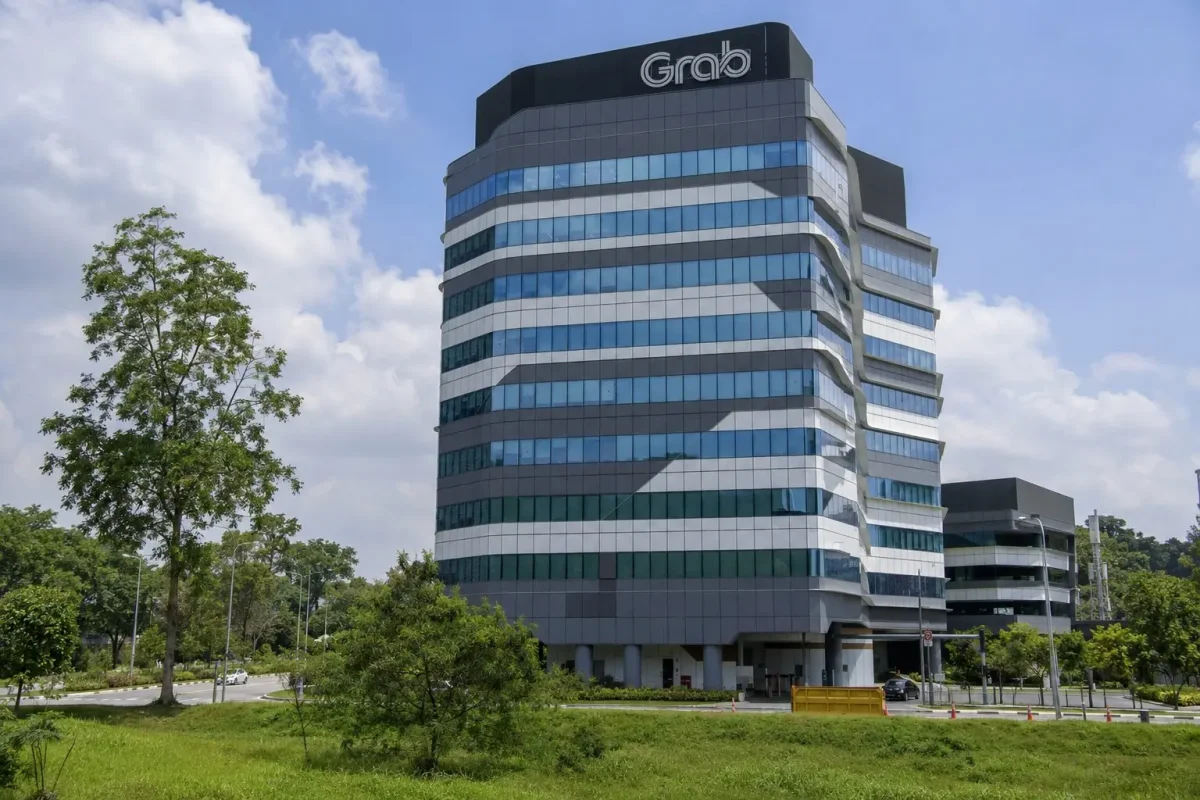
Grab Holdings (GRAB) shares experienced a notable decline on Thursday, slipping 1.8% to close at $3.575 in New York trading. The drop came as the broader tech sector, represented by the Invesco QQQ Trust, posted a 0.9% gain, underscoring the company-specific nature of the selloff. Investors are increasingly focused on the implications of Grab's deeper foray into Indonesian digital banking, a move that promises growth but also introduces new layers of risk.
The company is set to consolidate Superbank as a subsidiary once its direct and indirect stake exceeds 50%, a threshold it has now crossed. This change will be reflected in Grab's financial reporting from May onward, with Superbank's results included in the Financial Services segment. The bank has shown impressive momentum: assets surged 72% year-over-year in April, while net interest income jumped 84% over the same period. Superbank now serves over 6 million customers in Indonesia and reported its first full-year profit in fiscal 2025.
Analysts have offered a mixed outlook. Morgan Stanley's Divya Gangahar Kothiyal lowered her price target on Grab to $5.90 from $6.40 on May 5, though she maintained an Overweight rating. The bank noted that "growth, margins and capital returns can compound together" following the quarter. Conversely, Phillip Securities Research's Helena Wang reiterated her Buy rating and $7 price target on May 11, describing Grab as a "long-term structural winner" in Southeast Asia, citing steady demand, improving profitability, and a data advantage.
The broader market context provided some tailwinds for tech stocks. U.S. equities recovered from early declines, with the S&P 500 and Nasdaq both turning positive amid reports of progress on a U.S.-Iran ceasefire extension. However, weak economic data kept inflation and growth concerns alive, tempering the overall optimism.
Grab's first-quarter results underscored its operational strength. Revenue rose 24% to $955 million, while On-Demand GMV climbed 24% to $6.1 billion. Adjusted EBITDA surged 46% to $154 million. CEO Anthony Tan described the quarter as a "strong start," and CFO Peter Oey reaffirmed the company's full-year guidance: revenue between $4.04 billion and $4.10 billion and adjusted EBITDA between $700 million and $720 million.
Despite these positive metrics, the market's reaction highlights lingering concerns. If Southeast Asian consumers remain price-sensitive, Grab may need to sustain discounting, which could pressure margins. Rapid growth at Superbank could also lead to higher credit losses or attract additional regulatory scrutiny. Oey acknowledged these challenges, noting that Grab "would keep trying to make our rides affordable" amid persistent inflation.
Peer performance was mixed. Uber (UBER) finished nearly flat, DoorDash (DASH) edged lower, and Sea (SE), another Southeast Asian internet stock, lost about 1.6%. The divergence suggests that Grab's decline is primarily company-specific rather than a reflection of broader tech weakness.
Looking ahead, Grab's next major catalyst will be its second-quarter earnings call in August, when management plans to update group guidance following the Superbank consolidation. Until then, the stock is likely to trade less on earnings momentum and more on the market's assessment of whether Grab's fintech expansion can achieve sufficient scale without overburdening its balance sheet.