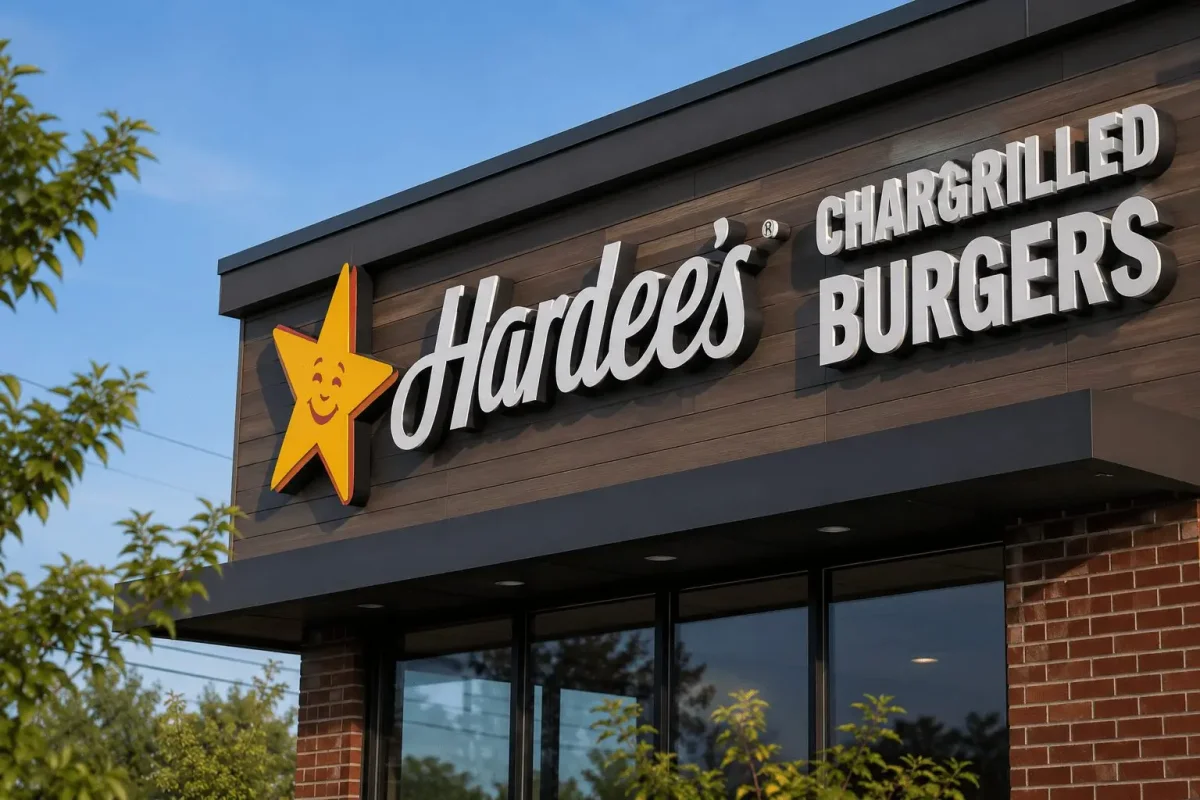
Superior Star, a Hardee's franchisee operating 59 restaurants, filed for Chapter 11 reorganization on July 9, 2026, in the Western District of Kentucky. The company reported approximately $80 million in 2025 sales, which appears close to Hardee's average only when divided by its current store count. However, adjusting for 30 stores closed late in the year reveals a stark reality: revenue per restaurant falls to an estimated $860,000 to $900,000, roughly one-third below the chain's latest franchised-store average of $1.347 million. This discrepancy highlights the financial strain on franchisees with aging assets.
The operator's closures were significant, accounting for 36.6% of the 82-unit net decline in franchised Hardee's restaurants during the 53 weeks ended January 26. Superior Star's remaining 59 locations represent about 4% of Hardee's 1,485 U.S. restaurants and 4.6% of its 1,287 franchised units. The company acquired 93 Hardee's restaurants from StarCorp in 2023 but soon discovered millions of dollars in deferred maintenance, repair costs, unpaid taxes, and other obligations, while aging physical facilities hurt customer demand.
Financial Details and Cash Flow Issues
Court filings indicate normal monthly operating expenses, excluding debt service, were about $4.5 million. Superior Star had approximately 850 employees and $483,000 in earned but unpaid wages at the petition date. The owners had recently injected $300,000 to meet payroll. State tax authorities later levied bank accounts after sales-tax delinquencies, triggering the timing of the filing.
Closing restaurants did not fully stop the cash drain. The company continued paying rent on shuttered units, known as dark-site costs, and now seeks to reject those leases. It also disputes a $7.04 million seller note owed to StarCorp and claims that offsetting claims may reduce that debt. The Chapter 11 process allows the company to reorganize rather than liquidate, with CEO Brian Bonfiglio expressing confidence in emerging as an operationally and financially durable enterprise.
Industry Implications
For investors, the key takeaway is not the $80 million top line but how quickly that number thins when matched to the restaurants that produced it. The one-third revenue gap is an estimate, not reported same-store sales, as the $80 million figure is approximate and the portfolio changed during the year. Hardee's benchmark covers freestanding restaurants with complete full-year data, while Superior Star's format mix was not disclosed.
Hardee's has shown it may take back selected sites after a franchisee fails. ARC Burger closed 77 restaurants before filing for Chapter 7 liquidation, and the brand had reopened 25 as company-operated units by July 10, with more planned. For restaurant lenders and landlords, this case underscores the risks tied to aging units and the importance of assessing franchisee financial health.
At publication, U.S. equity markets were still closed. CKE Restaurants, which owns Hardee's, is privately held, so there is no direct stock reaction. The read-through is for restaurant lenders, landlords, and franchise-heavy brands assessing liabilities tied to aging units.