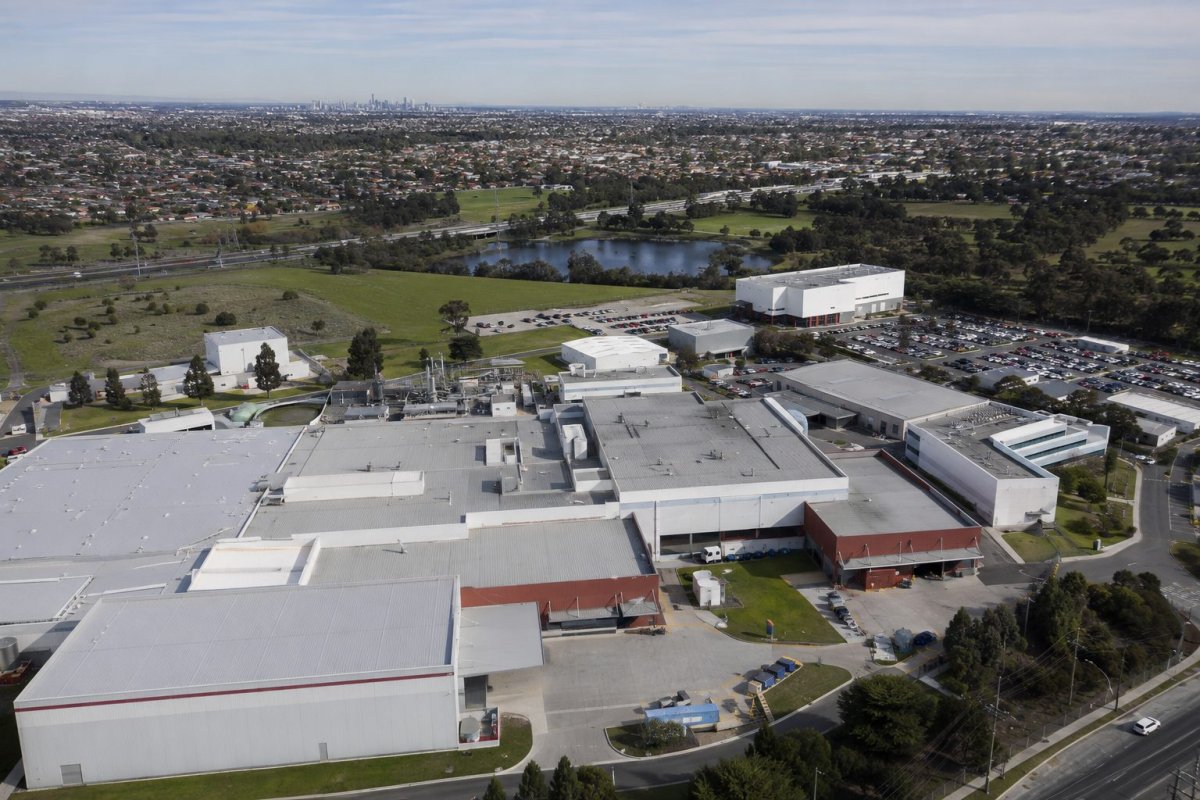
The Australian sharemarket closed the week with a modest decline, but beneath the surface, a significant rotation unfolded. The S&P/ASX 200 finished Friday at 9,058.90, down 0.27% for the session and 0.62% for the week, while the All Ordinaries slipped 0.31% on Friday to 9,269.70, a 0.47% weekly drop. The standout performer was the healthcare sector, which surged 9.21% over the week, powered by a strong result from CSL Limited (ASX: CSL).
CSL's fiscal 2026 results, released during the week, delivered a reset-year narrative that investors embraced. The company reported underlying net profit after tax and amortisation (NPATA) of US$3.1 billion, operating cash flow of US$3.5 billion, and guided to approximately 5% growth in underlying NPAT for fiscal 2027. This upbeat outlook overshadowed a statutory net loss of US$2.6 billion, which was driven by US$7.1 billion in impairments. The market rewarded CSL's clarity and forward guidance, triggering a sharp sector rotation out of banks and into healthcare names.
The banking sector bore the brunt of the sell-off, with financials falling 5.1% for the week. Commonwealth Bank (ASX: CBA) alone lost 5.15%, dragging the index lower. The weakness in banks reflects growing concerns about valuation premiums and the potential impact of sticky inflation on interest rate expectations. Consumer discretionary stocks also suffered, dropping 6.6% for the week, as rising oil prices and bond yields weighed on sentiment.
Friday's trading session highlighted the market's divergence. Guzman y Gomez (ASX: GYG) jumped 11.5% after reporting a 29.7% increase in profit, while Zip (ASX: ZIP) tumbled 14.4%, Telix (ASX: TLX) fell 10.1%, and Super Retail (ASX: SUL) dropped 7.5%. These moves underscore the earnings-driven volatility that is likely to persist as the reporting season continues.
Oil prices remain a key risk factor, with Brent crude finishing near US$93.49 per barrel on Friday. The Iran risk premium has supported energy stocks, but it has also revived inflation concerns and pushed bond yields higher. The 10-year Australian government bond yield rose 4 basis points to 5.02%, while the Australian dollar strengthened to around US$0.7134, up 0.7% for the week. The ASX 200 VIX, a measure of implied volatility, fell 3.13% to 10.51, suggesting low headline volatility despite the sector rotations.
Looking ahead to next week, investors will face a dense calendar of events. On Monday, the ASX reopens with results from Bendigo Bank, Ampol, Endeavour, Pilbara Minerals, and Reece. Tuesday brings the RBA minutes at 11:30 AEST, along with reports from Coles, Woodside, Scentre, and Viva Energy. Wednesday is the key day for macro data, with the July CPI release at 11:30 AEST. June CPI came in at 3.8% year-on-year, with the trimmed mean at 3.6%, and any upside surprise could reignite rate hike fears. Thursday features private capital expenditure data and the RBA Bulletin, while the reporting season remains active.
The bull case for the market rests on CSL's rebound broadening into other healthcare names and CPI easing enough to cap bond yields. If the ASX 200 can hold above the 9,000 support level while breadth improves, a rotation-led recovery could gain traction. On the bearish side, sticky CPI, firm oil prices, and a 10-year yield above 5% would pressure bank, property, and consumer multiples, while earnings misses could spread beyond the isolated names seen this week.
Key levels to watch include ASX 200 support at 9,000 and resistance at 9,115. Financial-sector stabilisation, the AUD/USD around 0.71, and whether the VIX stays near 10.5 will be critical indicators. With inflation data and a slew of corporate earnings on the horizon, the market's next move will hinge on whether the healthcare-led rotation can withstand the macro headwinds.