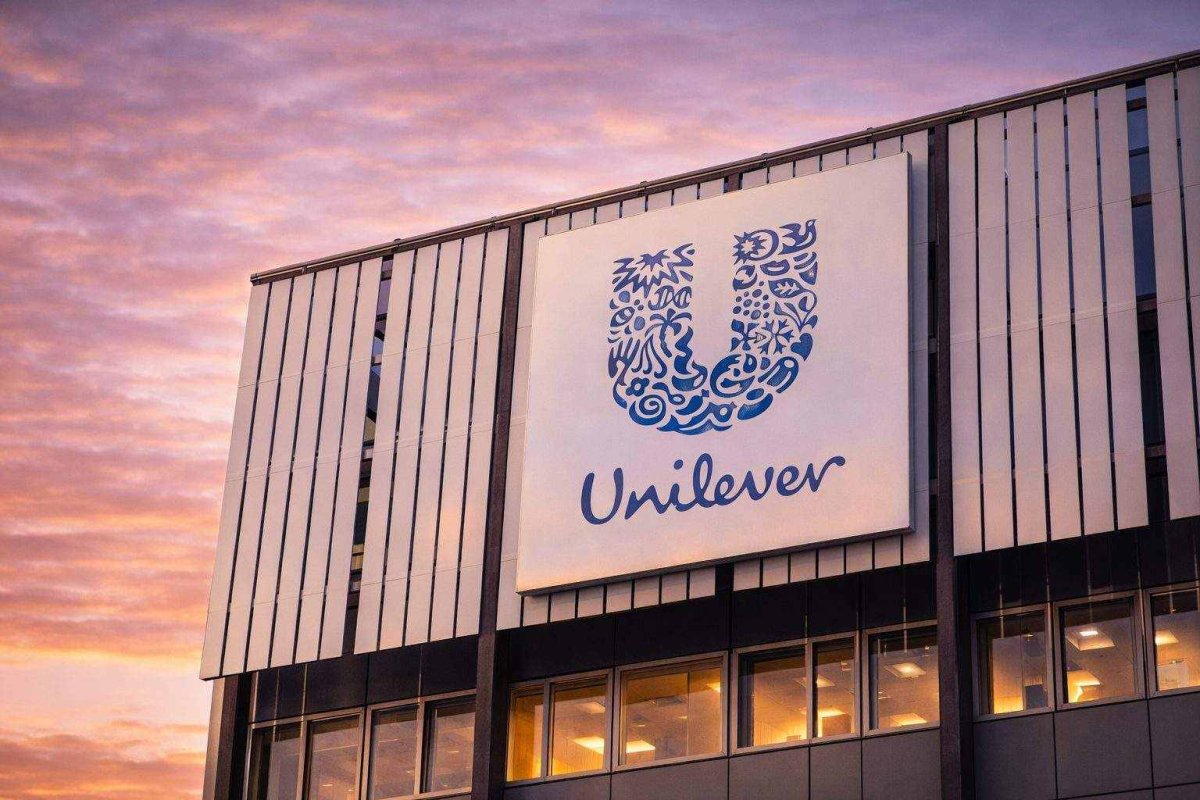
Hindustan Unilever Limited (HUL), the Indian subsidiary of global consumer goods giant Unilever PLC, has completed the divestment of its full 19.8% equity stake in Nutritionalab Private Limited. The transaction, disclosed in a stock exchange filing dated March 4, 2026, generated proceeds of roughly 307 crore rupees, equivalent to about 3.07 billion rupees.
Strategic Portfolio Reshuffle
This disposal is a key component of HUL's ongoing strategic overhaul, which emphasizes a decisive pivot toward premium, high-growth market segments. The company's board had previously sanctioned this exit alongside the acquisition of the remaining 49% stake in OZiva, a direct-to-consumer wellness brand, during a meeting on February 12. Management has framed these actions as a critical "portfolio transformation," intended to streamline focus and "double down on fewer, bigger bets." During a recent earnings discussion, HUL's Chief Financial Officer, Niranjan Gupta, emphasized the company's increased agility in portfolio management, clarifying that the decision to exit Nutritionalab was strategic and not a reflection of the unit's operational performance.
Investing in Premium Growth Engines
The strategic redirection is being backed by substantial capital investment. On February 18, HUL unveiled plans to commit up to 2,000 crore rupees over a two-year period to enhance manufacturing capacity for its Beauty & Wellbeing and Home Care liquids portfolios. Chief Executive Officer Priya Nair described this investment as essential to "scale our brands and create categories of the future." This focus on premiumization mirrors the broader agenda of its parent company, Unilever. Following the spin-off of its Magnum ice cream business, Unilever is targeting beauty, wellbeing, and personal care as primary growth drivers, with India and the United States highlighted as pivotal markets.
Market Context and Competitive Landscape
HUL's strategic maneuvers occur against a backdrop of evolving consumer preferences and intensified competition. The Indian market has witnessed a surge in digitally-native, direct-to-consumer (D2C) brands, reshaping the competitive landscape. Independent sector consultant Akshay D'Souza noted this "large flurry of D2C brands" and suggested Hindustan Unilever is likely to continue acquiring such brands to keep pace with shifting consumer tastes. Furthermore, this premiumization trend is not unique to Unilever. Competitors like Reckitt and Nestle have similarly been steering their portfolios toward higher-growth, higher-margin brands. Notably, Nestle recently entered negotiations to sell its last in-house ice cream operation, following Unilever's own separation of its Magnum brand in December.
Financial Performance and Margin Pressures
Despite these strategic shifts, HUL faces immediate financial headwinds. The company recently reported a 15% decline in quarterly profit, attributed to competitive price cuts and heightened market rivalry. Analysts point to several factors weighing on performance, including distribution-led growth, a slowdown in new product launches, and elevated customer acquisition costs. Ajay Thakur of Anand Rathi identified a 4% volume growth as a positive signal amidst the challenges. However, the central question for investors remains whether HUL's aggressive push into premium categories can sustainably boost earnings without further eroding profit margins.
Parent Company Outlook
The strategic context extends to the parent company's guidance. Unilever has indicated that it expects its full-year 2026 sales growth to land at the lower end of its targeted 4% to 6% range, citing softening demand in key geographies like the United States and Europe. CEO Fernando Fernandez has reiterated the company's commitment to reshaping its portfolio around faster-growing segments to navigate this challenging demand environment.
In summary, Hindustan Unilever's sale of its Nutritionalab stake is a tactical step within a comprehensive, group-wide strategy to prioritize premium, high-margin categories such as beauty and wellbeing. While this repositioning aims to secure long-term growth, it coincides with near-term profitability pressures from a tough competitive market, setting the stage for a critical period of execution for the FMCG leader.