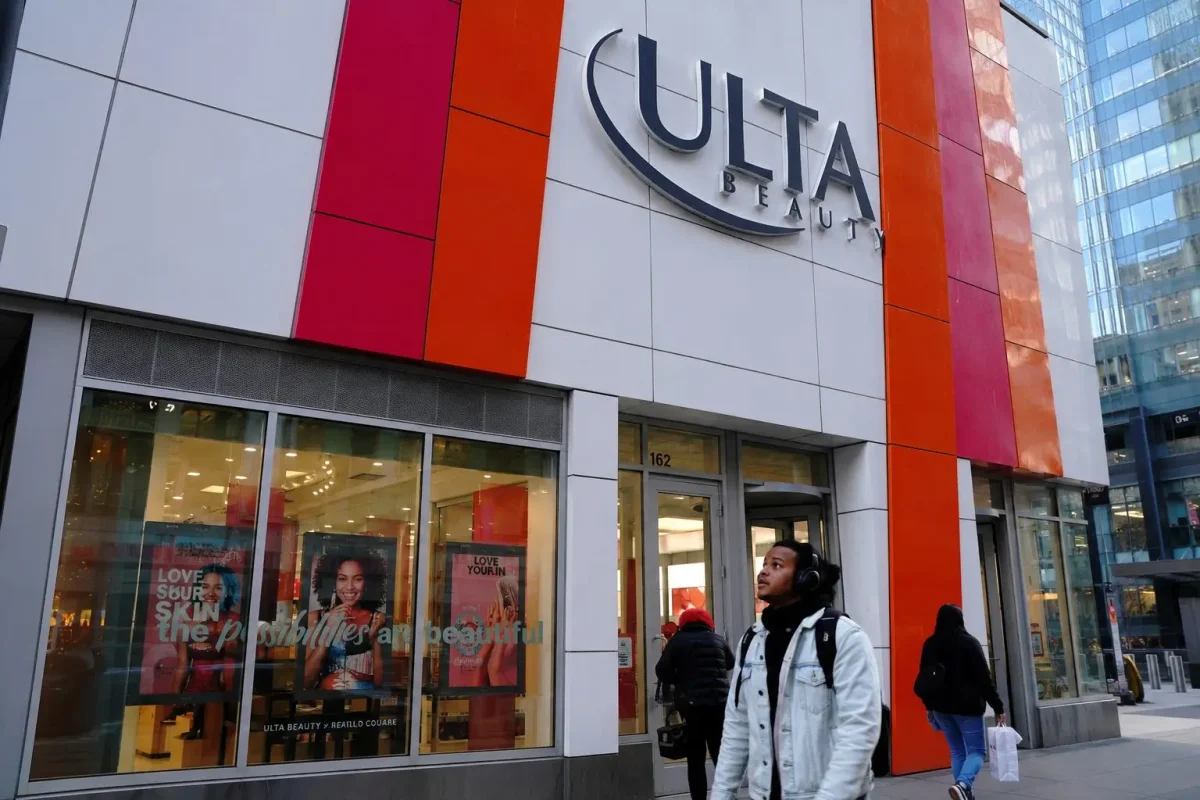
Ulta Beauty (ULTA) shares surged approximately 7% in after-hours trading Tuesday after the beauty retailer reported stronger-than-expected first-quarter results and raised its full-year profit outlook. The company credited steady consumer spending on higher-priced fragrances, skincare, and other premium beauty items for the outperformance.
For the 13 weeks ended May 2, 2026, Ulta posted net sales of $3.16 billion, an 11.1% increase from $2.85 billion in the same period last year. Comparable store sales rose 5.3%, comfortably above the 4.5% increase analysts had forecast, according to LSEG data cited by Reuters. Net income climbed to $340.5 million, or $7.74 per diluted share, compared with $305.1 million, or $6.70 per share, a year earlier.
Gross margin improved to 40.1% from 39.1%, supported by lower inventory shrinkage and stronger merchandise margins. The company also noted that average ticket rose 3.7% while transactions increased 1.6%, indicating customers are spending more per visit and visiting more frequently.
“Fiscal 2026 is off to a strong start driven by broad-based growth across all channels and major categories,” said CEO Kecia Steelman in the earnings release. She added that the results underscore the resilience of Ulta’s business model in what she described as an “uncertain macroeconomic landscape.”
Based on the robust quarter, Ulta raised its full-year diluted earnings per share forecast to a range of $28.36 to $28.80, up from the prior outlook of $28.05 to $28.55. The company maintained its net sales growth target of 6% to 7% and comparable sales growth of 2.5% to 3.5%.
Ulta gained market share in prestige beauty and held steady in mass beauty, Steelman said on the earnings call. Morningstar analyst David Swartz told Reuters that the retailer “continues to outperform other beauty retailers, such as department stores,” noting that prestige products are typically sold in department stores while mass beauty products are distributed through drugstores and mass merchants.
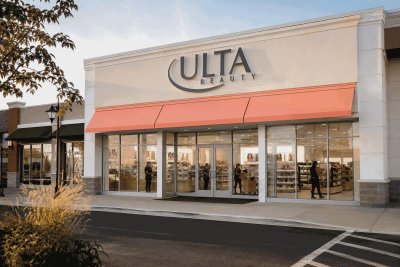
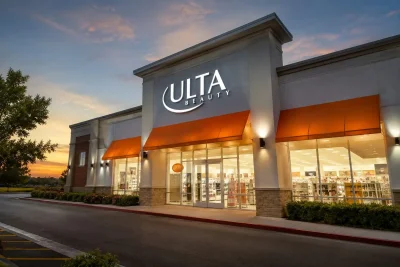
The company is leveraging a diverse portfolio of brands, including Fenty Beauty, Rare Beauty, and Cecred, to attract both younger consumers and higher-income shoppers. At quarter-end, Ulta operated 1,608 stores globally, consisting of 1,521 Ulta Beauty locations in the U.S. and 87 Space NK stores in the U.K. and Ireland.
However, the company also flagged rising costs. Selling, general and administrative expenses rose 14.6% to $814.7 million, largely driven by Space NK. Inventory increased 12.5% to $2.4 billion as the company stocked new brands and opened additional stores. In its regulatory filing, Ulta warned that inflation and macroeconomic headwinds could pressure future consumer spending and profitability.
Despite these cautionary notes, Ulta continues to return capital to shareholders. During the quarter, the company repurchased 958,323 shares for $555 million, leaving $1.3 billion remaining under its $3 billion buyback program announced in October 2024.