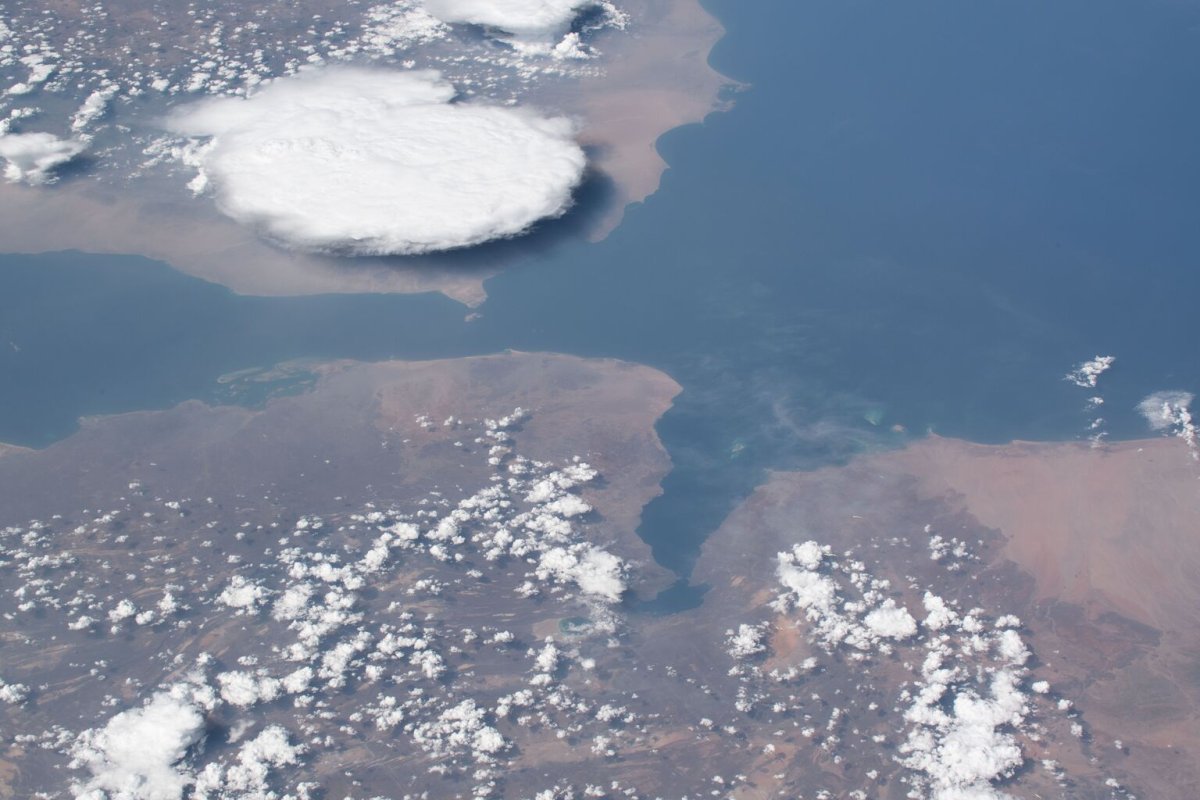
Yemen's Houthi movement has taken control of Greater and Lesser Hanish, two islands in the southern Red Sea near the strategic Bab al-Mandeb Strait. This development introduces a new layer of risk to a critical oil transit route that Saudi Arabia is heavily dependent on, especially while the Strait of Hormuz remains closed.
The islands themselves are not oil producers, but their strategic location gives them significance in the context of global crude shipments. The primary concern for traders is whether this expansion of Houthi territorial control could increase the cost or reduce the reliability of moving crude oil through the Red Sea. The potential for disruption is a key factor in pricing, as any threat to this waterway could have far-reaching implications for global supply chains.
On Tuesday, Brent-linked futures were trading at $101.87 per barrel at 6:44 a.m. ET, up 0.9% from the previous close of $100.99, according to delayed market data. This uptick reflects a market already grappling with multiple geopolitical tensions, including the broader conflict, damaged Saudi infrastructure, and constrained passage through the Strait of Hormuz. The Hanish island seizures add a new, observed event to the complex risk landscape at the Red Sea end of the export system.
The Houthi announcement of the captures came on Monday, coinciding with efforts by Saudi-backed Yemeni forces to reclaim territory around Bab al-Mandeb. The Associated Press reported that this takeover followed additional Houthi gains last week, including the Red Sea port of Mokha and another strategic island. Deutsche Welle also confirmed the Hanish captures, describing them as an expansion of Houthi control near the vital shipping route.
The sequence of events is more critical than the specific pieces of land involved. A port can support coastal operations, while islands can extend observation and staging positions. Repeated advances can also shift the risk assessments of insurers and shipowners, potentially influencing their decisions on whether to continue using the route. While possession of the islands alone cannot halt a tanker, a sustained supply shock would require attacks, credible threats that keep ships away, damage to loading infrastructure, or a military response that restricts navigation.
The shipping industry has already demonstrated its ability to adapt to such dangers. According to the U.S. Energy Information Administration, crude and refined-product flows through Bab el-Mandeb averaged 4.0 million barrels per day in the first eight months of 2024. This is a significant decline from 8.7 million barrels per day in 2023, following attacks that prompted vessels to take the longer route around the Cape of Good Hope. Cape traffic rose to 9.2 million barrels per day from 6.0 million over the same comparison period. These figures provide a baseline, albeit dated, for understanding the route's scale and the market's available workaround.
This rerouting capability is the strongest counterargument to an immediate bullish oil reading. Much of the easiest diversion has already occurred. A longer voyage affects freight costs and delivery times before it changes the number of barrels produced. The risk premium becomes more difficult to dismiss if the islands help generate new attacks, if tanker insurers withdraw coverage, or if Saudi export schedules show delays. Without one of these confirmations, the seizure is an escalation in route risk rather than evidence of lost supply.
For oil investors, the key signals now lie outside the headline price. Watch for official navigation warnings, changes in war-risk insurance, tanker rates on Red Sea and Cape routes, and any notices affecting Saudi loading terminals. A widening gap between prompt and later Brent contracts would indicate a more immediate scarcity concern. Stable physical differentials and uninterrupted loadings would suggest that the system is absorbing the new geography.
The next decisive factor is operational. If commercial traffic continues and Saudi cargoes load on schedule, the islands may remain primarily a military bargaining asset. If shipowners retreat further or infrastructure is hit, Bab al-Mandeb would become a second active oil chokepoint at a time when Hormuz has less spare capacity to absorb another disruption.