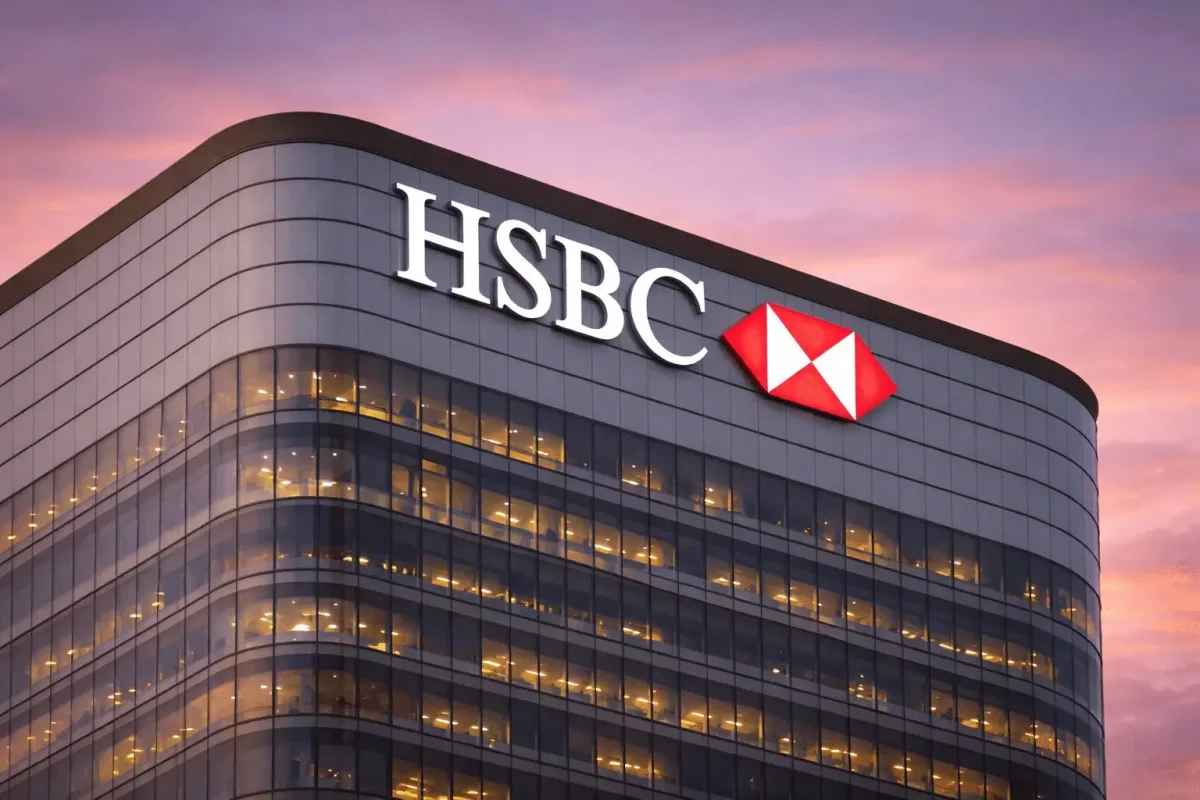
In a notable insider transaction, Surendra Rosha, the co-Chief Executive Officer for Asia and the Middle East at HSBC Holdings Plc, sold a substantial block of the bank's shares. A regulatory filing revealed that Rosha disposed of 308,400 ordinary shares on the Hong Kong Stock Exchange on March 3, 2026. The shares were sold at a price of HK$139.974 each, generating total proceeds of HK$43,167,981.60 (approximately US$5.5 million). The shares were held in a joint nominee account with his spouse, Batul Surendranath Rosha.
Market Context and Banking Sector Turbulence
The sale was disclosed during a week of pronounced instability for European financial institutions. Investor sentiment was rattled by escalating geopolitical tensions in the Middle East, which triggered a sharp spike in oil prices. Brent crude surged 7%, reaching its highest level in 19 months. This development stoked fears of resurgent inflation and potential complications for central bank interest rate policies.
"If these oil jumps are sustained then inflation spikes become a real possibility and the path for interest rates gets thrown into question," remarked Lindsay James, an investment strategist at Quilter. Reflecting this broader anxiety, HSBC's London-listed shares fell 5.2% on Tuesday. However, the sector showed resilience the following day, with HSBC, alongside peers Barclays and Standard Chartered, each climbing roughly 2% as markets stabilized.
Regulatory Disclosure and Executive Role
The transaction was reported under the UK's version of the EU Market Abuse Regulation (MAR), which mandates prompt disclosure of share dealings by Persons Discharging Managerial Responsibilities (PDMRs). This group includes top executives and their close associates, ensuring transparency for investors.
According to HSBC's corporate website, Surendra Rosha shares the regional co-CEO role with David Liao and holds a seat on the bank's Group Operating Committee. He is responsible for driving the group's strategic objectives across the Asia-Pacific region and its operations in the Middle East, North Africa, and Türkiye.
HSBC's Strategic Moves and Financial Performance
The insider sale follows HSBC's recent announcement of updated financial targets alongside its 2025 full-year results. The bank reported a 7% decline in pretax profit to $29.9 billion, impacted by $4.9 billion in one-off charges. Despite this, management expressed confidence by raising its key profitability metric, targeting a return on tangible equity of "17% or better" through 2028.
"We are becoming a simple, more agile, focused bank built for a fast-changing world," stated Group Chief Executive Georges Elhedery. Separately, HSBC disclosed a reduction in its stake in International Personal Finance Plc, a UK-listed lender. The bank's holding decreased to 8.083% from 9.99%. Of this total, 8.004% represents voting rights attached to shares, with an additional 0.079% held through a cash-settled equity swap.
Implications and Forward Outlook
Insider transactions often attract heightened scrutiny during periods of market volatility, as investors seek signals about executive confidence. The filings did not specify Rosha's reasons for the sale or the rationale behind reducing the stake in International Personal Finance. Such moves are routine for large financial institutions but are closely monitored by the market as indicators of risk appetite and strategic positioning.
The macro environment remains a critical variable for HSBC's stock performance. Sustained high energy prices due to ongoing conflict could renew concerns over inflation, the direction of interest rates, and borrower credit quality—challenges from which even robust banks are not insulated. Conversely, a rapid de-escalation of tensions could improve sentiment and propel the financial sector higher. Investors will continue to watch for further strategic updates and market developments from one of the world's largest banking institutions.