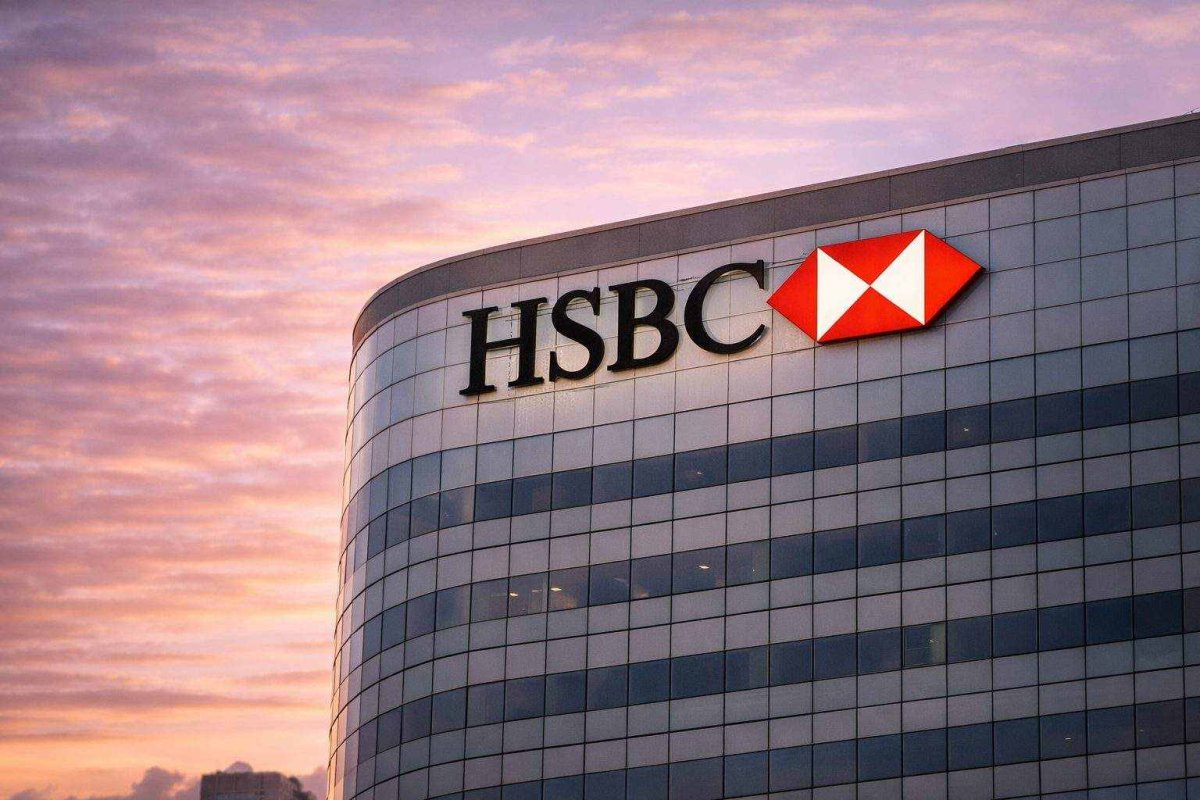
Shares of HSBC Holdings Plc fell sharply in London trading on Tuesday, deepening a recent decline as escalating conflict in the Middle East drove energy prices higher and complicated the monetary policy landscape. The banking heavyweight dropped 2.5% to 1,299 pence by mid-morning, following a close at 1,332 pence on Monday. The selloff was not isolated, with fellow UK lenders Barclays and Lloyds Banking Group also moving lower, indicating broad pressure on the financial sector.
Oil Shock Clouds Interest Rate Trajectory
The immediate catalyst for the banking sector weakness stems from a renewed surge in oil prices, fueled by ongoing geopolitical strife. While banks typically benefit from higher interest rates through improved net interest margins, a rate environment shaped by an external oil price shock introduces different risks. The primary concern is that elevated energy costs could reignite inflationary pressures, potentially forcing central banks to maintain a restrictive policy stance for longer than previously anticipated. This scenario threatens to dampen economic growth and strain household and business borrowers, ultimately impacting loan demand and credit quality.
Market sentiment has shifted noticeably. Traders have begun scaling back bets on an imminent interest rate cut from the Bank of England, initially expected by some as soon as March. The inflation outlook has become murkier, and comments from Bank of England official Alan Taylor underscored the uncertainty, noting it was too early to assess the conflict's full impact on the UK's sluggish economy.
Corporate Developments and Insider Sales
Amid the market volatility, HSBC announced a leadership transition at a key subsidiary. Dame Clara Furse, the current non-executive chair of HSBC UK Bank plc, will step down during the first half of 2026. She is slated to be succeeded by Dame Carolyn Fairbairn, subject to regulatory approvals. Group Chairman Brendan Nelson highlighted Fairbairn's "deep understanding of the UK business and regulatory landscape" as a significant asset for the bank.
In a separate regulatory filing, HSBC disclosed that two senior executives sold shares in late February. Group Chief Operating Officer Suzanna White disposed of 35,000 shares at a price of £13.766 each. Stuart Riley, the Group Chief Information Officer, sold 124,586 shares at £13.762 apiece. Such disclosures are standard for Persons Discharging Managerial Responsibilities (PDMR) but are often scrutinized by investors for signals about insider sentiment.
Financial Performance and Forward Guidance
HSBC's recent financial results, reported in late February, remain a focal point. The bank affirmed a raised profitability target, aiming for a return on tangible equity of at least 17% through 2028. However, its annual profit for 2025 dipped due to one-off charges. Chief Executive Georges Elhedery characterized the institution as "becoming a simple, more agile, focused bank," outlining its strategic direction.
The company has also filed its annual Form 20-F report with the U.S. Securities and Exchange Commission for the year ended December 31, 2025, making the document available on its investor relations website.
Key Dates for Investor Attention
Two imminent calendar events are critical for near-term market movements. First, HSBC shares will trade ex-dividend in London on March 12, with a record date of March 13 and payment scheduled for April 30. This event often leads to share price adjustments. Second, and of broader macroeconomic importance, the Bank of England's Monetary Policy Committee is set to announce its next interest rate decision on March 19. This meeting will be closely watched for any shift in tone regarding the interplay between geopolitical risks, inflation, and the rate path.
Market Context and Broader Implications
The downdraft in UK bank stocks contributed to a weaker overall equity market performance, which began on Monday. Analysts pointed to the oil price spike and a flight to safer assets as primary drivers. Dan Coatsworth, head of markets at AJ Bell, noted, "If the issues persist, then the market will start to worry about new inflationary pressures."
As a bellwether for European financials and a major component of the FTSE 100, HSBC's performance is a key gauge of risk appetite. The current environment underscores the sensitivity of banking stocks to shifts in growth and rate expectations. Investors are now monitoring headlines from the Middle East, crude oil futures, and UK government bond (gilt) yields for clues on whether expectations for the March 19 BOE meeting will pivot further. The persistence of high oil prices or a deepening of supply chain disruptions could cement fears of stickier inflation, delaying monetary easing and posing challenges for the banking sector's outlook.