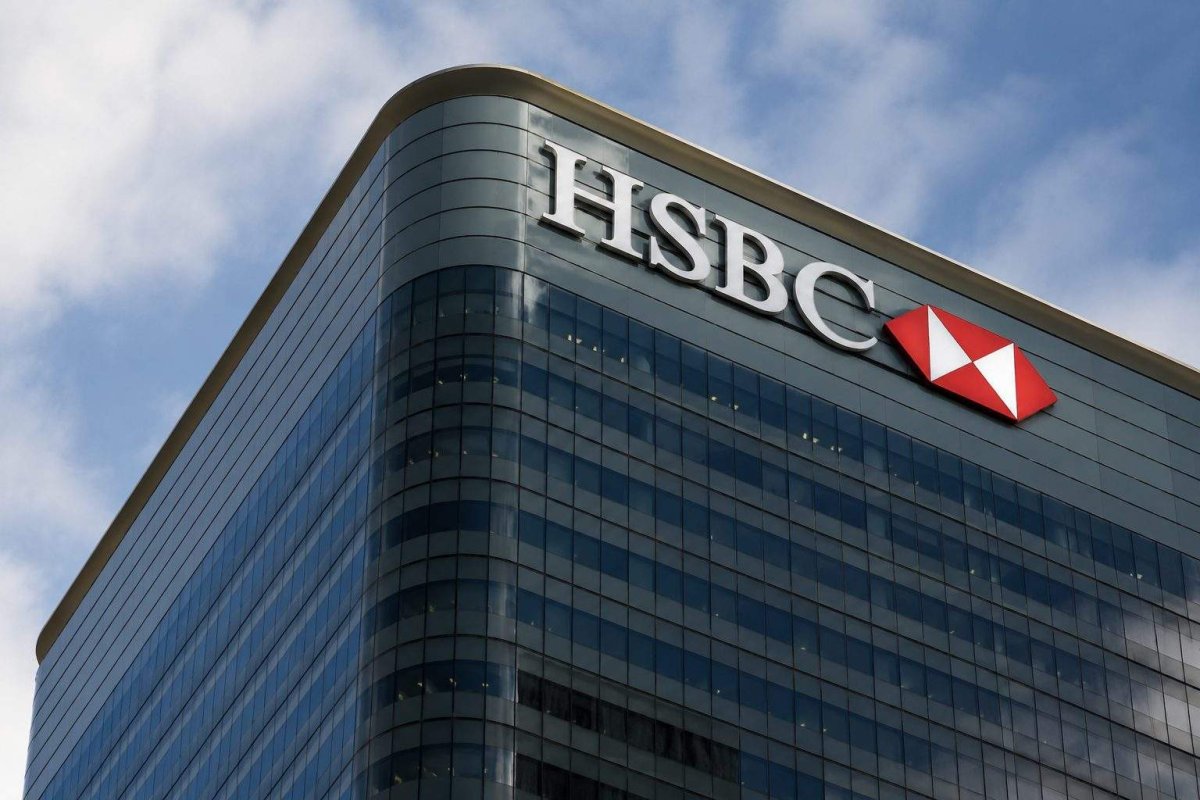
HSBC Holdings (LON: HSBA) has struck a deal to divest its Singapore insurance arm to Allianz (ETR: ALV) for S$2.7 billion, a transaction that values the subsidiary at approximately 22.9 times its projected 2025 pre-tax earnings. The sale, which includes a 15-year exclusive distribution agreement with Allianz, is a strategic move by the London-based lender to shed underwriting risk while retaining customer access to insurance products.
The announcement comes as HSBC prepares to report its second-quarter results on August 4, with investors keenly focused on the bank's capital position and the potential for a share buyback. The sale does not immediately resolve the buyback question, as the capital benefit—a gain of around US$1.8 billion—will only be recognized upon deal closure, expected in the first half of 2027.
Capital and Buyback Outlook
HSBC's common equity tier 1 (CET1) ratio stood at 14.0% in the first quarter. Preliminary consensus estimates for the second quarter place CET1 at 14.2%, within the bank's target range of 14% to 14.5%. HSBC has stated that buybacks will not resume until CET1 reaches this band, and a 14.2% reading would likely strengthen the case for a capital return. However, if the ratio falls below 14%, the buyback would be postponed regardless of the Singapore deal.
Analysts project that HSBC's basic share count will decline by 1.3% from 17.17 billion in the second quarter to 16.95 billion by 2026, equating to approximately £3.4 billion in share repurchases at Friday's closing price of 1,552.8 pence. This figure is based on analyst expectations and does not represent official company guidance.
Transaction Details and Implications
The sale price of S$2.7 billion represents a multiple of 22.9 times HSBC Life Singapore's 2025 pre-tax profit of S$118 million. In addition to the base consideration, Allianz will pay S$200 million for the 15-year exclusive distribution rights, which HSBC will recognize gradually over the contract period. The bank will also receive variable performance-based payments.
HSBC anticipates recording the majority of the US$1.8 billion accounting gain as a significant notable item upon completion, which will not be included in the regular dividend payout calculation. The deal is subject to approval from the Monetary Authority of Singapore, and completion could be delayed beyond the first half of 2027.
Ralph Chen, senior analyst at S&P Global Market Intelligence (NYSE: SPGI), noted that the sale is "expected to enhance the capital positions of the bank with a higher CET1 ratio," and that the extra capital could fund buybacks, a special dividend, or expansion.
Market Reaction and Upcoming Results
HSBC shares rose 4.1% over the past week, closing at 1,552.8p on Friday after a 1.7% gain that outperformed the FTSE 100, which added 0.9% for its second consecutive weekly advance. The stock's recent strength reflects optimism around the bank's capital management and the Singapore divestiture.
Investors will closely watch HSBC's second-quarter results on August 4 for CET1, any buyback announcement, banking net interest income, and credit expenses. The preliminary consensus estimates pretax profit at US$9.508 billion and revenue at US$18.570 billion for the quarter.
HSBC acquired AXA's Singapore business for US$529 million in 2022, and the current sale involves a larger, more comprehensive local insurance unit, meaning it does not represent a simple fourfold profit. The bank's departure from Singapore insurance underwriting, while retaining the customer interface, positions it to focus on core banking operations and capital efficiency.