Indian equity markets experienced a severe sell-off at the opening bell on Monday, March 30, 2026, as escalating geopolitical conflict and soaring energy prices rattled investor confidence. The benchmark BSE Sensex plunged more than 1,000 points at the open, before paring some losses to trade down approximately 575 points by mid-morning. The broader Nifty 50 index declined 1.18% to 22,549 points, reflecting widespread panic across sectors.
Geopolitical Tensions Fuel Risk-Off Sentiment
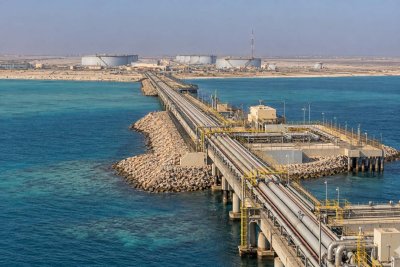
The primary catalyst for the market downturn is the intensifying conflict in West Asia, now in its fifth week. This has triggered a global shift away from risk assets, with investors seeking safety. The hostilities have specifically disrupted energy infrastructure and transit through the critical Strait of Hormuz, raising immediate concerns about sustained oil supply shortages.
Crude Oil Surge Stokes Macroeconomic Fears
Brent crude oil prices surged to approximately $116 per barrel, with gains for March nearing a historic 59%. This sharp increase, reminiscent of levels seen during the 1990 Gulf crisis, has profound implications for India, a major oil importer. Analysts warn that sustained high energy costs will fuel inflationary pressures, worsen the country's trade deficit, and potentially lower GDP growth prospects.
Dr. VK Vijayakumar of Geojit Investments noted a significant shift in India's economic narrative, moving from a phase of strong growth and manageable inflation to a scenario characterized by potentially lower growth, higher inflation, and wider fiscal deficits. The Reserve Bank of India is now under increased pressure to consider interest rate hikes to combat imported inflation, a move that could further dampen economic activity.
Foreign Capital Flight and Currency Pressure
The sell-off has been exacerbated by a massive exodus of foreign institutional investor (FII) capital. Foreign investors dumped nearly $12 billion worth of Indian equities this month alone, intensifying the downward pressure. This capital flight has also severely impacted the Indian rupee, which weakened sharply against the US dollar, with the USD/INR pair hitting 94.90.
While the Reserve Bank of India may intervene to support the rupee in the near term, the combined pressures of a strong dollar, high oil import bills, and equity outflows present a significant challenge for currency stability.
Broader Market and Sectoral Impact
The correction was broad-based, with the Nifty 50 index falling over 13% from its peak earlier in the year to 22,820, officially entering correction territory. Sectoral indices for automobiles, information technology, media, and oil & gas all witnessed heavy selling. Notably, many key Nifty constituents, especially IT majors like Wipro and Infosys, have declined over 20% from recent highs.
From a technical perspective, the Nifty 50 is showing a bearish double-top pattern and has fallen below key moving averages, signaling the potential for further downside in the sessions ahead.
Other Market Developments
In other news, shares of Central Mine Planning & Design Institute Ltd. debuted weakly, listing at a roughly 7% discount to their IPO price of Rs 172 on the National Stock Exchange. Separately, a U.S. District Court dismissed most securities class action claims against artificial intelligence firm C3.ai, though some IPO-related claims remain. C3.ai shares traded at $7.76, significantly below analyst targets, reflecting a pressured year-long performance.
Asian markets mirrored the negative sentiment, with Japan's Nikkei falling 3.4% and South Korea's key index down 3%. Investors globally are bracing for prolonged instability, which threatens to increase inflation and recession risks worldwide. Market attention is now shifting to upcoming U.S. employment data and commentary from Federal Reserve Chair Jerome Powell for further direction on global monetary policy.
Trading activity is expected to be subdued later in the week, with Indian markets closed on Tuesday, March 31, for the Mahavir Jayanti holiday, and again on Friday, April 3, for Good Friday.