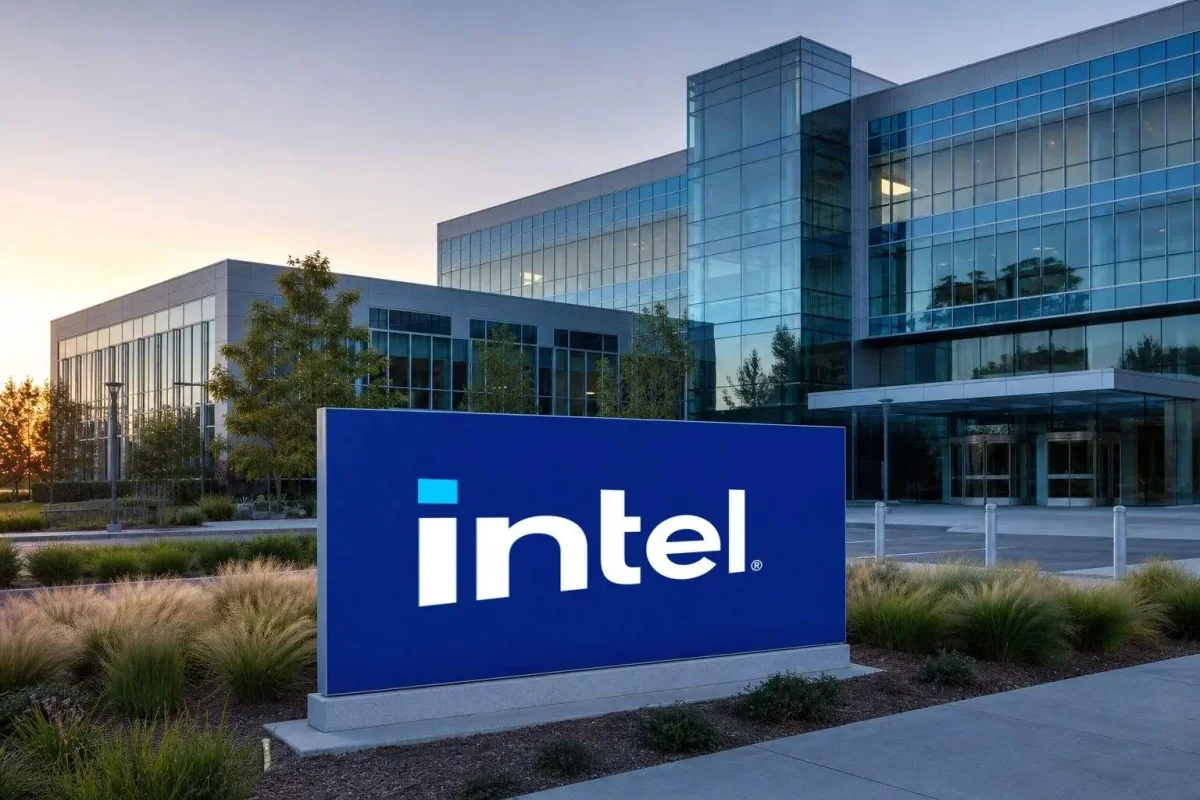
Intel Corporation (NASDAQ: INTC) saw its shares decline 1.4% in premarket trading on Wednesday, leaving the stock 7.6% below the $95 per share offering price from its recent capital raise. As of 06:36 EDT, shares were trading at $87.74, down from Tuesday's closing level of $88.97.
The persistent discount to the offering price reflects investor skepticism about Intel's ambitious foundry strategy, which requires substantial capital investment. The company's recent $20 billion share sale, increased from an initial $15 billion target, has added to the supply of shares and weighed on the stock.
Market Context and Sector Pressure
The decline comes amid a broader selloff in technology stocks, with the Nasdaq Composite falling 1.03% on Tuesday. Rising bond yields, with the 10-year Treasury touching 4.79%, have pressured high-valuation growth stocks, particularly semiconductor companies that rely on future earnings expectations.
Intel's chip peers also faced losses: Nvidia (NVDA) fell 1.51%, Advanced Micro Devices (AMD) dropped 2.36%, and Broadcom (AVGO) edged down 0.18%.
Foundry Progress and Financials
Despite the market pressure, Intel reported operational improvements in its second-quarter results. Revenue increased 25% year-over-year to $16.1 billion, and gross margin improved by 12.9 percentage points to 40.4%. The company forecast third-quarter revenue in the range of $15.8 billion to $16.8 billion.
Intel Foundry, the company's manufacturing arm, reduced its operating loss by 34% to $2.09 billion, down from $3.17 billion in the prior year. Meanwhile, Intel Products posted operating income of $4.82 billion, up 79.3% year-over-year, helping to fund the foundry's losses.
Capital Raise and Liquidity
The August share offering raised approximately $19.7 billion net of expenses, which Intel plans to use for capital investments and general corporate purposes. The fresh capital represents 66% of Intel's cash and short-term investments as of June, bringing pro forma liquidity to about $49.4 billion.
Chief Financial Officer Dave Zinsner noted the company was "meaningfully increasing" spending on equipment, clean rooms, and substrates, driven by growing demand for AI. The funding comes at a time when Intel's adjusted free cash flow was negative $8.4 billion in the second quarter, partly due to $12.2 billion in net outflows from partner contributions.
Investor Sentiment and Risks
The gap between the offering price and current market value means the issued block is now worth approximately $1.53 billion less on paper. While this does not affect Intel's proceeds, it signals waning investor enthusiasm for the foundry gamble.
Risks remain, including the potential for continued foundry losses and uncertainty about new design wins. The underwriters have an option to purchase an additional 31.6 million shares, which could add further supply. A decline in bond yields or a surge in AI demand could help counter the premarket slide.
Investors will be watching third-quarter margins closely, as the increased share count raises the bar for earnings generation. The $95 threshold serves as a clear indicator of market sentiment toward Intel's strategy.