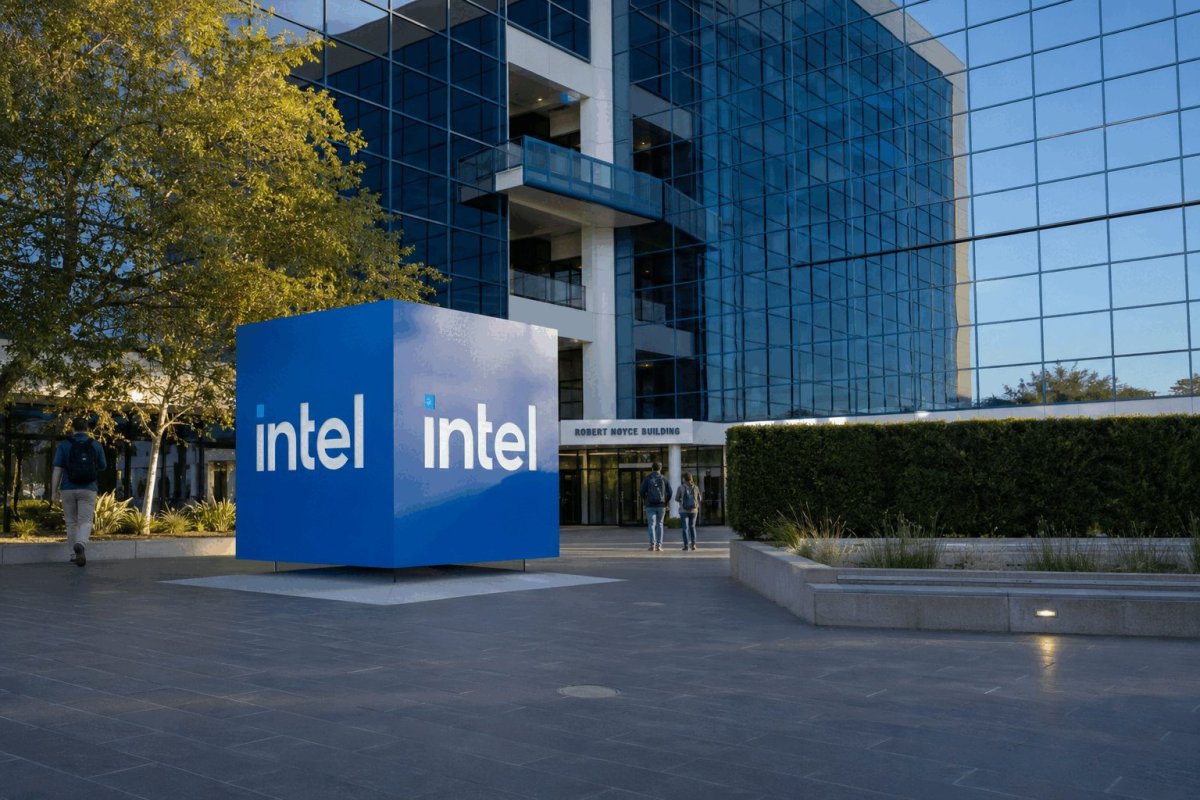
Intel Corporation (NASDAQ: INTC) experienced a notable decline on Friday, with shares falling 2.8% to close at $89.47. This drop pushed the stock below the $95 per-share price of its recent equity offering, marking an early test for the company's ambitious $20 billion foundry expansion strategy. The session's trading volume reached 85.9 million shares, reflecting heightened investor activity.
The decline erased approximately $13.3 billion from Intel's market capitalization, bringing its total market value to around $456.7 billion. This movement is part of a broader sell-off in semiconductor stocks, as investors reassess exposure to AI-related chipmakers. Notably, Marvell Technology (MRVL) plummeted 10.39% amid concerns over its financial ties to Google's custom chip projects, while Nvidia (NVDA) fell 4.59% and AMD (AMD) slipped 2.34%.
The Billion Gamble
Intel's capital raise, which was upsized from an initial $15 billion plan, generated gross proceeds of $20 billion. The funds are earmarked to support the company's foundry business, which requires approximately $20 billion in capital expenditures for 2026. This substantial investment aims to establish Intel as a major player in the contract chip manufacturing market, with high-volume production using the advanced 14A process targeted for 2028.
Chief Executive Lip-Bu Tan has demonstrated personal commitment to the strategy by purchasing 105,263 shares at the $95 offering price this month, a transaction totaling roughly $10 million. While this aligns management's interests with the financing effort, it does not guarantee the stock's performance at that level.
Market Reaction and Analyst Sentiment
The stock's close at 5.8% below the offering price suggests that new investors who participated in the capital raise are currently facing paper losses. This situation underscores the risks inherent in large-scale capital-intensive ventures, particularly in the cyclical semiconductor industry.
Wall Street remains cautious about Intel's prospects. Among 31 analysts surveyed, only five rate the stock as a Buy, while 24 assign a Hold and two recommend Sell. The average price target stands at $116.84, implying a 31% upside from Friday's closing price, but the overall sentiment reflects skepticism about the near-term returns on the foundry investment.
Implications for Shareholders
The dilution effect is a key concern. The issuance of approximately 210.5 million new shares expands the shareholder base, meaning any future recovery in the foundry business will be spread across more shares. While the capital infusion eases immediate financing pressures, it also raises the bar for the turnaround to generate meaningful per-share value.
Intel's foundry initiatives have already yielded tangible results, including the construction of Fab 52 in Arizona, part of a broader commitment exceeding $100 billion for U.S. manufacturing expansion. However, the success of these investments hinges on securing large-scale clients for the 14A process and achieving competitive yields.
Broader Market Context
Friday's session highlighted the volatility in the tech sector, with the Invesco QQQ Trust (QQQ) and other tech-heavy ETFs experiencing declines. The sell-off was driven by profit-taking and concerns about stretched valuations in AI-related names. Intel's relatively smaller decline compared to peers like Marvell and Nvidia suggests some investors view its current valuation as more grounded, yet the stock's slide below the offering price signals unease about the execution risks ahead.
Looking forward, Intel's ability to secure a marquee customer for its foundry services will be a critical catalyst. A confirmed large order could validate the investment thesis and boost utilization rates, while setbacks, softer chip demand, or further dilution would increase the cost of the turnaround.
Investors will be watching upcoming earnings reports and any announcements regarding foundry partnerships for signs of progress. The next few quarters will be pivotal in determining whether Intel's bold bet on manufacturing leadership can deliver the returns its management promises.